Logo200.png)
How to Manage PPE for Temporary or Seasonal Workers
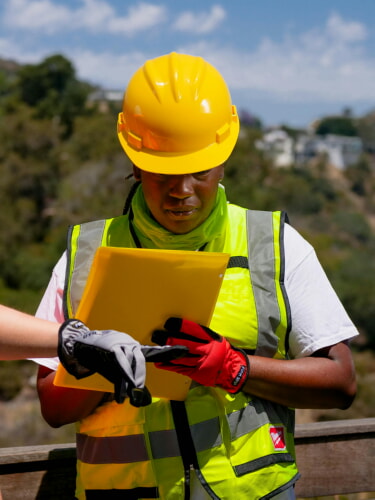
How to Manage PPE for Temporary or Seasonal Workers
Temporary and seasonal workers are essential during peak construction, agricultural, industrial, and warehouse seasons. However, onboarding large numbers of short-term employees introduces unique safety challenges especially when it comes to personal protective equipment (PPE). New hires may be unfamiliar with hazards, unsure about proper fit, or unaware of company PPE expectations. Managing PPE for temporary or seasonal workers requires clear processes, consistent training, proper documentation, and accessible equipment. A structured PPE management system ensures every worker regardless of tenure receives adequate protection and support.
The Ultimate Guide to Summer Eye Protection

The Ultimate Guide to Summer Eye Protection
Summer introduces a unique combination of eye hazards across construction, landscaping, roadwork, utilities, warehousing, and industrial operations. Bright sunlight, increased UV exposure, airborne dust, wind, sweat, and heat all contribute to heightened eye injury risks. While safety glasses are often required year-round, summer conditions demand additional attention to lens type, coatings, fit, and ventilation. The right eye protection not only prevents injuries but also improves visibility, comfort, and compliance. Understanding what to look for in summer eye protection helps employers protect their teams while maintaining productivity during the hottest months of the year.
Why FR Workwear Isn’t Just for Welders Anymore
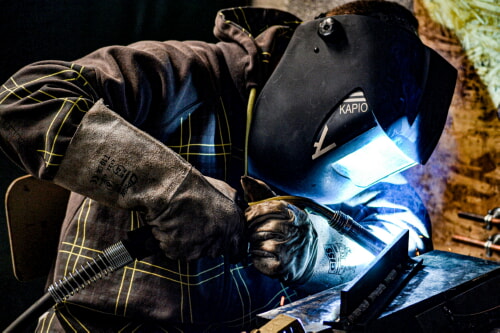
Why FR Workwear Isn’t Just for Welders Anymore
For decades, flame-resistant (FR) workwear was most commonly associated with welding operations. Sparks, molten metal, and open flames made FR protection an obvious necessity in fabrication shops and heavy industrial settings. Today, however, workplace hazards have evolved and so has the need for flame-resistant apparel. Electrical arc flash events, flash fires, combustible dust incidents, and industrial energy exposures have expanded the range of industries requiring FR clothing. Modern FR workwear is no longer limited to welders; it has become a critical component of safety programs across utilities, oil and gas, manufacturing, maintenance, and construction sectors.
How to Stay Hydrated and Safe on the Job Site
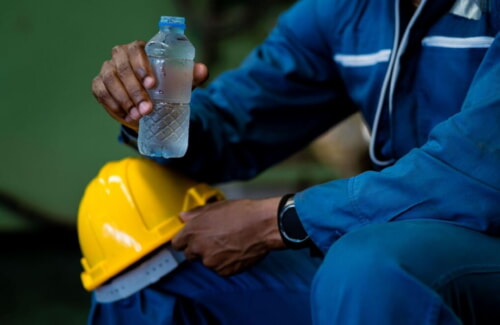
How to Stay Hydrated and Safe on the Job Site
Hydration is one of the simplest and most powerful safety practices on any job site—yet it is often overlooked until temperatures rise or symptoms appear. Whether crews are working in construction, utilities, landscaping, roadwork, manufacturing, or industrial maintenance, physical exertion combined with heat can quickly lead to dehydration and heat-related illness. Staying properly hydrated improves focus, reduces fatigue, supports temperature regulation, and lowers injury risk. Developing a proactive hydration strategy protects workers, maintains productivity, and reinforces a culture of safety during both moderate and extreme weather conditions.
What to Look for in Impact-Resistant Gloves

What to Look for in Impact-Resistant Gloves
Hand injuries remain one of the most common workplace incidents across construction, oil and gas, utilities, manufacturing, and heavy industrial operations. Among these injuries, impact and crush-related incidents can cause severe damage often affecting knuckles, fingers, and the back of the hand. Impact-resistant gloves are specifically engineered to reduce the severity of these injuries, but not all gloves provide the same level of protection. Understanding what to look for in impact-resistant gloves helps safety managers and workers select options that deliver real-world performance without sacrificing dexterity or comfort.
