Logo200.png)
Beating the Heat: How Cooling PPE Can Prevent Fatigue

Beating the Heat: How Cooling PPE Can Prevent Fatigue
Fatigue is one of the most underestimated hazards on hot jobsites. While heat illness receives significant attention, heat-related fatigue often develops quietly reducing concentration, slowing reaction time, and increasing the likelihood of errors and injuries. In construction, utilities, manufacturing, landscaping, and industrial maintenance, prolonged exposure to heat places enormous strain on the body. Cooling personal protective equipment (PPE) plays a critical role in managing body temperature, supporting hydration efforts, and preventing the physical exhaustion that leads to accidents. Understanding how cooling PPE works and how to use it effectively—can dramatically improve worker safety and performance during hot conditions.
How to Prevent Rust and Corrosion in Humid Climates

How to Prevent Rust and Corrosion in Humid Climates
High humidity is one of the most damaging environmental factors for tools, equipment, and metal components. Whether crews are working in coastal regions, industrial facilities, or non-climate-controlled storage areas, moisture in the air accelerates rust and corrosion often without obvious warning signs. Corroded tools are not just a maintenance issue; they create safety risks, reduce performance, and increase replacement costs. Understanding how rust forms and implementing practical prevention strategies helps extend equipment life, protect workers, and keep operations running smoothly in humid climates.
How to Identify Quality in Professional-Grade Tools

How to Identify Quality in Professional-Grade Tools
Not all tools are created equal, and the difference between consumer-grade and professional-grade tools becomes obvious once they’re put to work in demanding environments. For contractors, technicians, maintenance crews, and industrial workers, tool quality directly impacts productivity, safety, and long-term costs. A tool that looks solid on the shelf may fail prematurely under real-world conditions, while a true professional-grade tool is designed to withstand repeated use, heavy loads, and harsh environments. Knowing how to identify quality in professional-grade tools helps buyers make smarter investments and avoid downtime caused by tool failure.
How to Maintain Electrical Tools in Hot, Dusty Environments

How to Maintain Electrical Tools in Hot, Dusty Environments
Electrical tools are essential on construction sites, in industrial facilities, and across maintenance operations but hot, dusty environments can dramatically shorten their lifespan and increase safety risks if they are not properly maintained. Excessive heat stresses internal components, while dust infiltrates motors, vents, and electrical connections, leading to overheating, reduced performance, and unexpected failures. Proper maintenance practices help ensure electrical tools remain safe, reliable, and compliant even in the harshest conditions. Understanding how heat and dust affect tools and how to counter those effects is critical for both productivity and worker protection.
How to Train New Workers on PPE Safety During Busy Season
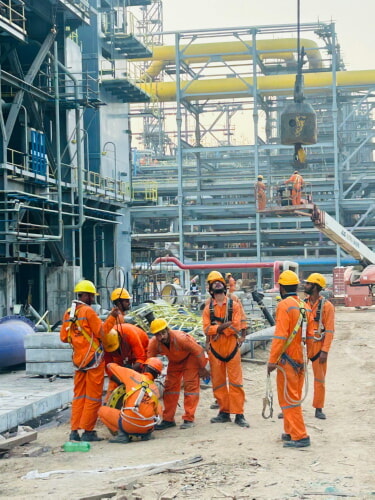
How to Train New Workers on PPE Safety During Busy Season
Busy season often brings an influx of new workers just as workloads, schedules, and jobsite pressure increase. While production demands rise, safety expectations cannot slip especially when it comes to personal protective equipment (PPE). New workers are statistically more likely to be injured, often due to unfamiliarity with hazards, improper PPE use, or lack of hands-on training. Developing a structured, efficient approach to PPE safety training helps employers protect workers, maintain compliance, and avoid costly incidents during peak operations.
