Logo200.png)
Precision vs. Power: When to Choose Manual Over Power Tools
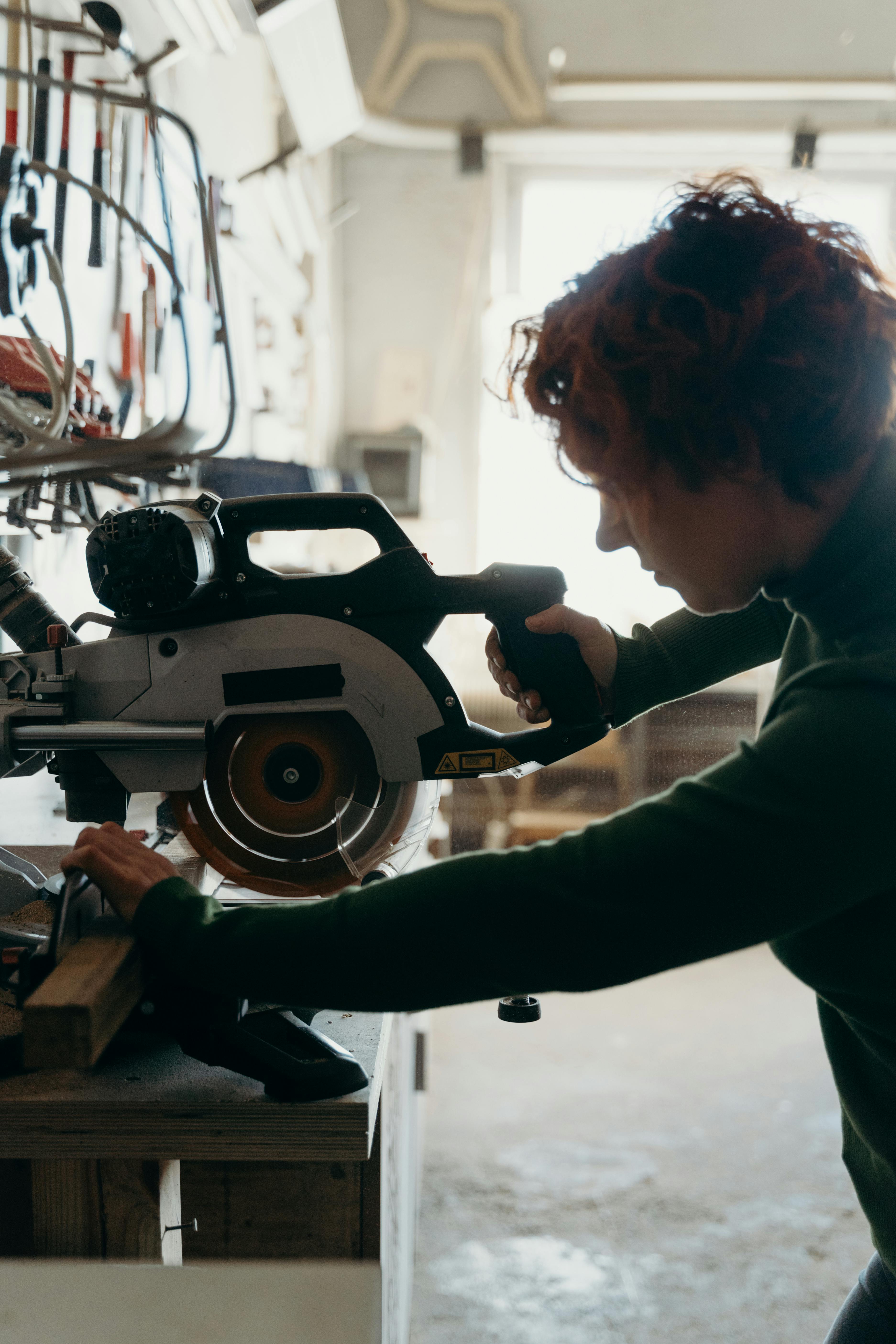
Power tools have transformed modern workplaces by increasing productivity, reducing manual effort, and enabling faster project completion. From construction sites to automotive repair shops, power tools are often the first choice for heavy-duty work. However, manual hand tools still play a critical role in many professional environments. In situations requiring precision, delicate adjustments, or controlled torque, manual tools may actually outperform powered alternatives. Understanding when to use manual tools versus power tools helps technicians maintain accuracy, protect equipment, and ensure safer working conditions.
1. When Precision Matters Most
Manual tools provide greater tactile feedback, allowing workers to feel resistance and adjust pressure more accurately.
- Delicate Assemblies: Small mechanical components can be damaged by high-speed power tools.
- Precision Adjustments: Manual screwdrivers and wrenches provide better control for fine adjustments.
- Sensitive Materials: Plastic, aluminum, or thin metals require careful torque application.
In many cases, manual tools help technicians avoid over-tightening or damaging sensitive components.
2. Avoiding Over-Torque and Fastener Damage
Power tools can apply force quickly, sometimes exceeding the required torque before the operator realizes it.
- Stripped Threads: Excess torque can destroy threaded connections.
- Broken Fasteners: High-speed impact tools may snap bolts or screws.
- Component Distortion: Excess pressure may warp housings or mechanical parts.
Manual tools allow technicians to apply controlled force and stop immediately when proper tightness is achieved.
3. Working in Tight or Confined Spaces
Many work environments contain areas where power tools simply cannot fit.
- Compact Spaces: Hand tools can access narrow areas inside machinery or equipment.
- Improved Maneuverability: Manual tools require less clearance to operate.
- Reduced Risk of Collateral Damage: Smaller tools reduce the chance of hitting nearby components.
Technicians frequently rely on hand tools for maintenance tasks inside engines, control panels, or equipment housings.
4. Enhancing Safety in Certain Situations
Manual tools can sometimes provide safer alternatives when power tools create additional risks.
- Electrical Work: Insulated manual tools help prevent electrical hazards.
- Spark Prevention: In hazardous environments, non-powered tools may reduce ignition risks.
- Noise Reduction: Hand tools eliminate noise exposure from powered equipment.
Safety considerations often influence whether manual or power tools are the better option.
5. Control During Finishing Work
Power tools often perform the bulk of heavy work, but manual tools are commonly used during final assembly.
- Final Torque Application: Many professionals finish tightening with manual tools.
- Surface Finishing: Manual tools allow more careful adjustments.
- Quality Assurance: Controlled tightening ensures consistent assembly results.
Combining both tool types allows workers to balance speed with accuracy.
Bonus Tip:
Many professionals use power tools to loosen or pre-tighten fasteners and then switch to manual torque tools to complete precision tightening.
Conclusion
Both manual and power tools play essential roles in modern workplaces. While power tools excel at speed and efficiency, manual tools provide unmatched control, precision, and safety in many situations. Technicians who understand when to rely on manual tools can prevent equipment damage, improve accuracy, and maintain safer working conditions. By combining the strengths of both tool types, professionals can achieve the best results for each task.
Explore precision and power tools at Abolox and equip your team with reliable tools built for precision and durability.
Supporting Articles & References
Guidelines for Selecting Hand and Power Tools - EHS
This article compares manual hand tools and power tools, explaining when manual tools offer better precision, control, and safety for certain tasks.
Tagged Products