Logo200.png)
The Complete Guide to Tool Inspection and Certification

The Complete Guide to Tool Inspection and Certification
Tools are essential for completing work safely and efficiently across industries such as construction, manufacturing, maintenance, utilities, and automotive service. However, even the highest-quality tools can become hazardous if they are damaged, improperly maintained, or used beyond their service life. Tool inspection and certification programs are designed to ensure that equipment remains safe, functional, and compliant with industry standards. Regular inspection helps identify potential issues before they cause accidents, equipment failures, or costly downtime. By implementing structured inspection and certification procedures, organizations can significantly improve workplace safety and operational reliability.
1. Why Tool Inspection Is Essential
Precision vs. Power: When to Choose Manual Over Power Tools

Precision vs. Power: When to Choose Manual Over Power Tools
Power tools have transformed modern workplaces by increasing productivity, reducing manual effort, and enabling faster project completion. From construction sites to automotive repair shops, power tools are often the first choice for heavy-duty work. However, manual hand tools still play a critical role in many professional environments. In situations requiring precision, delicate adjustments, or controlled torque, manual tools may actually outperform powered alternatives. Understanding when to use manual tools versus power tools helps technicians maintain accuracy, protect equipment, and ensure safer working conditions.
Fire Safety Month Prep: Key PPE and Training Tips
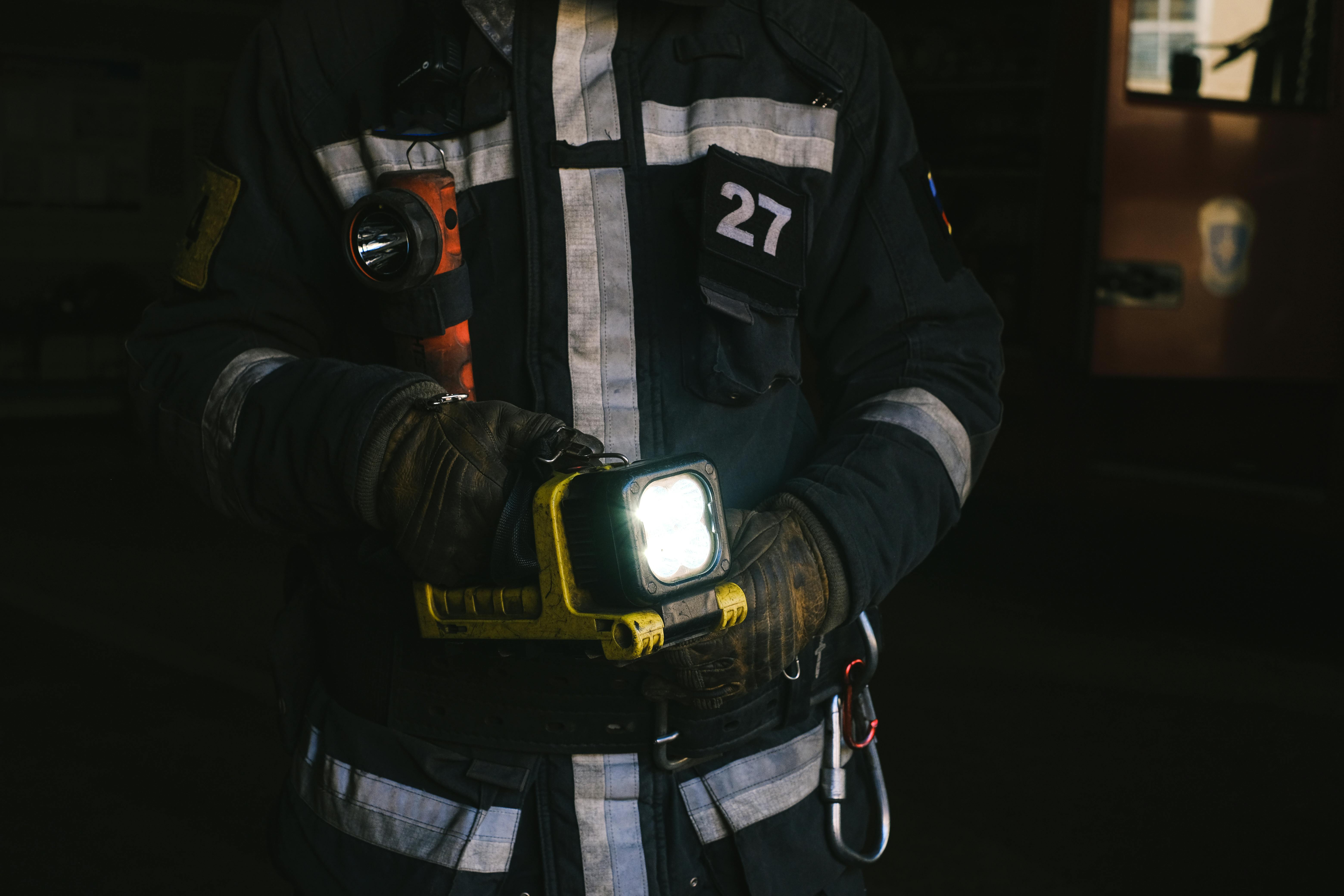
Fire Safety Month Prep: Key PPE and Training Tips
Fire Safety Month provides organizations with an opportunity to review fire prevention strategies, evaluate emergency preparedness, and reinforce workplace safety practices. Fires can occur in nearly any environment—from manufacturing facilities and warehouses to offices and construction sites. Electrical malfunctions, combustible materials, improper storage, and human error are among the most common causes of workplace fires. By combining proper personal protective equipment (PPE) with effective training programs, employers can significantly reduce the risk of fire-related incidents while ensuring workers are prepared to respond safely if an emergency occurs.
How to Track PPE Usage and Reduce Waste

How to Track PPE Usage and Reduce Waste
Personal Protective Equipment (PPE) is essential for protecting workers from workplace hazards, but without proper tracking systems, organizations often struggle with excessive waste, inventory shortages, and inconsistent compliance. Gloves, safety glasses, hard hats, and other protective gear are frequently replaced due to loss, improper use, or poor inventory management. Over time, these inefficiencies increase operational costs and create potential safety risks when critical equipment is unavailable. Implementing a structured system to track PPE usage helps organizations maintain proper supply levels, encourage accountability, and ensure workers always have access to the protection they need.
The Best Practices for Handling Heavy Tools Safely

The Best Practices for Handling Heavy Tools Safely
Heavy tools are essential in many industries including construction, mechanical repair, fabrication, maintenance, and industrial operations. Tools such as large wrenches, power drills, jackhammers, grinders, and torque tools help workers perform demanding tasks efficiently. However, their weight and power also create potential safety hazards. Improper handling of heavy tools can lead to muscle strains, back injuries, dropped equipment, crushed fingers, and other serious workplace incidents. By following proper handling techniques and safety procedures, workers can significantly reduce injury risks while maintaining productivity.
