Logo200.png)
How to Track PPE Usage and Reduce Waste

How to Track PPE Usage and Reduce Waste
Personal Protective Equipment (PPE) is essential for protecting workers from workplace hazards, but without proper tracking systems, organizations often struggle with excessive waste, inventory shortages, and inconsistent compliance. Gloves, safety glasses, hard hats, and other protective gear are frequently replaced due to loss, improper use, or poor inventory management. Over time, these inefficiencies increase operational costs and create potential safety risks when critical equipment is unavailable. Implementing a structured system to track PPE usage helps organizations maintain proper supply levels, encourage accountability, and ensure workers always have access to the protection they need.
The Best Practices for Handling Heavy Tools Safely

The Best Practices for Handling Heavy Tools Safely
Heavy tools are essential in many industries including construction, mechanical repair, fabrication, maintenance, and industrial operations. Tools such as large wrenches, power drills, jackhammers, grinders, and torque tools help workers perform demanding tasks efficiently. However, their weight and power also create potential safety hazards. Improper handling of heavy tools can lead to muscle strains, back injuries, dropped equipment, crushed fingers, and other serious workplace incidents. By following proper handling techniques and safety procedures, workers can significantly reduce injury risks while maintaining productivity.
Protecting Hands from Oils and Solvents in Industrial Work

Protecting Hands from Oils and Solvents in Industrial Work
Industrial workplaces frequently involve exposure to oils, solvents, lubricants, degreasers, and other chemical substances that can damage skin and cause long-term health problems. Workers in manufacturing, automotive repair, chemical processing, maintenance, and equipment servicing regularly handle materials that may contain corrosive or toxic components. Without proper protection, repeated exposure can lead to skin irritation, chemical burns, dermatitis, and absorption of harmful substances into the body. Implementing the right hand protection strategies helps reduce these risks and ensures workers remain safe and productive.
The Importance of PPE Compliance Training for Supervisors
Preparing Tools for Cold Weather Storage
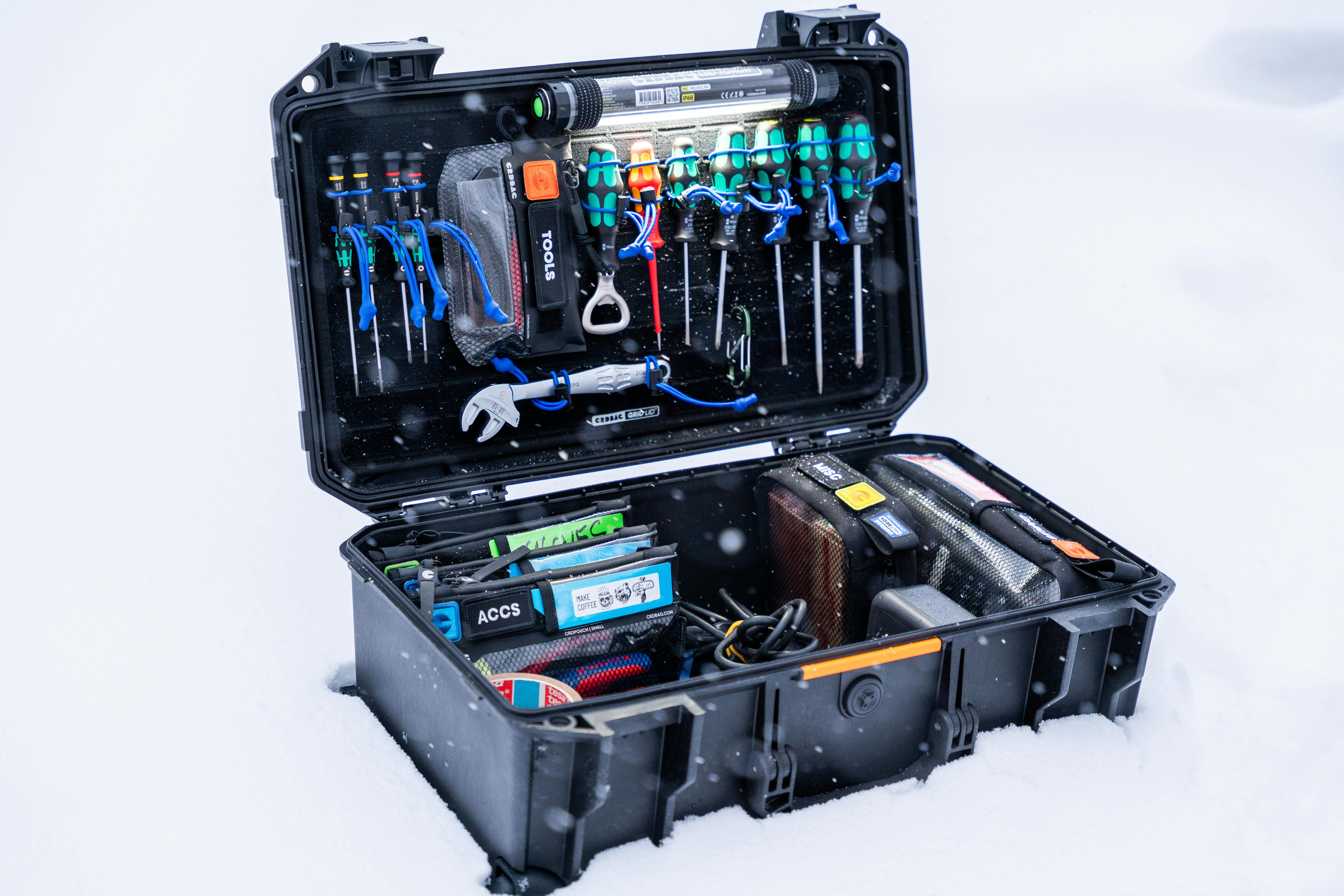
Preparing Tools for Cold Weather Storage
Cold weather can be tough on tools. As temperatures drop and humidity fluctuates, metal components can corrode, batteries lose capacity, lubricants thicken, and moisture can lead to rust and mechanical damage. For professionals working in construction, automotive service, maintenance, or industrial environments, properly preparing tools for cold weather storage is an essential part of equipment maintenance. Taking the time to clean, protect, and organize tools before winter conditions set in helps extend tool life, prevent costly repairs, and ensure equipment is ready for use when work resumes in the spring.
