Logo200.png)
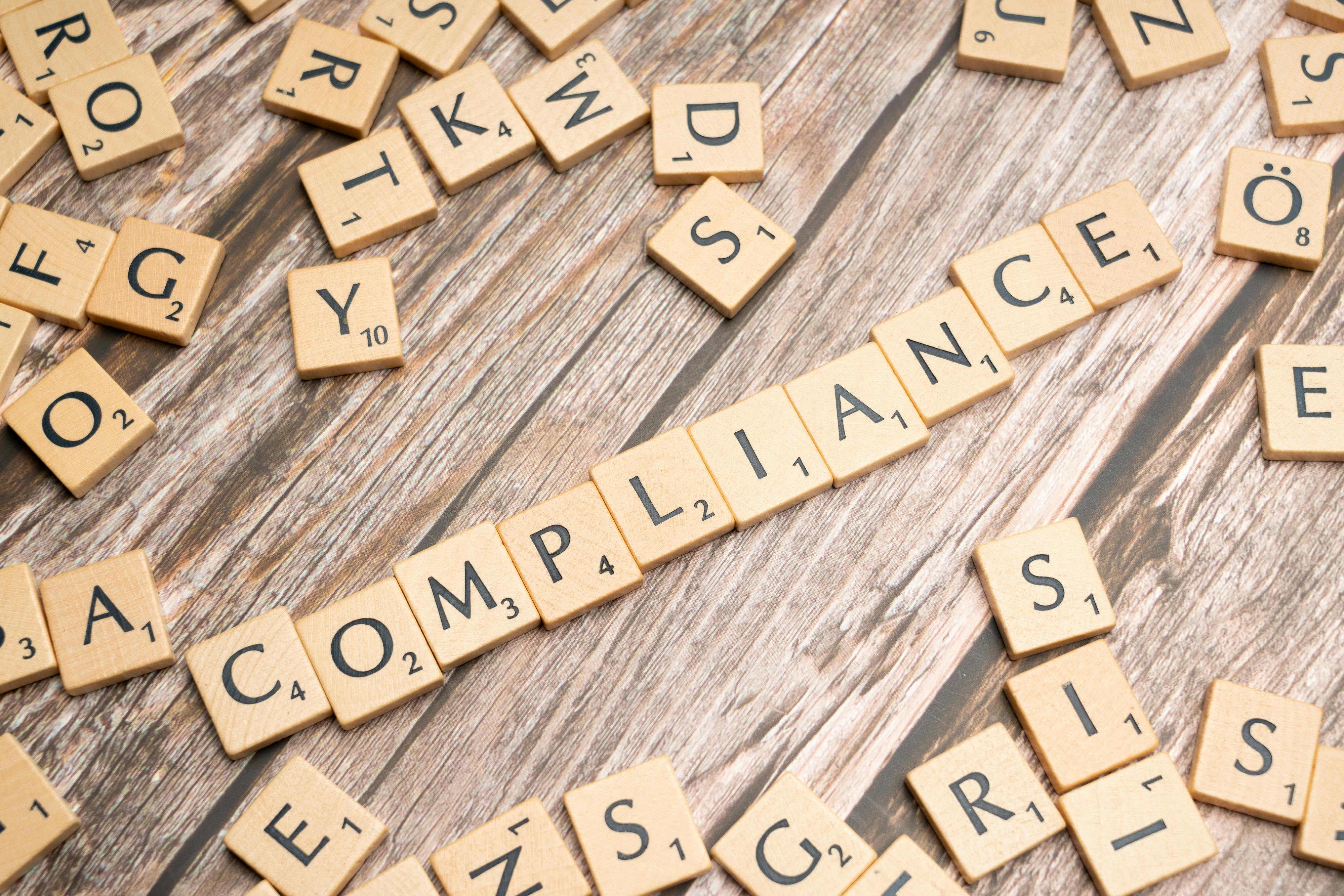
The Importance of PPE Compliance Training for Supervisors
Personal Protective Equipment (PPE) is often considered the last line of defense against workplace hazards. From construction sites and warehouses to manufacturing plants and utility operations, PPE helps protect workers from injuries caused by falling objects, chemical exposure, sharp materials, electrical hazards, and more. However, simply providing PPE is not enough. Proper training and enforcement are essential to ensure that equipment is used correctly and consistently. Supervisors play a critical role in maintaining PPE compliance because they are responsible for setting expectations, monitoring workers, and reinforcing safe practices across the team.
1. Supervisors Set the Standard for Safety
Supervisors are often the most influential figures when it comes to safety behavior on a jobsite. Workers tend to follow the example set by their leaders.
- Leading by Example: When supervisors consistently wear PPE, employees are more likely to follow suit.
- Reinforcing Safety Culture: Visible commitment to safety helps create an environment where compliance becomes the norm.
- Immediate Intervention: Supervisors can quickly correct unsafe practices before incidents occur.
When supervisors actively demonstrate proper PPE use, they reinforce safety expectations throughout the workforce.
2. Understanding Regulatory Requirements
Supervisors must understand workplace safety regulations related to PPE to ensure compliance with industry standards and government requirements.
- OSHA Requirements: Employers must assess hazards and provide appropriate PPE for workers.
- Training Obligations: Workers must be trained on how to properly use and maintain PPE.
- Documentation: Training records and compliance logs help demonstrate regulatory adherence.
Without adequate training, supervisors may struggle to enforce PPE requirements or identify when equipment is being used improperly.
3. Hazard Recognition and PPE Selection
Effective PPE compliance starts with identifying workplace hazards and selecting the correct equipment for protection.
- Impact Hazards: Hard hats and safety helmets protect workers from falling objects.
- Hand Injuries: Gloves designed for cut, chemical, or impact protection reduce injury risk.
- Eye and Face Protection: Safety glasses and face shields protect against debris and splashes.
Supervisors trained in PPE compliance can ensure workers receive the correct equipment for each specific task.
4. Proper Use and Maintenance of PPE
Even the best protective equipment can fail if it is not used or maintained correctly.
- Correct Fit: Ill-fitting PPE can reduce protection and create additional hazards.
- Inspection Procedures: Workers should check PPE regularly for damage or wear.
- Replacement Policies: Damaged or expired PPE should be replaced immediately.
Training supervisors to monitor these factors ensures protective equipment remains effective.
5. Improving Accountability and Safety Culture
Compliance training empowers supervisors to hold workers accountable for following safety procedures.
- Clear Expectations: Workers understand when and where PPE must be worn.
- Consistent Enforcement: Safety rules are applied equally across the workforce.
- Continuous Improvement: Feedback from supervisors helps refine safety programs.
A strong safety culture reduces workplace incidents and increases overall productivity.
Bonus Tip:
Include PPE compliance reviews as part of regular safety meetings so supervisors can address concerns and reinforce correct practices with their teams.
Conclusion
PPE compliance training for supervisors is a key element of any effective workplace safety program. By understanding regulations, recognizing hazards, ensuring proper equipment use, and reinforcing safe practices, supervisors help protect employees from preventable injuries. Training empowers leaders to build a culture where safety becomes part of everyday operations rather than an afterthought. Organizations that invest in strong PPE training programs create safer worksites, improve compliance, and support long-term operational success.
Explore personal protective equipment at Abolox and keep your equipment organized and protected year-round.
Supporting Articles & References
PPE Training: Why It Matters for Workplace Safety – Compliance Training Online
This article explains the importance of PPE training programs, highlighting how proper instruction improves compliance, reduces workplace injuries, and strengthens overall safety culture.
Tagged Products
![DEWALT DPG110-2D Chisel Protective Safety Glasses Smoke Lens [12 PAIR]](assets/images/radians/thumbnails/DPG110-2D_MainImage_thumb.jpg)