Logo200.png)
Creating a Mid-Year Safety Audit Plan That Works
How to Spot Counterfeit PPE Before It Reaches the Jobsite

How to Spot Counterfeit PPE Before It Reaches the Jobsite
Personal protective equipment (PPE) is the last line of defense between workers and serious injury. But in recent years, counterfeit PPE has entered supply chains across multiple industries including construction, manufacturing, healthcare, and energy. Fake hard hats, gloves, respirators, and safety glasses may look legitimate at first glance, but they often fail to meet required safety standards. When counterfeit products reach the jobsite, workers are unknowingly exposed to unnecessary risk. For safety managers and purchasing teams, understanding how to identify counterfeit PPE before distribution is critical for maintaining compliance and protecting lives.
Hand Protection for Metal Fabrication Jobs
Hand Protection for Metal Fabrication Jobs
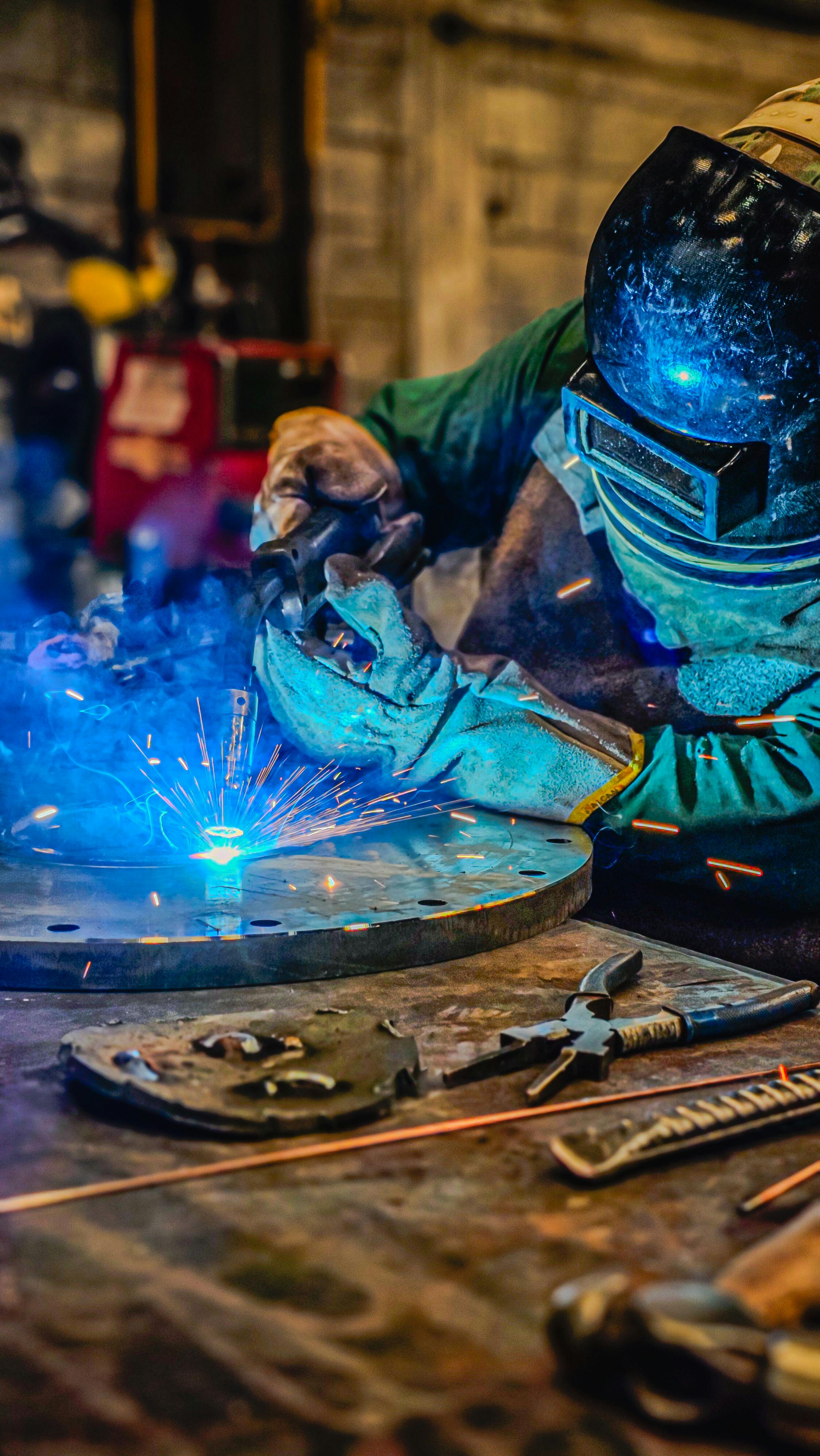
Metal fabrication environments present some of the highest hand injury risks in industrial settings. From sharp sheet metal edges and hot weld spatter to grinding sparks and heavy material handling, hands are constantly exposed to hazards. According to workplace safety data, lacerations, punctures, burns, and crush injuries are among the most common incidents in fabrication shops. Proper hand protection is not just a compliance requirement — it is a critical control that directly impacts worker safety, productivity, and long-term health. Selecting the right gloves for specific fabrication tasks can significantly reduce injuries while maintaining dexterity and performance.
1. Understanding the Primary Hazards in Metal Fabrication
How to Extend the Life of Your Cutting Tools
How to Extend the Life of Your Cutting Tools
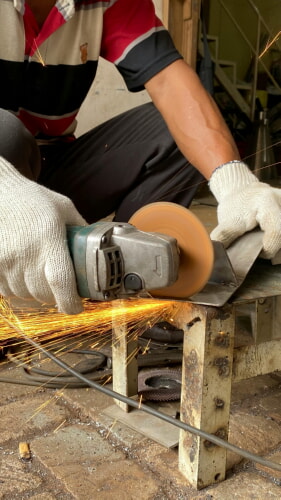
Cutting tools are essential in construction, manufacturing, mechanical repair, and industrial environments. From drill bits and saw blades to snips, shears, and utility knives, these tools are designed to perform precise work under demanding conditions. However, improper handling, poor storage, and neglecting maintenance can significantly shorten their lifespan. Replacing cutting tools too frequently increases costs and downtime. By implementing proper care and maintenance practices, professionals can extend tool life, improve performance, and maintain consistent cutting efficiency.
Fall Protection Prep: What You Should Inspect Before Autumn

Fall Protection Prep: What You Should Inspect Before Autumn
As summer winds down and cooler weather approaches, fall protection systems deserve a closer look. Autumn brings shifting temperatures, increased moisture, shorter daylight hours, and often heavier work schedules as crews push to complete projects before winter. These seasonal changes can accelerate wear on fall protection equipment. Conducting a comprehensive inspection before autumn ensures harnesses, lanyards, self-retracting lifelines (SRLs), anchors, and connectors remain reliable when workers need them most.
1. Inspect Full-Body Harnesses for Wear and UV Damage
Harnesses are the foundation of most fall protection systems. Summer sun exposure and heavy use can weaken materials.
