Logo200.png)
How to Create a Heat-Response Plan for Your Crew
How to Create a Heat-Response Plan for Your Crew
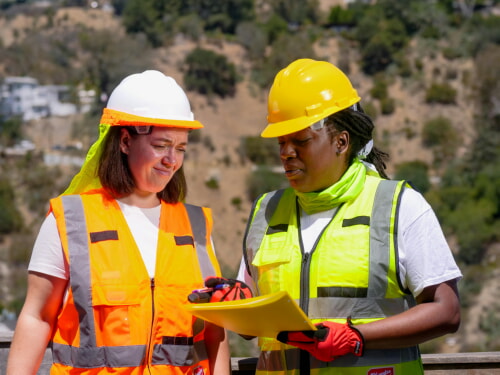
Heat-related illness is one of the most serious and preventable hazards facing workers during warm and humid conditions. As temperatures rise, crews working outdoors or in non-climate-controlled environments face increased risks of dehydration, heat exhaustion, and heat stroke. A heat-response plan provides a clear, actionable framework for recognizing heat hazards, responding to early warning signs, and protecting workers before conditions become dangerous. Creating a structured heat-response plan helps supervisors act quickly, empowers workers to speak up, and ensures consistent safety practices across the jobsite.
Tool Maintenance Tips for High Humidity Environments
Tool Maintenance Tips for High Humidity Environments
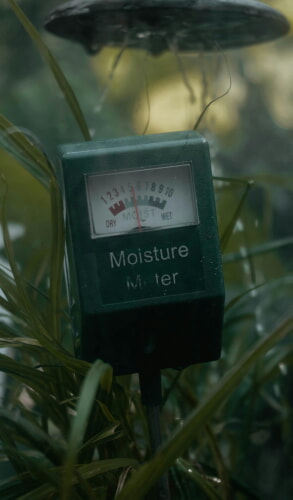
High humidity environments present unique challenges for maintaining hand tools, power tools, and precision equipment. Moisture in the air accelerates corrosion, degrades lubricants, and shortens the lifespan of even high-quality tools if they are not properly cared for. Coastal regions, outdoor jobsites, industrial facilities, and unconditioned storage areas are especially vulnerable. Implementing proper tool maintenance practices in humid conditions protects your investment, improves reliability, and reduces safety risks caused by tool failure. Proactive maintenance is essential for keeping tools functional, accurate, and safe in moisture-heavy environments.
10 Common Summer Safety Mistakes and How to Avoid Them
10 Common Summer Safety Mistakes and How to Avoid Them
Summer brings longer days, heavier workloads, and increased exposure to environmental hazards that can quickly turn routine tasks into safety risks. Heat, dust, fatigue, and complacency often combine during warmer months, leading to preventable injuries and near misses. While most summer hazards are well known, they are frequently underestimated or addressed too late. Understanding the most common summer safety mistakes—and how to avoid them helps workers and supervisors stay proactive, maintain productivity, and protect crews during the most demanding season of the year.
The Best Gloves for Handling Hot Materials Safely
The Best Gloves for Handling Hot Materials Safely
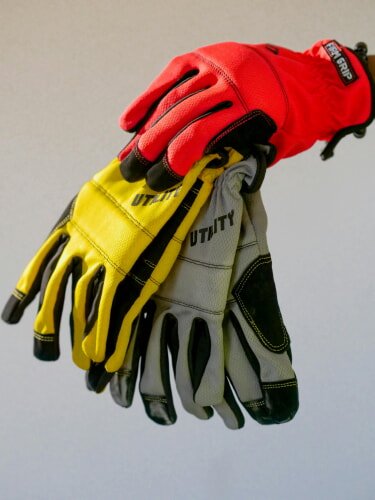
Handling hot materials is a daily reality in many industries, including manufacturing, welding, metal fabrication, construction, food processing, and maintenance operations. Burns to the hands are among the most common workplace injuries, often caused by inadequate glove selection or worn-out protective gear. Choosing the right gloves for hot materials is critical for preventing injuries while still allowing workers to grip, lift, and manipulate objects safely. Understanding heat hazards, glove materials, and performance ratings helps employers and workers select hand protection that balances safety, comfort, and productivity.
How to Choose Breathable FR Clothing for Hot Environments
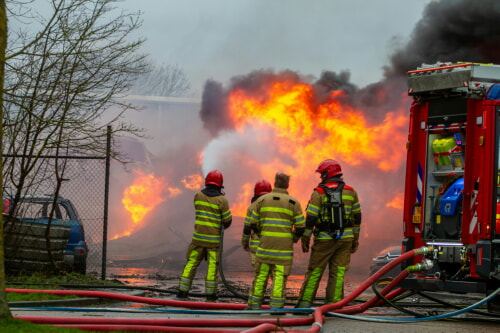
How to Choose Breathable FR Clothing for Hot Environments
Flame-resistant (FR) clothing is essential for workers exposed to flash fire, arc flash, or combustible hazards—but in hot environments, it can also contribute to heat stress if not selected carefully. Workers in oil and gas, utilities, electrical maintenance, manufacturing, and industrial settings often face a tough tradeoff between protection and comfort during warmer months. Choosing breathable FR clothing helps reduce heat buildup, improve compliance, and keep workers focused and productive without sacrificing safety. Understanding fabrics, garment construction, and performance features is key to selecting FR apparel that works with the body instead of against it.
