Logo200.png)
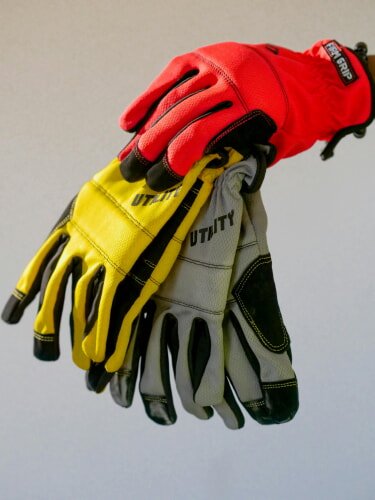
The Best Gloves for Handling Hot Materials Safely
Handling hot materials is a daily reality in many industries, including manufacturing, welding, metal fabrication, construction, food processing, and maintenance operations. Burns to the hands are among the most common workplace injuries, often caused by inadequate glove selection or worn-out protective gear. Choosing the right gloves for hot materials is critical for preventing injuries while still allowing workers to grip, lift, and manipulate objects safely. Understanding heat hazards, glove materials, and performance ratings helps employers and workers select hand protection that balances safety, comfort, and productivity.
1. Understanding Heat Hazards in the Workplace
Not all heat hazards are the same, and glove selection should match the type of exposure.
- Contact heat: Direct handling of hot objects such as metal parts, tools, or equipment.
- Radiant heat: Heat emitted from furnaces, welding arcs, or hot surfaces.
- Splash and spark exposure: Molten metal or hot debris that can penetrate standard gloves.
2. Why Standard Work Gloves Are Not Enough
General-purpose gloves are not designed to protect against high temperatures.
- Insufficient heat resistance: Many gloves quickly transfer heat to the skin.
- Material degradation: Heat can cause melting, shrinking, or hardening.
- False sense of safety: Gloves may look intact but fail under real heat exposure.
3. Key Materials Used in Heat-Resistant Gloves
The best gloves for hot materials are made from materials engineered to withstand high temperatures.
- Leather: Offers good resistance to sparks, contact heat, and abrasion.
- Aramid fibers: Provide excellent heat resistance while remaining lightweight.
- Aluminized fabrics: Reflect radiant heat away from the hands.
4. Heat Resistance Ratings and Standards
Heat-resistant gloves should meet recognized safety standards.
ANSI and EN standards help classify gloves based on contact heat, flame resistance, and thermal insulation. Understanding these ratings ensures gloves are selected based on actual exposure levels rather than appearance or thickness alone.
5. Balancing Heat Protection and Dexterity
Excessively bulky gloves can introduce new safety risks.
While thicker gloves offer more insulation, they can reduce grip strength and tactile feedback. The best heat-resistant gloves balance thermal protection with dexterity, allowing workers to safely handle hot materials without dropping objects or losing control.
6. Proper Fit and Coverage Matter
Fit plays a major role in glove performance.
Gloves that are too loose can slip, while tight gloves may restrict circulation and increase discomfort. Extended cuffs or gauntlet-style gloves offer additional wrist and forearm protection when exposure risk extends beyond the hands.
7. Maintenance, Inspection, and Replacement
Even the best gloves lose effectiveness over time.
Heat-resistant gloves should be inspected regularly for thinning, cracking, stiffness, or burn marks. Any glove showing signs of damage should be removed from service immediately. Establishing replacement guidelines helps ensure workers are never relying on compromised protection.
Bonus Tip:
Always match glove heat ratings to the maximum temperature workers will handle not just average conditions.
Conclusion
Selecting the best gloves for handling hot materials safely is essential for preventing burns and maintaining productivity. By understanding heat hazards, choosing the right materials, and ensuring proper fit and maintenance, employers can significantly reduce hand injuries. Heat-resistant gloves are not a one-size-fits-all solution matching protection levels to job requirements ensures workers stay safe, confident, and capable when working with hot materials.
Explore heat-resistant work gloves at Abolox and equip your team with hand protection designed for high-temperature tasks.
Supporting Articles & References
Examining the Different Types of Work Safety Gloves – EHS Insight
Breaks down common work safety glove types and materials, helping employers choose the right hand protection based on heat, cut, chemical, and impact hazards.
Tagged Products
![MCR Safety 93861 CutPro Gloves 7-Gauge Aramid Shell, Leather Palm, Cut/Heat Resistant [12 Pack]](assets/images/mcr/thumbnails/93861_thumb.jpg)