Logo200.png)
10 Common Summer Safety Mistakes and How to Avoid Them
Summer brings longer days, heavier workloads, and increased exposure to environmental hazards that can quickly turn routine tasks into safety risks. Heat, dust, fatigue, and complacency often combine during warmer months, leading to preventable injuries and near misses. While most summer hazards are well known, they are frequently underestimated or addressed too late. Understanding the most common summer safety mistakes—and how to avoid them helps workers and supervisors stay proactive, maintain productivity, and protect crews during the most demanding season of the year.
1. Underestimating Heat Stress Risks
Many crews wait until temperatures spike before addressing heat-related hazards.
- Mistake: Treating heat stress as an occasional issue instead of a daily risk.
- How to avoid it: Implement hydration, rest breaks, and cooling PPE before the first heat wave.
- Why it matters: Early prevention reduces the risk of heat exhaustion and heat stroke.
2. Skipping Hydration Until It’s Too Late
Dehydration often develops gradually and goes unnoticed until symptoms appear.
- Mistake: Relying on thirst as an indicator for hydration.
- How to avoid it: Encourage frequent water breaks and place hydration stations close to work areas.
- Why it matters: Proper hydration supports endurance, focus, and temperature regulation.
3. Wearing the Wrong PPE for Hot Conditions
Standard PPE may become uncomfortable or ineffective during summer months.
- Mistake: Using heavy or non-breathable PPE year-round.
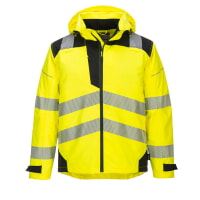
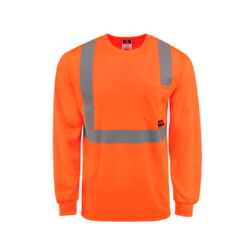
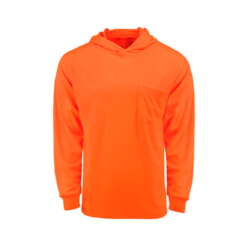
- How to avoid it: Switch to lightweight, moisture-wicking, and ventilated PPE designed for warm weather.
- Why it matters: Comfortable PPE improves compliance and reduces heat stress.
4. Ignoring UV Exposure on Outdoor Jobsites
Sun exposure is often overlooked because its effects are not immediate.
- Mistake: Treating UV exposure as a personal issue rather than a workplace hazard.
- How to avoid it: Use UV-rated safety glasses, protective clothing, and sunscreen.
- Why it matters: Long-term UV exposure increases the risk of skin and eye damage.
5. Allowing Dust to Build Up Unchecked
Dry summer conditions can significantly increase airborne dust.
- Mistake: Treating dust as a nuisance instead of a safety hazard.
- How to avoid it: Use dust suppression, proper ventilation, and respiratory protection when needed.
- Why it matters: Dust affects breathing, visibility, and overall jobsite safety.
6. Overworking Crews During Long Summer Days
Extended daylight often leads to longer shifts and fewer breaks.
- Mistake: Assuming longer days mean workers can safely do more.
- How to avoid it: Monitor fatigue, rotate tasks, and encourage regular rest periods.
- Why it matters: Fatigue increases errors, slows reaction time, and raises injury risk.
7. Neglecting PPE Inspection and Replacement
Heat, sweat, and dust accelerate PPE wear during summer.
- Mistake: Continuing to use damaged or worn PPE.
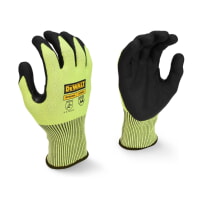
- How to avoid it: Inspect PPE regularly and replace cooling gear, gloves, and eyewear as needed.
- Why it matters: Worn PPE provides a false sense of protection.
8. Failing to Adjust Work Schedules
Midday heat often presents the highest risk.
- Mistake: Scheduling the most demanding tasks during peak heat hours.
- How to avoid it: Perform heavy work early in the morning or later in the afternoon when possible.
- Why it matters: Smart scheduling reduces heat strain and fatigue.
9. Poor Communication About Summer Hazards
Safety messaging often focuses on year-round risks while seasonal hazards are ignored.
- Mistake: Failing to reinforce summer-specific safety topics.
- How to avoid it: Use toolbox talks and safety briefings focused on heat, dust, and fatigue.
- Why it matters: Awareness helps workers recognize warning signs early.
10. Waiting for an Incident Before Taking Action
Reactive safety measures are always less effective.
- Mistake: Addressing hazards only after someone gets hurt.
- How to avoid it: Conduct seasonal safety kickoffs and risk assessments before summer peaks.
- Why it matters: Proactive planning prevents injuries and downtime.
Bonus Tip:
Treat summer safety as a seasonal program not a temporary reaction by planning PPE, training, and schedules in advance.
Conclusion
Summer safety mistakes are common but they are also preventable. By recognizing seasonal hazards early and adjusting PPE, schedules, training, and work practices, employers can significantly reduce heat-related illness, fatigue, and injuries. Avoiding these common mistakes helps protect workers, improve morale, and maintain productivity during the busiest months of the year. Proactive summer safety planning is one of the most effective ways to keep jobsites running safely and efficiently.
Explore summer safety PPE and protective equipment at Abolox and equip your team to work smarter and safer all season long.
Supporting Articles & References
Summer Health Mistakes Providers See Every Year and How to Avoid Them – Avance Care
Highlights common summer health mistakes such as dehydration and heat overexposure, offering practical prevention tips that align with workplace heat safety and wellness efforts.
Common Summer Health Concerns and How to Avoid Them – Family Practice Center
Covers common summer health concerns such as heat exhaustion, dehydration, and sun exposure, offering prevention tips that support workplace summer safety programs.
Tagged Products