Logo200.png)
Cooling Gear Myths: What Really Works (and What Doesn’t)
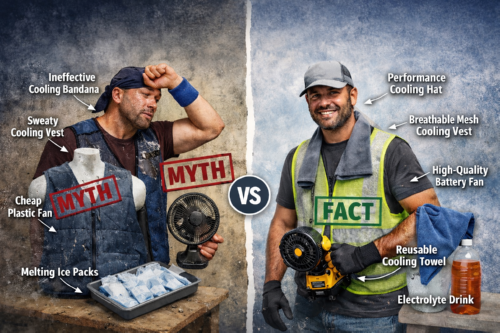
Cooling Gear Myths: What Really Works (and What Doesn’t)
As temperatures rise, cooling gear becomes a common topic on jobsites but so do misconceptions about what actually works. From old-school tricks to trendy products promising instant relief, not all cooling solutions deliver meaningful protection against heat stress. Relying on ineffective gear can create a false sense of safety, putting workers at risk during long, hot workdays. Understanding the myths surrounding cooling gear and knowing which solutions are proven to help allows supervisors and crews to make informed decisions that improve comfort, compliance, and safety in demanding summer conditions.
The Role of Ventilated Helmets in Worker Comfort
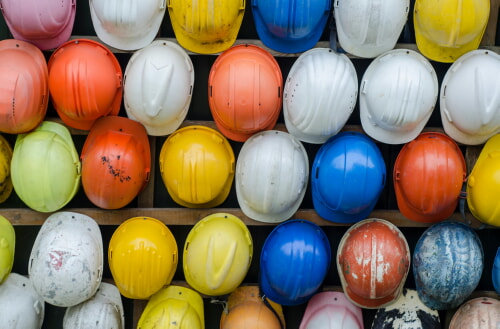
The Role of Ventilated Helmets in Worker Comfort
Head protection is one of the most critical and most consistently worn pieces of PPE on industrial and construction jobsites. However, traditional hard hats and helmets can trap heat, restrict airflow, and contribute to discomfort during warm or high-exertion work. In hot environments, head-related heat buildup can accelerate fatigue, reduce focus, and discourage proper PPE use. Ventilated helmets are designed to address these challenges by improving airflow while maintaining impact protection. Understanding the role ventilated helmets play in worker comfort helps safety managers balance protection, productivity, and heat stress prevention.
How to Build a Summer Safety Kit for Construction Crews

How to Build a Summer Safety Kit for Construction Crews
Summer is one of the busiest and most hazardous seasons for construction crews. High temperatures, direct sun exposure, dust, and extended workdays combine to increase the risk of heat illness, fatigue, dehydration, and preventable injuries. A well-planned summer safety kit gives crews immediate access to the tools and PPE they need to manage seasonal hazards before they escalate. Building a standardized summer safety kit helps supervisors reinforce safe work practices, improves PPE compliance, and demonstrates a proactive commitment to worker health during the most demanding months of the year.
Protecting Hands from Sweat and Slippage in Summer Work
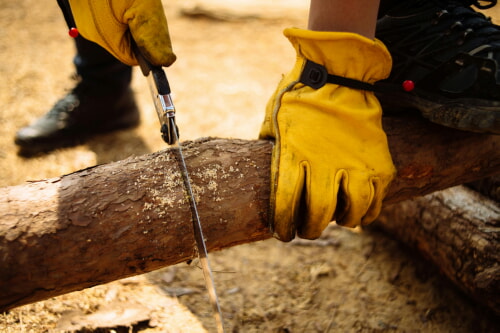
Protecting Hands from Sweat and Slippage in Summer Work
Summer conditions introduce a unique set of hand safety challenges across construction, manufacturing, utilities, warehousing, and maintenance operations. As temperatures rise, increased perspiration can quickly compromise grip strength, tool control, and overall hand protection. Sweaty hands lead to slippage, dropped tools, reduced dexterity, and higher risk of cuts, crush injuries, and strains. Protecting hands from sweat and slippage is not just about comfort it’s a critical component of summer safety planning. Selecting the right gloves, materials, and work practices helps crews maintain control, reduce injuries, and stay productive during hot, demanding workdays.
Why Cotton PPE Isn’t Enough for Heat Protection
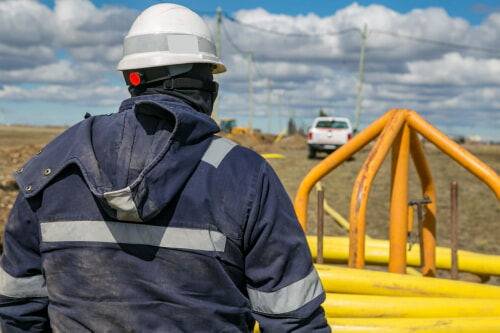
Why Cotton PPE Isn’t Enough for Heat Protection
Cotton has long been viewed as the “default” fabric for workwear, especially in hot environments. Many workers assume that because cotton is natural and breathable, it automatically provides adequate heat protection. In reality, cotton PPE often falls short when temperatures rise, sweat increases, and work intensity ramps up. For crews working outdoors, in warehouses, or in industrial environments, relying on cotton alone can actually increase heat stress, discomfort, and safety risks. Understanding the limitations of cotton PPE and knowing what alternatives perform better helps employers protect workers more effectively during hot conditions.
