Logo200.png)

Beating the Heat: How Cooling PPE Can Prevent Fatigue
Fatigue is one of the most underestimated hazards on hot jobsites. While heat illness receives significant attention, heat-related fatigue often develops quietly reducing concentration, slowing reaction time, and increasing the likelihood of errors and injuries. In construction, utilities, manufacturing, landscaping, and industrial maintenance, prolonged exposure to heat places enormous strain on the body. Cooling personal protective equipment (PPE) plays a critical role in managing body temperature, supporting hydration efforts, and preventing the physical exhaustion that leads to accidents. Understanding how cooling PPE works and how to use it effectively can dramatically improve worker safety and performance during hot conditions.
1. How Heat Contributes to Fatigue
The body works harder in hot environments, even before symptoms of heat illness appear.
- Increased heart rate: The body circulates blood toward the skin to cool itself.
- Fluid loss: Sweating leads to dehydration and electrolyte imbalance.
- Energy drain: Maintaining temperature control consumes physical resources.
2. Fatigue Increases Safety Risks
Heat-related fatigue impacts both physical and mental performance.
- Slower reaction time: Delays in responding to hazards.
- Reduced coordination: Greater chance of slips, drops, or missteps.
- Decreased focus: Difficulty maintaining attention on detailed tasks.
3. How Cooling PPE Supports Temperature Regulation
Cooling PPE is designed to assist the body’s natural heat control systems.
- Evaporative cooling towels: Promote sweat evaporation around the neck and head.
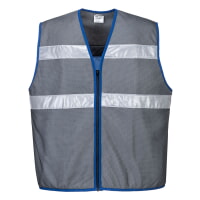
- Cooling vests: Lower core temperature during extended work periods.
- Breathable hi-vis apparel: Improves airflow without sacrificing compliance.
4. Targeting High Blood-Flow Areas for Maximum Effect
Cooling gear is most effective when placed strategically.
Neck wraps, cooling headbands, and vests focus on areas where blood flow is highest. Cooling these zones helps regulate overall body temperature more efficiently, slowing the onset of fatigue and supporting endurance during long shifts.
5. Cooling PPE Improves Comfort and Compliance
Comfort is directly tied to safety behavior.
Workers who are overheated are more likely to loosen PPE, remove protective layers, or rush tasks to finish early. Cooling PPE enhances comfort, making it easier for workers to maintain required protective gear throughout the shift without compromising compliance.
6. Cooling PPE Is Not a Replacement for Hydration
Cooling gear works best as part of a comprehensive heat management plan.
Hydration, scheduled rest breaks, shade, and acclimatization remain essential. Cooling PPE supports these measures by reducing overall heat strain, but it does not eliminate the need for water and proper recovery time.
7. Choosing the Right Cooling Technology
Different cooling technologies perform differently depending on environmental conditions.
- Evaporative cooling: Ideal for dry or moderately humid environments.
- Phase-change cooling: Maintains consistent cooling even in high humidity.
- Ventilated head protection: Improves airflow and reduces head heat buildup.
8. Implementing Cooling PPE into Your Heat-Response Plan
Planning increases effectiveness.
Issue cooling PPE before peak temperatures arrive and train workers on proper activation, use, and storage. Monitor fatigue levels during shifts and gather feedback to adjust gear selection based on performance and comfort.
Bonus Tip:
Provide multiple cooling accessories per worker so gear can be rotated and reactivated throughout the day.
Conclusion
Cooling PPE plays a valuable role in preventing fatigue and supporting worker safety in hot environments. By assisting the body’s natural cooling process, reducing heat strain, and improving comfort, cooling gear helps crews maintain focus and productivity during long summer shifts. When combined with hydration, scheduling adjustments, and proper training, cooling PPE becomes a powerful tool in any heat stress prevention strategy.
Explore cooling PPE and heat stress solutions at Abolox and equip your team to work safer and stronger in the heat.
Supporting Articles & References
PPE and Heat Stress Prevention – NIOSH
Provides guidance on selecting and using personal protective equipment in hot environments to reduce heat strain and prevent heat-related illness.
Protect Workers from Heat and Cold – Safety+Health Magazine
Covers practical strategies for protecting workers from temperature-related hazards ncluding heat stress prevention, hydration, and PPE considerations in outdoor and industrial settings.
Tagged Products