Logo200.png)

What to Look for in Impact-Resistant Gloves
Hand injuries remain one of the most common workplace incidents across construction, oil and gas, utilities, manufacturing, and heavy industrial operations. Among these injuries, impact and crush-related incidents can cause severe damage often affecting knuckles, fingers, and the back of the hand. Impact-resistant gloves are specifically engineered to reduce the severity of these injuries, but not all gloves provide the same level of protection. Understanding what to look for in impact-resistant gloves helps safety managers and workers select options that deliver real-world performance without sacrificing dexterity or comfort.
1. Back-of-Hand Impact Protection
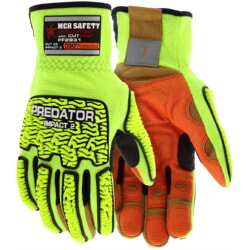
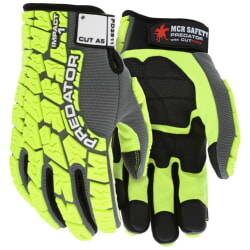
The defining feature of impact-resistant gloves is reinforced protection across vulnerable areas.
- Thermoplastic rubber (TPR) guards: Absorb and disperse force from strikes and crush hazards.
- Strategic placement: Protection should cover knuckles, fingers, and metacarpal areas.
- Flexibility: Segmented designs allow movement without restricting hand function.
2. ANSI/ISEA Impact Ratings
Standards provide measurable performance benchmarks.
- ANSI/ISEA 138 compliance: Rates gloves based on impact protection performance.
- Level 1–3 classifications: Higher levels indicate greater force attenuation.
- Verified testing: Ensures gloves meet consistent protection criteria.
3. Cut and Abrasion Resistance
Impact hazards rarely occur in isolation.
- ANSI cut ratings: Evaluate resistance to blade cuts.
- Abrasion resistance: Protects against surface wear and material handling risks.
- Multi-hazard protection: Look for gloves combining impact and cut defense.
4. Grip Performance in Real Conditions
A glove that slips increases risk instead of reducing it.
Choose gloves with textured nitrile, micro-foam, or specialized palm coatings that maintain grip in dry, wet, or oily conditions. Reliable grip supports control when handling heavy materials, tools, or equipment in demanding environments.
5. Dexterity and Flexibility
Protection should not come at the expense of usability.
Bulky gloves can slow work and increase fatigue. Look for ergonomic shaping, flexible back-of-hand guards, and snug-fitting liners that allow natural movement. Proper dexterity helps prevent dropped tools and improves overall productivity.
6. Proper Fit and Sizing
Fit directly impacts safety performance.
Gloves that are too loose may shift during impact, while overly tight gloves restrict circulation and comfort. A secure, comfortable fit ensures protective elements stay aligned with the hand during high-risk tasks.
7. Durability for Demanding Environments
Impact-resistant gloves are often used in high-abuse settings.
Reinforced fingertips, double stitching, and durable coatings extend glove lifespan. Evaluate how gloves perform under repeated flexing, heavy material handling, and exposure to oils, dust, or weather conditions.
8. Compatibility with Job Requirements
Impact gloves must align with specific jobsite hazards.
Consider whether additional features such as touchscreen compatibility, chemical resistance, or high-visibility coloring are required. Always perform a hazard assessment to ensure gloves meet the demands of the task.
Bonus Tip:
Select gloves based on documented hazard assessments not just appearance or thickness.
Conclusion
Choosing the right impact-resistant gloves requires more than selecting the most heavily padded option. Evaluating back-of-hand protection, ANSI ratings, cut resistance, grip performance, fit, and durability ensures gloves provide meaningful protection in real-world conditions. By aligning glove features with jobsite hazards, employers can significantly reduce the risk of hand injuries while maintaining productivity and compliance.
Explore impact-resistant work gloves at Abolox and equip your crew with protection built for demanding tasks.
Supporting Articles & References
ANSI/ISEA 138-2019 Standard for Impact Gloves – ANSI Blog
Explains the ANSI/ISEA 138 impact protection standard, detailing how gloves are tested and classified to reduce hand injuries from impact hazards.
Tagged Products
![MCR Safety 36136KDP Goatskin Leather Glove Cut A5 With Impact Level 1 Protection [12-PAIR]](assets/images/mcr/thumbnails/36136KDP_thumb.jpg)


![MCR Safety UT1902 UltraTech Gloves Orange Cotton/Poly Palm, Hi-Vis TPR Impact [12 PACK]](assets/images/mcr/thumbnails/UT1902_thumb.jpg)


