Logo200.png)
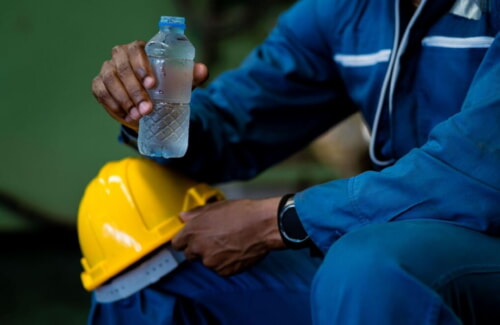
How to Stay Hydrated and Safe on the Job Site
Hydration is one of the simplest and most powerful safety practices on any job site, yet it is often overlooked until temperatures rise or symptoms appear. Whether crews are working in construction, utilities, landscaping, roadwork, manufacturing, or industrial maintenance, physical exertion combined with heat can quickly lead to dehydration and heat-related illness. Staying properly hydrated improves focus, reduces fatigue, supports temperature regulation, and lowers injury risk. Developing a proactive hydration strategy protects workers, maintains productivity, and reinforces a culture of safety during both moderate and extreme weather conditions.
1. Why Hydration Is Critical for Job Site Safety
Water plays a central role in how the body manages heat and physical effort.
- Temperature regulation: Sweat helps cool the body during exertion.
- Muscle function: Proper hydration prevents cramps and strain.
- Mental clarity: Dehydration reduces focus and reaction time.
2. Recognizing Early Signs of Dehydration
Early detection prevents more serious heat-related conditions.
- Dry mouth or thirst: Often the first noticeable symptom.
- Headaches or dizziness: Signs that fluid levels are dropping.
- Dark-colored urine: A common indicator of dehydration.
3. Establishing a Hydration Plan
Hydration should be structured not left to chance.
- Scheduled water breaks: Encourage drinking before thirst develops.
- Accessible water stations: Place near active work zones.
- Individual bottles: Promote personal responsibility and hygiene.
4. How Much Water Is Enough?
Hydration needs increase with temperature and activity level. General guidance suggests workers drink small amounts of water frequently often every 15–20 minutes during hot conditions. Intake requirements vary depending on workload, humidity, and individual factors. The key is consistency rather than waiting until symptoms appear.
5. Electrolytes and High-Heat Conditions
Sweating leads to the loss of more than just water. Electrolytes such as sodium and potassium help maintain fluid balance and muscle function. During prolonged heat exposure or heavy labor, electrolyte replacement drinks can support hydration efforts. However, water should remain the primary source of fluid intake.
6. Hydration and PPE
Certain PPE can increase heat stress and fluid loss. Flame-resistant clothing, high-visibility apparel, gloves, and helmets can trap heat and accelerate sweating. Workers wearing layered PPE should be encouraged to hydrate more frequently and monitor for signs of overheating.
7. Supervisory Role in Hydration Safety
Hydration culture starts with leadership. Supervisors should model hydration behavior, remind crews to drink water, and monitor workers for signs of heat strain. Integrating hydration reminders into toolbox talks reinforces its importance during busy shifts.
8. Hydration Beyond Hot Weather
Hydration matters year-round not just in summer. Workers can become dehydrated even in mild temperatures or indoor environments. Physical exertion alone increases fluid loss. Maintaining consistent hydration habits protects health in all seasons.
Bonus Tip:
Encourage workers to start hydrating before the shift begins rather than trying to “catch up” later in the day.
Conclusion
Staying hydrated on the job site is one of the most effective ways to prevent heat stress, reduce fatigue, and improve overall safety. By recognizing early signs of dehydration, implementing structured hydration plans, and reinforcing leadership accountability, employers can significantly lower the risk of heat-related incidents. Hydration is simple but when taken seriously, it becomes a powerful tool in protecting workers and maintaining productivity.
Explore heat stress and hydration safety solutions at Abolox and equip your team to stay safe and productive in any conditions.
Supporting Articles & References
Protecting Workers from the Effects of Heat – OSHA
Provides practical guidance on hydration, work/rest cycles, and heat illness prevention strategies to help employers protect workers in hot environments.
Water: How Much Should Workers Drink? – NIOSH
Explains recommended hydration practices for workers to maintain fluid balance, prevent dehydration, and reduce heat stress on the job.
Keeping Workers Well Hydrated: New Tip Sheet from OSHA – Safety+Health Magazine
Highlights OSHA’s hydration tips and guidance for employers to help prevent dehydration and heat stress among workers in hot conditions.
