Logo200.png)
Why FR Workwear Isn’t Just for Welders Anymore
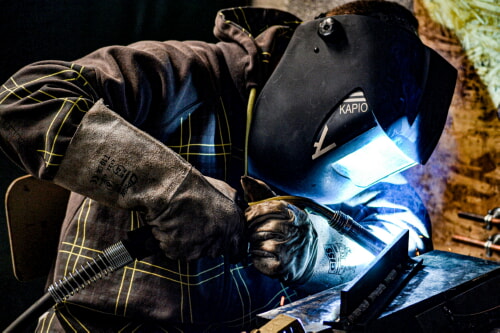
For decades, flame-resistant (FR) workwear was most commonly associated with welding operations. Sparks, molten metal, and open flames made FR protection an obvious necessity in fabrication shops and heavy industrial settings. Today, however, workplace hazards have evolved and so has the need for flame-resistant apparel. Electrical arc flash events, flash fires, combustible dust incidents, and industrial energy exposures have expanded the range of industries requiring FR clothing. Modern FR workwear is no longer limited to welders; it has become a critical component of safety programs across utilities, oil and gas, manufacturing, maintenance, and construction sectors.
1. Expanding Hazard Awareness Across Industries
Workplace safety standards have broadened to address more than just visible flames.
- Arc flash hazards: Electrical systems can release intense thermal energy without warning.
- Flash fire risks: Vapor releases in industrial environments can ignite instantly.
- Combustible dust: Fine particles can create explosive conditions.
2. Electrical Workers and Arc Flash Protection
One of the largest drivers of FR adoption outside welding is electrical safety.
- Arc-rated (AR) clothing: Designed to protect against thermal energy from arc flashes.
- NFPA 70E compliance: Requires protective clothing for certain energized work tasks.
- Layering systems: Provide adjustable protection levels based on hazard assessments.
3. Oil, Gas, and Petrochemical Operations
These industries face elevated flash fire risks.
- Hydrocarbon exposure: Vapors can ignite rapidly under the right conditions.
- Remote work environments: Immediate medical response may not be available.
- Industry standards: Many employers require FR garments as standard PPE.
4. Manufacturing and Maintenance Operations
Even routine maintenance tasks can expose workers to thermal hazards.
Industrial machinery, energized panels, and processing systems create potential ignition sources. Maintenance crews performing troubleshooting, inspection, or repair work may encounter unexpected arc flash or flash fire events, making FR protection a smart precaution.
5. FR Technology Has Improved Comfort and Wearability
Modern FR garments are lighter, more breathable, and more practical than older designs.
Advancements in fabric technology have reduced weight and improved moisture management, making FR apparel suitable for hot environments. Workers no longer need to choose between comfort and protection—today’s FR workwear balances both.
6. Compliance and Liability Considerations
Regulatory and insurance expectations continue to evolve.
Employers must perform hazard assessments and provide appropriate protective equipment. Failure to supply proper FR protection when required can result in regulatory penalties and increased liability exposure. Proactive FR adoption strengthens compliance and demonstrates a commitment to worker safety.
7. FR Is Part of a Layered Safety Strategy
FR clothing complements other protective measures.
Engineering controls, lockout/tagout procedures, safe work practices, and proper training remain essential. FR workwear serves as a final line of defense when other controls fail, reducing injury severity during unexpected thermal events.
Bonus Tip:
Conduct periodic hazard reassessments to determine whether evolving tasks or equipment require upgraded FR or arc-rated protection.
Conclusion
Flame-resistant workwear is no longer limited to welding applications. As workplace hazards expand to include arc flash, flash fire, and combustible dust risks, FR apparel has become an essential safeguard across multiple industries. Modern FR garments offer improved comfort, compliance support, and reliable thermal protection. By understanding evolving risks and implementing appropriate FR solutions, employers can better protect workers from serious thermal injuries no matter the job.
Explore flame-resistant workwear and arc-rated PPE at Abolox and equip your crew with protection built for today’s hazards.
Supporting Articles & References
FR/AR Clothing and Heat – Safety+Health Magazine
Although focused on FR apparel, this article also highlights how heat and sweat affect PPE comfort and performance insights that apply to choosing effective summer eye protection.
Tagged Products