Logo200.png)
How to Train New Workers on PPE Safety During Busy Season
Busy season often brings an influx of new workers just as workloads, schedules, and jobsite pressure increase. While production demands rise, safety expectations cannot slip especially when it comes to personal protective equipment (PPE). New workers are statistically more likely to be injured, often due to unfamiliarity with hazards, improper PPE use, or lack of hands-on training. Developing a structured, efficient approach to PPE safety training helps employers protect workers, maintain compliance, and avoid costly incidents during peak operations.
1. Why PPE Training Matters More During Busy Season
Fast-paced environments amplify the consequences of improper PPE use.
- Higher injury risk: New workers may not recognize hazards immediately.
- Compressed onboarding: Training is often rushed to meet production demands.
- Increased exposure: Longer hours and higher workloads increase risk.
2. Start With Hazard Awareness Before PPE
Workers need to understand why PPE is required not just how to wear it.
- Task-specific hazards: Explain risks tied directly to daily job duties.
- Seasonal risks: Address heat, dust, fatigue, and environmental conditions.
- Real-world examples: Use past incidents or near-misses to reinforce importance.
3. Standardize PPE Expectations Across the Jobsite
Consistency eliminates confusion for new hires.
- Clear PPE requirements: Define what is mandatory in each work area.
- Visual cues: Post signage showing required PPE by task or zone.
- No exceptions: Apply rules equally to all workers, including supervisors.
4. Provide Hands-On PPE Training
Demonstration and practice are more effective than lectures alone.
Allow new workers to try on PPE, adjust fit, and practice donning and doffing correctly. Demonstrate common mistakes, such as loose gloves, fogged eyewear, or improperly adjusted helmets. Hands-on interaction builds confidence and ensures PPE is worn correctly from day one.
5. Focus on Fit, Comfort, and Seasonal PPE
Uncomfortable PPE leads to poor compliance.
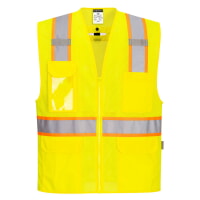
Ensure PPE fits properly and is appropriate for busy-season conditions. Lightweight gloves, breathable hi-vis apparel, anti-fog eyewear, and cooling accessories improve comfort during long, hot days. When PPE feels manageable, workers are more likely to wear it consistently.
6. Assign Mentors or PPE Safety Buddies
Peer guidance reinforces training on active jobsites.
Pair new workers with experienced employees who model proper PPE use and correct issues in real time. Mentors help reinforce expectations without slowing workflow and provide new hires with a reliable point of contact for safety questions.
7. Reinforce Training Through Daily Touchpoints
Training shouldn’t end after orientation.
Use toolbox talks, pre-shift briefings, and quick PPE checks to reinforce proper use. Address common issues such as worn gloves, damaged eyewear, or improper helmet fit. Short, frequent reminders help keep safety top of mind during hectic schedules.
8. Document Training and Track Compliance
Documentation supports accountability and compliance.
Record PPE training completion, issue PPE checklists, and track recurring issues. Documentation not only supports regulatory compliance but also highlights gaps that need additional training or equipment adjustments.
Bonus Tip:
Create a simple PPE checklist new workers can keep in their pocket or toolbox as a daily reminder.
Conclusion
Training new workers on PPE safety during busy season requires planning, consistency, and practical engagement. By focusing on hazard awareness, hands-on instruction, proper fit, and ongoing reinforcement, employers can protect workers without sacrificing productivity. A structured PPE training approach builds safer habits early, reduces incidents, and helps new hires integrate smoothly into fast-paced operations—making busy season safer for everyone.
Explore jobsite PPE and safety essentials at Abolox and equip new workers with protection they’ll actually wear.
Supporting Articles & References
Your Guide to Personal Protective Equipment Training – Able Safety
Provides a practical overview of PPE training requirements, best practices, and methods for ensuring workers understand proper selection, use, and maintenance of protective equipment.
Tagged Products
![DEWALT DPG100T-1D Crosscut Safety Glasses Clear Lens Protective [12 PAIR]](assets/images/radians/thumbnails/DPG100T-1D_MainImage_thumb.jpg)
![DEWALT DPG110-2D Chisel Protective Safety Glasses Smoke Lens [12 PAIR]](assets/images/radians/thumbnails/DPG110-2D_MainImage_thumb.jpg)