Logo200.png)
How to Manage PPE for Temporary or Seasonal Workers
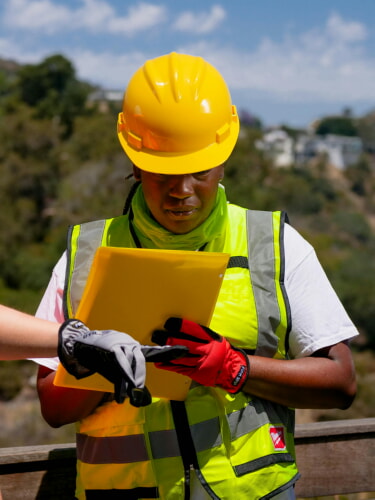
Temporary and seasonal workers are essential during peak construction, agricultural, industrial, and warehouse seasons. However, onboarding large numbers of short-term employees introduces unique safety challenges especially when it comes to personal protective equipment (PPE). New hires may be unfamiliar with hazards, unsure about proper fit, or unaware of company PPE expectations. Managing PPE for temporary or seasonal workers requires clear processes, consistent training, proper documentation, and accessible equipment. A structured PPE management system ensures every worker regardless of tenure receives adequate protection and support.
1. Understand the Increased Risk for Temporary Workers
New and short-term workers face higher injury rates in many industries.
- Limited hazard familiarity: They may not recognize jobsite risks immediately.
- Compressed training schedules: Onboarding is often rushed during busy seasons.
- Higher exposure rates: Peak workloads increase physical demands and risk.
2. Standardize PPE Requirements by Task
Consistency reduces confusion and improves compliance.
- Task-based PPE lists: Clearly define required equipment for each job role.
- Visual signage: Post PPE requirements in high-traffic areas.
- Uniform enforcement: Apply the same rules to permanent and temporary staff.
3. Conduct Hands-On PPE Training During Orientation
Demonstration improves understanding.
- Proper donning and doffing: Show workers how to wear equipment correctly.
- Fit checks: Ensure helmets, gloves, eyewear, and respirators fit properly.
- Hazard explanation: Connect PPE to real jobsite risks.
4. Address Fit and Sizing Challenges
Seasonal crews often bring varied body types and experience levels.
Maintain adequate PPE inventory in multiple sizes and styles to accommodate diverse workers. Ill-fitting PPE discourages compliance and reduces effectiveness. Quick-access sizing guides and trained supervisors can help ensure every worker receives properly fitted equipment.
5. Track Issuance and Accountability
Documentation protects both workers and employers.
Use sign-out logs or digital tracking systems to record PPE issuance. Document training completion and hazard assessments. Tracking helps prevent shortages, ensures replacements are available, and supports regulatory compliance if inspected.
6. Plan for Higher Wear and Replacement Rates
Seasonal peaks increase PPE usage and damage.
Budget for increased glove replacement, cooling gear rotation, eyewear wear, and high-visibility apparel damage. Temporary workers may require more frequent reinforcement and equipment checks due to unfamiliarity with care procedures.
7. Assign Safety Mentors
Peer guidance reinforces safe habits.
Pair temporary workers with experienced employees who model correct PPE use and address questions in real time. Mentorship builds accountability and reinforces safety culture during fast-paced operations.
8. Reinforce PPE Policies Throughout the Season
Safety training should not be a one-time event.
Use toolbox talks, visual reminders, and supervisory spot checks to reinforce PPE compliance. Seasonal workers benefit from short, frequent reminders that clarify expectations and correct improper usage before it leads to incidents.
Bonus Tip:
Create a simple PPE checklist that seasonal workers can keep in their pocket or on their mobile device as a daily reminder.
Conclusion
Managing PPE for temporary or seasonal workers requires planning, structure, and consistent reinforcement. By standardizing requirements, providing hands-on training, ensuring proper fit, and tracking equipment issuance, employers can reduce injury risks and maintain compliance during peak operations. A well-organized PPE program protects not only seasonal employees but also permanent staff strengthening safety culture across the entire workforce.
Explore jobsite PPE and safety essentials at Abolox and equip every worker with reliable protection from day one.
Supporting Articles & References
Protecting Temporary Workers – OSHA
Outlines employer and staffing agency responsibilities for ensuring temporary workers receive proper safety training, hazard communication, and PPE protection.
Temporary Workers: Protecting Those Who Protected Us – NIOSH
Provides comprehensive recommendations for protecting temporary workers through hazard communication, training, PPE management, and organizational safety practices.
Temporary Workers: OSHA Safety and Health Considerations – OSHA
Offers practical guidance on identifying hazards and implementing safety measures, including PPE practices, specifically for temporary and contract workers.
Tagged Products