Logo200.png)
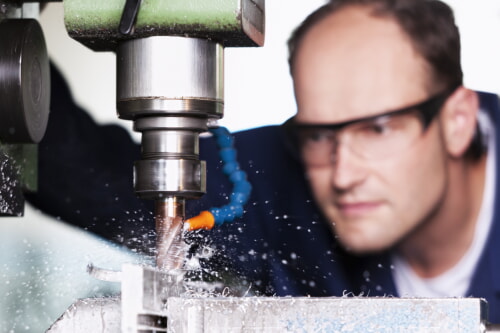
Ensuring workplace safety is a top priority for every industry, primarily where employees work with tools and machinery. Improper tool use can result in severe injuries, reduced productivity, and costly accidents. A well-structured safety training program is essential for educating employees on the correct use of tools to prevent accidents and promote a safe work environment.
This blog will explore the importance of safety training, strategies for educating employees on proper tool use, and best practices to ensure your workforce is well-prepared and protected.
Why Safety Training on Tool Use Matters
Safety training is a critical component of any comprehensive workplace safety program. It ensures that employees understand the risks associated with using tools and know how to mitigate them. According to the Occupational Safety and Health Administration (OSHA), the improper use of tools is one of the leading causes of workplace injuries.
Key Benefits of Safety Training:
- Injury Prevention: Proper training helps reduce accidents caused by tool misuse, such as cuts, abrasions, and amputations.
- Increased Productivity: Well-trained employees work more efficiently and effectively, knowing how to operate tools safely and correctly.
- Compliance with Regulations: OSHA and other regulatory bodies require employers to provide safety training to protect workers and ensure compliance with legal standards.
- Cost Savings: Reducing workplace injuries leads to fewer worker compensation claims and less downtime due to accidents.
Steps for Effective Safety Training on Tool Use
1. Identify Potential Hazards
Start by identifying the specific tools used in your workplace and the potential hazards associated with them. Each tool presents unique risks, and employees should know these dangers. For example, power tools like drills and saws can cause severe injuries if not handled correctly, while manual tools like hammers and screwdrivers can lead to strains or repetitive motion injuries.
Common hazards include:
- Pinching, cutting, or crushing injuries
- Electrical shock from faulty power tools
- Repetitive stress injuries from improper ergonomics
- Noise hazards from loud tools (requiring ear protection)
2. Create Comprehensive Training Programs
Training should be tailored to your employees' specific tools. A comprehensive safety training program should cover the following key areas:
- Tool Inspection and Maintenance: Employees should learn how to inspect tools before use to ensure they are in good working condition. Training should include recognizing signs of wear and damage and understanding the importance of regular tool maintenance.
- Correct Handling Techniques: Employees must be trained on how to hold and use tools safely to minimize injury. This includes proper posture, grip, and personal protective equipment (PPE) such as gloves, goggles, and steel-toed boots.
- Safe Work Environment: Teach employees to maintain a clean, organized workspace to prevent accidents. Cluttered areas can lead to tripping hazards and limit space for safely using tools.
- Ergonomics and Body Mechanics: Emphasize the importance of ergonomics, especially for tasks that involve repetitive motions or heavy lifting. Proper body mechanics can help prevent musculoskeletal injuries.
3. Demonstrate Tool Use and Supervision
A practical approach to safety training is crucial. Demonstrating the correct use of each tool gives employees a visual reference and allows them to see the safety measures in action. Supervisors should oversee tool use during initial training and ensure employees apply what they’ve learned.
- Hands-On Practice: After the demonstration, allow employees to practice using the tools under supervision. This hands-on approach helps build confidence and ensures workers understand the safety guidelines.
- Mentorship Programs: Pairing new employees with experienced workers can provide ongoing support and guidance. Mentors can help reinforce safe tool use and be available for questions or concerns.
4. Establish Safety Protocols and Policies
Along with training, your organization should have clear, written safety protocols that employees can refer to. These protocols should outline:
- Proper tool usage guidelines
- Emergency procedures in case of an accident
- Required PPE for specific tasks
- Rules for tool storage and maintenance
Display safety signage in work areas to remind employees of key safety practices and tool-handling techniques.
5. Regular Training Refreshers
Safety training should not be a one-time event. Regular refresher courses help reinforce the importance of safety and update employees on new procedures or tools. OSHA recommends ongoing safety training to maintain compliance and adapt to any changes in the workplace environment or tool technology.
- Annual or Semi-Annual Training: Depending on your industry, consider offering training sessions once or twice a year to keep safety top-of-mind.
- Tool-Specific Workshops: If your business acquires new tools or technologies, schedule workshops to introduce employees to these tools and ensure they know how to use them safely.
6. Encourage a Safety-First Culture
Beyond training, fostering a workplace culture that prioritizes safety is essential for long-term success. Encourage employees to speak up if they notice unsafe practices or if they feel uncertain about a task. Providing a feedback loop where employees can report safety concerns or suggest improvements can also lead to a safer workplace.
- Reward Safe Practices: Consider implementing a recognition program that rewards employees for following safety protocols and maintaining a clean, hazard-free workspace.
- Incorporate Safety into Daily Operations: Safety shouldn’t be limited to training sessions. Regularly discuss safety in team meetings, conduct safety audits, and make it a part of your daily workflow.
Conclusion
Investing in safety training for proper tool use is not just about compliance—it’s about protecting your workforce and fostering a productive, injury-free environment. Employers can significantly reduce the risk of accidents and injuries by implementing comprehensive training programs, promoting hands-on learning, and maintaining a safety-conscious culture. A well-trained team is safer and more efficient, ensuring your business runs smoothly while protecting your employees.
Tagged Products






![MCR Safety 92752 Cut A3 Work Glove 13 Gauge [12 PACK]](assets/images/mcr/thumbnails/92752_thumb.jpg)








![Radians BG1-11 Barricade Anti Fog Safety Goggles Clear Anti-Fog [10 PACK]](assets/images/_radians/thumbnails/Radians_BG1-11_thumb.jpg)
![Radians BG1-91 Barricade Anti Fog Safety Goggles Indoor/Outdoor Anti-Fog [10 PACK]](assets/images/_radians/thumbnails/Radians_BG1-91_thumb.jpg)


![Radians GG011UID Chemical Splash Safety Goggle Uncoated Clear Lens [12 PACK]](assets/images/_radians/thumbnails/Radians_GG011UID_thumb.jpg)