Logo200.png)

Exposure to loud noises is a significant concern for anyone working with tools in industries such as construction, manufacturing, or even DIY enthusiasts. Constant exposure to high decibel levels can lead to irreversible hearing loss and other health-related issues. This blog will discuss the dangers of noise hazards from loud tools, the long-term effects of noise exposure, and the best practices for protecting your hearing in these environments.
Understanding Noise Hazards
Noise hazards occur when sound levels reach levels that can cause damage to hearing over time. Tools like jackhammers, chainsaws, grinders, and drills can easily exceed 85 decibels (dB), the threshold at which prolonged exposure can begin to damage hearing. Even brief exposure to sounds above 120 dB, which some tools can reach, can cause immediate harm.
Common Tools and Their Noise Levels
- Chainsaws: 110-120 dB
- Circular Saws: 105-110 dB
- Angle Grinders: 95-105 dB
- Impact Drivers: 90-100 dB
- Jackhammers: 100-115 dB
For context, normal conversation happens at around 60 dB, while anything above 85 dB can lead to hearing damage with prolonged exposure. Understanding the noise levels of your tools is crucial to implementing proper hearing protection strategies.
The Impact of Noise-Induced Hearing Loss (NIHL)
Noise-induced hearing loss (NIHL) is one of the most common occupational hazards, and it can be permanent. NIHL happens when the tiny hair cells in the inner ear, responsible for converting sound waves into nerve signals, are damaged by excessive noise. Over time, this damage accumulates, resulting in a permanent inability to hear certain frequencies or complete hearing loss.
Early Warning Signs of NIHL
- Ringing in the ears (tinnitus)
- Difficulty understanding speech in noisy environments
- A sensation of "fullness" in the ears after exposure to loud sounds
- Gradual loss of hearing over time
If these symptoms are noticed, seeking medical advice and preventing further damage is essential.
How to Protect Your Hearing
1. Use Hearing Protection Devices (HPDs)
Hearing protection devices such as earplugs or earmuffs are the most effective way to protect against noise hazards. HPDs come with different noise reduction ratings (NRR), indicating how much they can reduce noise exposure. For example, earmuffs with an NRR of 30 dB can lower a 100 dB tool noise to 70 dB, significantly reducing the risk of hearing damage.
- Foam Earplugs: These are effective and affordable, offering noise reduction of up to 33 dB when appropriately inserted.
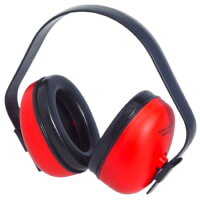
- Earmuffs: Earmuffs are easy to use and can provide similar protection as earplugs, with the advantage of being reusable.
- Noise-Canceling Headphones: For those working in environments with fluctuating noise levels, noise-canceling headphones can be an excellent option for reducing consistent background noise while allowing for communication.
2. Implement a Safe Work Schedule
Continuous exposure to high decibel levels can be more harmful than intermittent exposure. It’s essential to implement rest breaks to give your ears a chance to recover. For example, if you work in an environment with noise levels over 85 dB, aim for a 10-15 minute break for every hour of exposure.
3. Maintain Tools Properly
Poorly maintained tools can generate more noise than necessary. You can reduce unnecessary noise production by keeping blades sharp, machinery lubricated, and tools well-maintained. For example, a dull saw blade can produce more noise than a sharp one.
4. Use Noise Barriers and Damping Materials
Installing barriers, enclosures, or damping materials can reduce the overall noise level in a work environment. For example, surrounding noisy machinery with sound-absorbing materials can lower the decibel levels significantly. This is particularly important in workshop or construction settings where multiple tools are being used at once.
5. Educate Yourself and Your Team
Awareness is critical to preventing hearing loss. Conduct regular training sessions to ensure that workers are aware of the dangers of noise exposure and the importance of using hearing protection. Providing easy access to hearing protection and reinforcing its importance can go a long way in reducing NIHL in the workplace.
Legal Regulations and Standards
Both OSHA (Occupational Safety and Health Administration) and NIOSH (National Institute for Occupational Safety and Health) set guidelines for permissible noise exposure. For example, OSHA's permissible exposure limit is 90 dB for an 8-hour workday, while NIOSH recommends a more conservative limit of 85 dB. Employers are responsible for monitoring noise levels and providing adequate protection when these limits are exceeded. In industries with high noise levels, employers must also implement hearing conservation programs that include regular hearing tests and education on the use of HPDs.
For more information, visit OSHA's Noise Standards Page.
The Role of Personal Responsibility
While workplace safety regulations are essential, protecting your hearing is ultimately your responsibility. This means consistently wearing hearing protection, even if it’s for a brief task, and understanding the noise levels around you.
It’s also a good practice to schedule regular hearing tests, especially if you are regularly exposed to noise hazards. Early detection of hearing loss can lead to interventions that may slow further damage.
Conclusion
Noise hazards in the workplace and during DIY projects can pose a significant risk to your hearing. Understanding the risks associated with loud tools and taking proactive steps to protect your hearing are critical to preventing noise-induced hearing loss. By using the proper protective equipment, maintaining tools, and being mindful of exposure limits, you can safeguard your hearing for years to come.
Implement these measures, and you’ll be better prepared to protect your hearing from noise hazards in any environment.
Tagged Products


![Radians FP30-B250 Detour® 32 dB NRR Disposable Winged Foam Earplugs Uncorded [250 Pairs]](assets/images/_radians/thumbnails/Radians_FP30-B250_thumb.jpg)
![Radians FP30-B500 Detour® 32 dB NRR Disposable Winged Foam Earplugs Uncorded [500 Pairs]](assets/images/_radians/thumbnails/Radians_FP30-B500_thumb.jpg)
![Radians FP31 Detour® 32 dB NRR Disposable Winged Foam Earplugs Corded [1000 Pairs]](assets/images/_radians/alt200/Radians_FP31_ALT1.jpg)
![Radians FP34-BG50 Deterrent® 32 dB NRR Soft Disposable Foam Uncorded Earplugs [50 Pairs]](assets/images/_radians/thumbnails/Radians_FP34_thumb.jpg)
![Radians FP70ABG50 Resistor® 32 Foam Earplugs Bag Uncorded Aqua - [Bag of 50 Pairs]](assets/images/_radians/thumbnails/Radians_FP70ABG50_thumb.jpg)
![Radians FP70-B500 Resistor® Disposable Foam Earplugs 32 dB NRR Uncorded Orange [500 Pairs]](assets/images/_radians/thumbnails/Radians_FP70-B500_thumb.jpg)
![Radians FP70BG50 Resistor® Disposable Foam Earplugs 32 dB NRR Orange [Bag of 50 Pairs]](assets/images/_radians/thumbnails/Radians_FP70BG50_thumb.jpg)
![Radians FP71 Resistor® Disposable Foam Earplugs Corded 32 dB NRR [1000 Pairs]](assets/images/_radians/alt200/Radians_FP71_ALT1.jpg)
![Radians FP74 Prohibitor® Small Disposable Foam 31 dB NRR Uncorded Earplugs Blue [2000 Pairs]](assets/images/_radians/thumbnails/Radians_FP74_thumb.jpg)
![Radians RB2100 Rad-Band™ Orange Reusable Banded Earplugs 25 dB NRR [1 PAIR]](assets/images/_radians/thumbnails/Radians_RB2100_thumb.jpg)
![Radians RB2100 Rad-Band™ Yellow Reusable Banded Earplugs 25 dB NRR [1 PAIR]](assets/images/_radians/thumbnails/Radians_RB2120_thumb.jpg)

![Radians TR0HVG-BX TRPX™ High Visibility 29 dB NRR Earmuff Hi-Viz Green [1 PAIR]](assets/images/_radians/thumbnails/Radians_TR0HVG-BX_thumb.jpg)
![Radians TR0HVO-BX TRPX™ High Visibility 29 dB NRR Earmuff Hi-Viz Orange [1 PAIR]](assets/images/_radians/thumbnails/Radians_TR0HVO-BX_thumb.jpg)
![Radians XC0130CS X-Caliber™ 22 dB NRR Youth Earmuff, Back and Red [1 PAIR]](assets/images/_radians/thumbnails/Radians_XC0130CS_thumb.jpg)
