Logo200.png)

Introduction
Screwdrivers are essential tools in any toolkit, whether for professional tasks or DIY projects around the house. However, with the availability of both manual and electric screwdrivers, choosing the right one for your needs can take time and effort. This guide’ll compare manual and electric screwdrivers, exploring their features, benefits, and ideal uses. By the end, you’ll know when to use each type for optimal efficiency and results.
1. Manual Screwdrivers
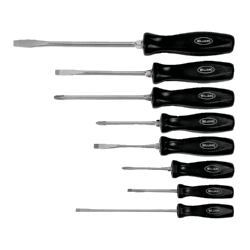
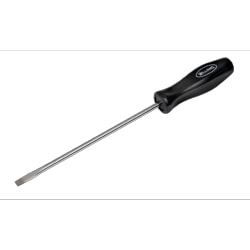
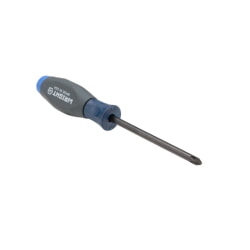
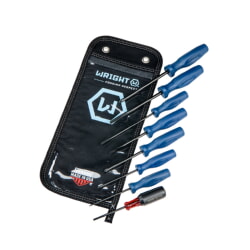
Overview: Manual screwdrivers are the traditional hand tools that have been around for decades. They require physical effort to turn screws and are available in various types, including flathead, Phillips, and Torx.
Best For: Precision tasks, small projects, and situations where control is paramount.
Key Features:
- No Power Needed: Operates without batteries or electricity, making it reliable.
- Variety of Heads: Available in multiple head types and sizes for different screws.
- Precision Control: Allows for better control and precision, especially in delicate tasks.
Pros:
- Ideal for tasks requiring fine control and precision.
- No need for batteries or charging, always ready to use.
- Lightweight and portable.
Cons:
- Requires more physical effort, especially for long tasks or tight screws.
- Can be slower compared to electric screwdrivers.
Pro Tip: Keep a set of manual screwdrivers in your toolbox for small, detailed tasks that require precision and control, such as electronics work or assembling small furniture.
2. Electric Screwdrivers
Overview: Electric screwdrivers are powered tools designed to make driving screws faster and easier. They come in various forms, from corded to cordless models, and are ideal for repetitive tasks or situations where speed is essential.
Best For: Large projects, repetitive tasks, and situations where speed and efficiency are needed.
Key Features:
- Powerful Motor: Drives screws quickly with minimal effort.
- Corded and Cordless Options: Choose based on mobility needs; cordless models offer flexibility, while corded ones provide consistent power.
- Adjustable Torque Settings: Allows for customization based on the task at hand.
Pros:
- Greatly reduces physical effort, making it easier to drive screws.
- Saves time, especially on large or repetitive projects.
- Adjustable settings offer versatility for different materials.
Cons:
- Requires charging or access to a power source.
- Less control compared to manual screwdrivers, which can lead to over-tightening.
Pro Tip: Use an electric screwdriver for large-scale projects or when you have many screws to drive. Ensure it’s fully charged or plugged in before starting your work to avoid interruptions.
Conclusion
Choosing Between Manual and Electric Screwdrivers: The choice between manual and electric screwdrivers depends on the task. Manual screwdrivers excel in precision and control, ideal for delicate or small-scale projects. In contrast, electric screwdrivers offer speed and convenience, perfect for larger jobs or when you need to drive many screws quickly. Having both types in your toolkit ensures you’re prepared for any task.
Explore More: At Abolox, we offer a wide range of both manual and electric screwdrivers to meet your needs. Visit our screwdriver collection to find the perfect tools for your next project.
Tagged Products