Logo200.png)

Introduction
When it comes to power tools, both impact drivers and drills are essential for a wide range of tasks. However, while they might seem similar at first glance, they serve distinct purposes and are designed for different types of jobs. Understanding the key differences between these two tools can help you choose the right one for your project.
In this guide, we’ll break down the features, uses, and benefits of impact drivers and drills, helping you determine which tool is best suited for your needs.
1. Impact Drivers

Overview: Impact drivers are powerful tools specifically designed for driving screws and bolts with high torque. They use concussive rotational force, making them ideal for tough jobs that require more power than a standard drill.
Best For: Driving long screws, bolts, and fasteners into dense materials such as wood, metal, and masonry.
Key Features:
- High Torque Output: Delivers more torque than a standard drill, making it easier to drive screws into tough materials.
- Compact Design: Typically smaller and lighter than drills, allowing for better maneuverability in tight spaces.
- Hex Shank Compatibility: Uses 1/4-inch hex shank bits, which are easy to swap out and secure during heavy-duty use.
Pros:
- Excellent for driving screws and bolts, especially in hard materials.
- Compact and lightweight, reducing user fatigue.
- Quick bit changes with hex shank compatibility.
Cons:
- Less versatile than a drill, as it is primarily designed for driving fasteners.
- Not ideal for drilling precise holes.
Pro Tip: Use an impact driver when you need to drive screws or bolts into dense materials quickly and efficiently. Pair it with high-quality impact-rated bits for the best performance.
2. Drills
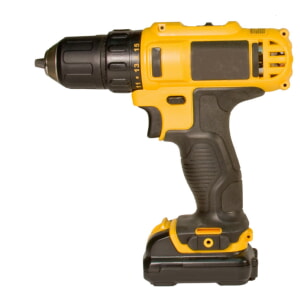
Overview: Drills are versatile tools used for both drilling holes and driving screws. They operate with a steady rotational force, making them suitable for a wide range of applications, from woodworking to metalworking.
Best For: Drilling holes in wood, metal, plastic, and other materials, as well as driving screws for general-purpose tasks.
Key Features:
- Variable Speed Control: Allows for precise control over the speed, making it easier to start holes and avoid damaging materials.
- Chuck Compatibility: Accommodates a wide variety of bit types and sizes, providing greater versatility.
- Hammer Function (on some models): Adds an additional impact force for drilling into masonry and concrete.
Pros:
- Versatile, capable of both drilling and driving tasks.
- Ideal for precision work, thanks to variable speed control.
- Wide range of compatible bits and attachments.
Cons:
- Lower torque compared to an impact driver, making it less effective for driving long screws or bolts into dense materials.
- Bulkier and heavier than most impact drivers.
Pro Tip: Choose a drill for tasks that require precision and versatility. Opt for a model with variable speed control and a hammer function if you plan to drill into masonry or concrete.
Conclusion
Choosing Between an Impact Driver and a Drill: The decision between an impact driver and a drill depends on the specific needs of your project. Impact drivers excel at driving screws and bolts into tough materials with high torque, making them ideal for heavy-duty tasks. Drills, on the other hand, offer greater versatility and precision, suitable for both drilling holes and driving screws in a variety of materials. Having both tools in your arsenal ensures you’re prepared for any job.
Explore More: At Abolox, we offer a wide selection of impact drivers and drills to meet your needs. Visit our power tools collection to find the perfect tools for your next project.
Tagged Products
![Alfa Tools AE60629 1/2" x 6" Long High-Speed Steel Aircraft Extension Drill [6 Pack]](assets/images/alfa/a/thumb/air-extension_thumb.jpg)