Logo200.png)

Introduction
Hammers are one of the most essential tools in any toolbox, and they are used across various trades and DIY projects. However, not all hammers are created equal. Different types are designed for specific tasks, and choosing the right one can significantly impact the quality and efficiency of your work. In this guide, we’ll compare three popular types of hammers: Claw, Ball Peen, and Sledge Hammers. We’ll explore their features, benefits, and ideal uses to help you decide which hammer best suits your needs.
1. Claw Hammer
Overview: The claw hammer is perhaps the most recognized and widely used hammer type. It features a flat head for driving nails and a curved claw on the opposite side for pulling them out.
Best For: General-purpose tasks, such as driving and removing nails, carpentry, and home repairs.
Key Features:
- Curved Claw: Allows for easy nail removal without damaging the surrounding surface.
- Flat Head: Ideal for driving nails into wood and other materials.
- Comfortable Handle: Often made with a cushioned grip for reduced hand fatigue.
Pros:
- Versatile and suitable for a wide range of tasks.
- Essential for any toolbox, particularly for carpentry and DIY projects.
- Easy to use, even for beginners.
Cons:
- Not suitable for heavy-duty tasks or working with metal.
- Limited to driving and removing nails.
Pro Tip: Keep a claw hammer in your toolbox for everyday tasks and home repairs. It’s a reliable, all-purpose tool.
2. Ball Peen Hammer
Overview: The ball peen hammer, also known as a machinist's hammer, has a rounded peen opposite the flat striking face. It’s designed for metalworking tasks, such as shaping metal and peening rivets.
Best For: Metalworking, shaping and smoothing metal, and driving punches and chisels.
Key Features:
- Rounded Peen: Ideal for shaping and smoothing metal surfaces.
- Flat Striking Face: Used for general striking tasks, particularly in metalworking.
- Durable Construction: Typically made from hardened steel to withstand heavy use.
Pros:
- Essential for metalworking and shaping tasks.
- Provides more control when working with metal.
- Durable and long-lasting.
Cons:
- Not versatile; limited to specific metalworking tasks.
- Heavier than other types of hammers, which might cause fatigue over long periods.
Pro Tip: Use a ball peen hammer to achieve smooth and precise results for metalworking projects.
3. Sledge Hammer
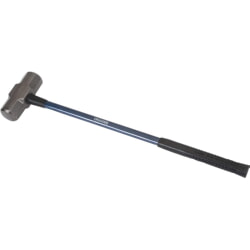
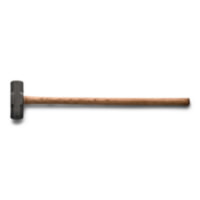
Overview: The sledgehammer is a heavy-duty tool with a large, flat head designed for delivering powerful blows. It’s used in demolition, driving stakes, and breaking up concrete and other hard materials.
Best For: Demolition, driving stakes, and breaking up concrete, stone, or other hard materials.
Key Features:
- Heavy, Flat Head: Delivers maximum force with each strike.
- Long Handle: Provides leverage for powerful swings.
- Heavy-Duty Construction: Built to withstand extreme impact and force.
Pros:
- Ideal for heavy-duty tasks and demolition work.
- Provides significant force with minimal effort.
- Built for durability and long-term use.
Cons:
- Not suitable for precise or delicate tasks.
- Requires strength and can be tiring to use over extended periods.
Pro Tip: Reserve your sledge hammer for the toughest jobs, like breaking up concrete or driving stakes into the ground.
Conclusion
Choosing the Right Hammer: The best hammer for your project depends on the task at hand. Claw hammers are versatile and perfect for general use, ball peen hammers excel in metalworking, and sledge hammers are indispensable for heavy-duty demolition work. Having all three types ensures you're prepared for any job that comes your way.
Explore More: At Abolox, we offer a wide selection of high-quality hammers to suit any need. Visit our hammer collection to find the perfect tool for your next project.
Tagged Products