Logo200.png)
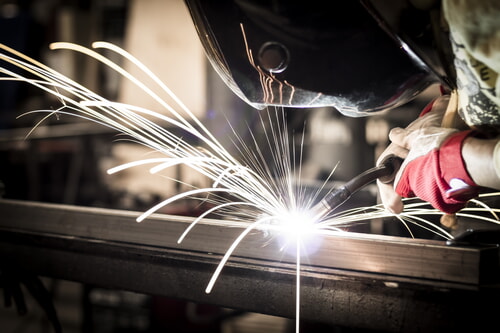
Welding Protection Safety Tips: Ensuring a Safe Welding Environment
Introduction:
Welding is a vital process used in various industries, but it poses significant hazards if proper safety measures are not followed. Welders are exposed to risks such as arc flash, toxic fumes, heat, and flying debris. This article provides essential welding protection safety tips to ensure a safe working environment, protect welders' health, and minimize the potential for accidents and injuries.
Wear Proper Personal Protective Equipment (PPE): Wearing appropriate personal protective equipment is crucial during welding operations.
The following PPE is recommended:
- Welding helmet: Choose a helmet with a proper shade level suitable for the welding process. Ensure it is in good condition, provides adequate coverage, and has a clear, undamaged lens.
- Protective clothing: Wear fire-resistant clothing made of leather or flame-retardant cotton to protect against sparks, slag, and UV radiation. This includes welding jackets, long-sleeved shirts, pants without cuffs, and high-top leather boots.
- Eye and face protection: Use safety glasses with side shields under your welding helmet to provide additional protection from flying debris and particles.
- Respiratory protection: When working in poorly ventilated areas or during specific welding processes, wear a NIOSH-approved respirator to protect against harmful fumes, gases, and airborne contaminants.
- Hand and body protection: Wear welding gloves made of flame-resistant material to protect hands from burns, sparks, and sharp objects. Additionally, wear welding aprons or sleeves for added protection.
Ensure Proper Ventilation:
Welding produces hazardous fumes and gases that can be harmful when inhaled. Perform welding operations in well-ventilated areas to minimize exposure to these substances. If working indoors, use local exhaust ventilation systems or portable fume extractors to capture and remove fumes at the source. Adequate ventilation helps maintain a safe breathing environment and reduces the risk of respiratory ailments.
Maintain a Clean and Clutter-Free Work Area:
Maintain a clean work area free of combustible materials, such as oil, grease, or solvents, to prevent fire hazards. Remove any debris from the welding area, including scraps, rags, or flammable substances. Keep fire extinguishers readily available and ensure everyone knows their locations and how to use them in case of emergencies.
Properly Ground Your Equipment:
Ensure all welding equipment is grounded to prevent electrical hazards. Grounding helps prevent electric shock and reduces the risk of electrical fires. Regularly inspect cables, clamps, and connections for damage or wear; replace or repair them as needed. Follow manufacturer guidelines and applicable regulations when grounding equipment.
Practice Fire Prevention:
Welding operations involve intense heat, sparks, and open flames, making fire prevention crucial. Take the following precautions:
- Clear the area of flammable materials and ensure the workspace is fire-resistant.
- Use fire-resistant welding blankets or curtains to protect nearby combustible surfaces from sparks and heat.
- Have a fire watch personnel designated to monitor the welding area during and after operations.
- Keep fire extinguishers suitable for nearby fire hazards and regularly inspect and maintain them.
Implement Proper Welding Techniques:
Adhering to proper welding techniques is essential for safety. Ensure that welders are trained and competent in their specific welding processes. Avoid welding in awkward or uncomfortable positions that can lead to fatigue or strain. Use appropriate welding screens or barriers to protect nearby workers from arc flash and UV radiation.
Establish Emergency Procedures:
Develop and communicate clear emergency procedures for welding operations. This includes procedures for responding to injuries, fires, chemical spills, or other emergencies. Train all personnel on these procedures and conduct regular drills to ensure everyone is prepared to respond effectively in case of an emergency.
Conclusion:
Implementing these welding protection safety tips is crucial to safeguard welders' health, prevent accidents, and maintain a secure welding environment. Welding operations can be conducted with the utmost safety and protection by wearing proper PPE, ensuring proper ventilation, maintaining cleanliness and organization, practicing fire prevention, grounding equipment correctly, employing proper welding techniques, and establishing emergency procedures.
