Logo200.png)
Protecting Workers in the Mining Industry
Introduction:
Mining is a vital industry that provides essential resources, but it involves inherent risks and hazards that require strict adherence to safety protocols. The safety of miners is of utmost importance to prevent accidents, injuries, and health issues. This article presents essential mining safety tips to create a secure working environment and promote the well-being of mining personnel.
Conduct Comprehensive Safety Training:
Proper safety training is the foundation of a safe mining operation. Ensure all workers receive comprehensive training on mining-specific hazards, safety procedures, and emergency protocols. This includes training on equipment operation, hazard recognition, ventilation systems, personal protective equipment (PPE) usage, and communication protocols. Regularly update and reinforce safety training to inform miners about best practices and regulatory changes.
Use Appropriate Personal Protective Equipment (PPE):
Mining activities expose workers to various hazards, including falling objects, airborne particles, noise, and chemicals. It is crucial to wear appropriate PPE to minimize the risk of injuries and illnesses.
Some essential PPE for mining includes:
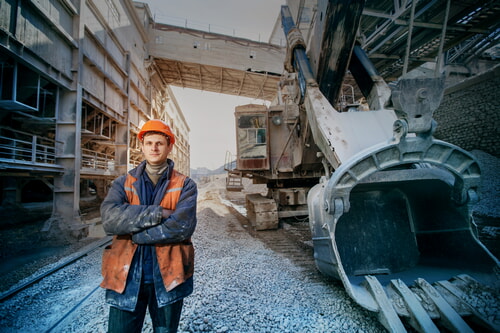
- Hard hats: Protect the head from falling objects, overhead hazards, and impacts.
- Safety goggles or face shields: Shield the eyes and face from debris, dust, and chemicals.
- Respiratory protection: Use respiratory devices, such as masks or respirators, when working in areas with poor ventilation or exposure to harmful gases, dust, or fumes.
- High-visibility clothing: Ensure workers are visible to others in the mining area, especially in low-light conditions or around moving equipment.
- Steel-toed boots: Provide foot protection from heavy objects and potential crushing hazards.
- Hearing protection: Use earplugs or earmuffs in noisy areas to prevent hearing loss.
Conduct Regular Equipment Inspections:
Regular inspections of mining equipment are essential for identifying and addressing potential hazards or maintenance issues. Inspect machinery, vehicles, and tools before each use to ensure they are in proper working condition. Promptly repair or replace any faulty or damaged equipment. Establish a routine maintenance schedule to prevent breakdowns and ensure optimal performance.
Follow Safe Material Handling Practices:
Mining involves the handling of heavy materials and equipment. Follow safe lifting and material handling practices to prevent strains, sprains, and other musculoskeletal injuries. Use proper lifting techniques, such as bending at the knees and using the legs to lift objects, rather than the back. When handling heavy loads, seek assistance or use mechanical aids, such as cranes or forklifts. Store materials in designated areas to prevent tripping hazards.
Implement Effective Communication Systems:
Clear communication is vital in mining operations to prevent accidents and ensure the safety of workers. Establish robust communication systems, such as two-way radios, signal systems, and alarms, to enable effective communication among team members, supervisors, and emergency response personnel. Provide training on communication protocols and ensure that workers understand and use them consistently.
Maintain Proper Ventilation and Dust Control:
Poor air quality and excessive dust can pose significant health risks in mining environments. Implement effective ventilation systems to ensure an adequate supply of fresh air and remove harmful gases, dust, and fumes. Regularly clean work areas and use dust control measures, such as water sprays or dust collectors, to minimize airborne dust and maintain a healthier work environment.
Practice Safe Electrical Procedures: Mining operations involve extensive electrical systems, posing fire and electrocution hazards if improperly handled.
Follow proper electrical procedures, including:
- Ensure that electrical systems are properly installed, grounded, and regularly inspected.
- Implement lockout/tagout procedures when working on electrical equipment to prevent unexpected energization.
- Only allow qualified electricians or authorized personnel to work on electrical systems or perform repairs.
- Train workers on electrical safety, including recognizing electrical hazards and how to respond to electrical emergencies.
Conclusion:
Mining safety is paramount to protect workers and prevent accidents in the mining industry. Mining operations can be conducted securely by implementing comprehensive safety training, using appropriate PPE, conducting regular equipment inspections, practicing safe material handling, establishing effective communication systems, maintaining proper ventilation and dust control, and following safe electrical procedures. Prioritizing safety ensures the well-being of miners and promotes a productive and sustainable mining industry.
