Logo200.png)
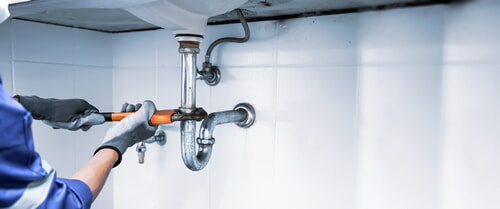
Plumbing Safety Tips: Ensuring a Safe and Effective Plumbing Experience
Introduction:
Plumbing work is an essential aspect of building maintenance and construction. However, it involves potential hazards that can lead to accidents or injuries if proper safety measures are not followed. This article presents essential safety tips for creating a safe working environment, protecting plumbers' well-being, and ensuring efficient and effective plumbing operations.
Wear Appropriate Personal Protective Equipment (PPE):
Plumbers should always wear the necessary personal protective equipment to minimize the risk of injuries.
Some essential PPE for plumbing work includes:
- Protective eyewear: Use safety glasses or goggles to shield the eyes from potential hazards, such as debris, chemicals, or splashing liquids.
- Hand protection: Wear gloves, preferably made of a material that provides both comfort and grip, to protect hands from cuts, abrasions, and chemical exposure.
- Foot protection: Use sturdy, slip-resistant footwear with protective toe caps to prevent injuries from falling objects, sharp tools, or potential slips and trips.
- Respiratory protection: When working in areas with poor ventilation or potential exposure to harmful substances, such as dust or fumes, use respirators or masks to protect the respiratory system.
Use Proper Tools and Equipment:
Using the right tools and equipment for plumbing tasks is crucial for both efficiency and safety. Ensure that tools are in good condition, with handles and grips intact. Use tools specifically designed for plumbing work and avoid makeshift or improvised tools that may increase the risk of accidents or injuries.
Follow Safe Work Practices:
Safe work practices prevent accidents and maintain a safe working environment.
Some key practices include:
- Proper body mechanics: Lift heavy objects using the legs, not the back, to prevent strains and injuries. Avoid awkward postures or overreaching that can lead to muscle strains or falls.
- Good housekeeping: Keep work areas clean and organized, ensuring that tools, materials, and equipment are properly stored. This helps prevent trips, slips, and falls.
- Electrical safety: If plumbing work involves electrical components or near electrical sources, follow proper electrical safety protocols, such as shutting off power before working on electrical connections. Seek assistance from a qualified electrician when necessary.
- Chemical handling: Be cautious when handling chemicals like drain cleaners or solvents. Follow manufacturer instructions, use appropriate PPE, and ensure proper ventilation when working with potentially hazardous substances.
Be Mindful of Confined Spaces:
Plumbing work may require entering confined spaces, such as crawl spaces or utility vaults. Before entering such spaces, ensure proper ventilation, adequate lighting, and a means of communication. Follow confined space entry protocols and work with a partner who can standby or monitor your safety from outside the space.
Prevent Water and Gas Leaks:
Water and gas leaks pose significant safety risks.
Take the following precautions:
- Shut off water and gas supplies before starting any plumbing work. Familiarize yourself with the location of shut-off valves.
- Use leak detection devices or methods to identify potential leaks before starting repairs or installations.
- When working on gas lines, be cautious of gas odors and signs of a gas leak. Evacuate the area and contact the gas company if a gas leak is suspected.
Seek Professional Help When Needed:
Plumbing work can vary in complexity, and certain tasks require professional expertise. Don't hesitate to seek professional help for complex or specialized plumbing projects to ensure the work is done safely and efficiently.
Conclusion:
These safety tips protect plumbers' well-being and ensure effective plumbing operations. Plumbing work can be conducted safely and efficiently by wearing appropriate PPE, using proper tools and equipment, following safe work practices, being mindful of confined spaces, preventing water and gas leaks, and seeking professional help. Prioritizing safety protects plumbers and contributes to plumbing projects' overall success and quality.
