Logo200.png)
Posted by Oil and Gas Safety Experts on 7/14/2023 to
Personal Protective Equipment
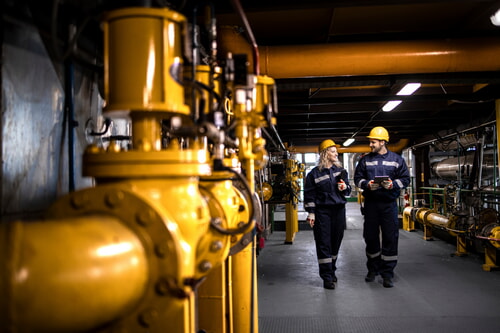
Oil and Gas Safety Tips: Promoting a Secure Work Environment
Introduction:
The oil and gas industry is crucial in powering our modern world. However, it also involves inherent risks that require stringent safety measures to protect the well-being of workers and the surrounding environment. This article highlights essential safety tips to promote a secure work environment in the oil and gas industry, reducing the risk of accidents and ensuring the health and safety of all personnel involved.
Adhere to Safety Procedures and Regulations:
Compliance with safety procedures and regulations is paramount in the oil and gas industry. Familiarize yourself with and strictly follow all safety guidelines from your company and relevant regulatory agencies. This includes understanding emergency response plans, proper handling of hazardous materials, and protocols for operating equipment and machinery.Personal Protective Equipment (PPE):
Wearing appropriate personal protective equipment (PPE) is crucial for safeguarding against potential hazards in the oil and gas industry. Some essential PPE items include hard hats, safety goggles, face shields, fire-resistant clothing, gloves, and safety boots. Use the provided PPE correctly, ensuring a proper fit and regular maintenance or replacement when necessary.Conduct Regular Safety Training:
Oil and gas workers need continuous safety training. Participate in regular safety programs and training sessions provided by your company. These sessions cover topics such as hazard identification, emergency response, first aid, confined space entry, and proper handling of chemicals. Stay updated with the latest safety protocols and best practices to enhance your knowledge and preparedness.Hazardous Material Handling:
The oil and gas industry involves working with various hazardous materials. Always follow proper procedures for handling, storing, and disposing of these materials. This includes using appropriate containers, labeling them correctly, and ensuring proper ventilation in areas where hazardous substances are present. Familiarize yourself with Material Safety Data Sheets (MSDS) for chemicals you work with and adhere to guidelines for their safe use.Equipment Inspection and Maintenance:
Regular inspection and maintenance of equipment and machinery are vital for safety. Inspect tools, vehicles, and machinery before use to ensure they are in good working condition. Report any defects or malfunctions promptly to supervisors or maintenance personnel. Follow the recommended maintenance schedule and conduct periodic inspections to identify potential hazards or signs of wear.Electrical Safety:
Electrical hazards are present in many oil and gas operations. To prevent electrical accidents, ensure that electrical equipment is properly grounded, and only qualified personnel handle electrical connections. Follow lockout/tagout procedures when working on electrical systems to prevent unexpected energization. Be vigilant for potential electrical hazards and report them immediately.Fire Safety:
Fire hazards are a significant concern in the oil and gas industry. Follow fire prevention protocols and maintain good housekeeping practices. Keep work areas clean and free from combustible materials. Familiarize yourself with the location and proper use of fire extinguishers and emergency shutdown procedures. Participate in fire drills and understand evacuation routes to respond effectively in the event of a fire emergency.Confined Space Safety:
Working in confined spaces, such as storage tanks or vessels, requires specific safety precautions. Before entering a confined space, ensure proper ventilation, atmospheric testing, and the presence of a designated standby person. Follow confined space entry procedures, use appropriate PPE, and be aware of rescue and emergency procedures specific to confined spaces.Communication and Reporting:
Maintaining effective communication and reporting systems is crucial for safety. Report all incidents, near misses, and hazards to supervisors or the designated safety department. Encourage open communication within your team, fostering a culture of safety awareness and proactive risk mitigation.
Conclusion:
Safety is paramount in the oil and gas industry to protect workers, the environment, and the surrounding communities.
