Logo200.png)
Introduction:
In the world of fasteners and fittings, the choice between using hex keys and screwdrivers can significantly impact the efficiency and quality of your work. Both tools and the fasteners serve specific purposes, and understanding their strengths and weaknesses is essential for the weekend warrior or a daily professional. In this blog, we'll explore the differences between hex keys and screwdrivers and guide you in choosing the right tool and fastener for the job.
Hex Keys: Precision in a Compact Package

Hex keys, also known as Allen or hex wrenches, are compact tools designed to fit hexagonal sockets found in screws, bolts, and other fasteners. They come in various sizes and are commonly available in metric and imperial measurements. The hexagonal shape of the tool provides multiple contact points with the fastener, minimizing the risk of slipping and allowing for better torque application.
Advantages of Hex Keys:
- Precise Fit: The hexagonal shape ensures a snug fit, reducing the chance of stripping the fastener.
- Compact Design: Hex keys are small and lightweight, making them easy to carry and use in tight spaces.
- Variety of Sizes: They are available in various sizes and are suitable for various fasteners.
- Higher Torque: The hexagonal shape allows for greater torque application compared to some screwdrivers.
Screwdrivers: Versatile and Essential
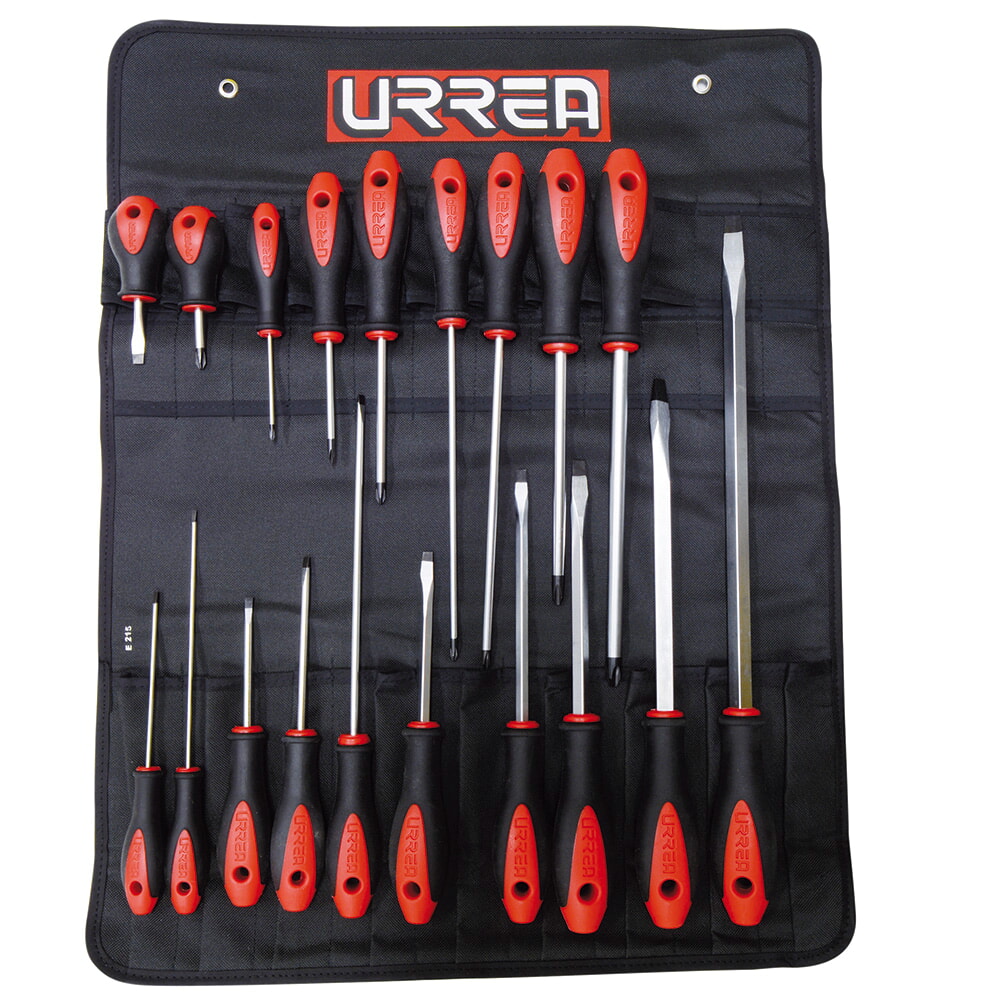
Screwdrivers come in various shapes and sizes, each designed for specific screw types and applications. They are indispensable tools for various tasks, from assembling furniture to electronics repair. Screwdrivers are available in different types, including flathead, Phillips, Torx, and more, each tailored to fit corresponding screw heads.
Advantages of Screwdrivers:
- Versatility: Screwdrivers come in various types to accommodate different screw head designs.
- More comprehensive Range of Applications: They can be used for more than just tightening screws – prying, scraping, and other tasks are also possible.
- Ease of Use: Screwdrivers are familiar tools and require minimal technique to operate effectively.
- Greater Reach: A screwdriver's length provides an extended reach for screws located in deeper or hard-to-reach areas.
Choosing the Right Tool: Factors to Consider
When deciding between hex keys and screwdrivers, consider the following factors:
- Fastener Type: Determine the screws or fasteners you'll be working with. Hex keys are ideal for hexagonal sockets, while screwdrivers cater to various screw head types.
- Torque Requirements: A hex key might be more suitable due to its design if the task requires higher torque.
- Space Constraints: A hex key's compact design shines in tight spaces. For more versatile tasks, a screwdriver might be preferable.
- Precision vs. Versatility: Hex keys excel in precision work, while screwdrivers offer broader versatility.
- Tool Availability: Assess the availability of the tools you need in your toolkit.
Conclusion: Making the Best Choice
Hex keys and screwdrivers are indispensable tools, each with strengths and ideal applications. For tasks involving hexagonal sockets and requiring precision, opt for hex keys. When versatility and ease of use are paramount, screwdrivers are the go-to option. To make the right choice, assess the specific requirements of your project, the type of fastener you're dealing with, and your workspace limitations.
Tagged Products

![Williams JHWHK-14MM L-Type Hex Key Metric 14 mm (1-1/2"H x 6"L) [5 PACK]](assets/images/williams/thumbnails/Williams-JHWHK-2MM-L-Type-Hex-Keys-Black-Finish_thumb.JPG)
![Williams JHWHK-9/64 L-Type Hex Key, Black SAE 9/64" (25/32"H x 2-3/8"L) [25 PACK]](assets/images/williams/thumbnails/Williams-JHWHK-050-L-Type-Hex-Keys-Black-Finish_thumb.JPG)