Logo200.png)

Revealing The Complete Guide to Structural Wrenches
Are you prepared to revolutionize your construction and industrial projects? Brace yourself for an essential resource that will reshape your approach to structural tasks – introducing "The Complete Guide to Structural Wrenches: Types, Sizes, and Applications." This guide isn't just a compilation of information; it's your passport to enhancing your craftsmanship, efficiency, and project outcomes.
Introduction
Structural wrenches are essential in construction and industrial settings, enabling workers to precisely assemble, disassemble, and maintain structural components. These wrenches come in various types and sizes, each designed to tackle specific tasks in different applications. In this comprehensive guide, we'll explore the world of structural wrenches, delving into their types, sizes, and the diverse applications they serve.
Understanding Structural Wrenches
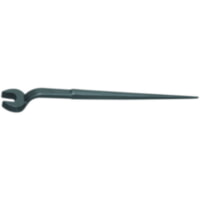
Structural wrenches are heavy-duty tools designed to handle the unique demands of construction and heavy industry. They are known for their durability, strength, and ability to provide high torque for tightening or loosening large bolts and nuts used in structural connections.
Types of Structural Wrenches
- Open-End Wrenches: These feature U-shaped openings on both ends, allowing them to easily fit over nuts and bolts. Open-end wrenches are ideal for quickly turning fasteners but may lack the torque of other wrench types.
- Box-End Wrenches: These have a closed, box-like shape on one or both ends, providing better grip and torque. They are commonly used in applications requiring more force to tighten or loosen fasteners.
- Combination Wrenches: Combination wrenches feature both an open-end and a box-end on opposite sides. This versatile design allows workers to switch between the ends for different tasks.
- Socket Wrenches: Socket wrenches use interchangeable sockets that attach to a handle or ratchet. They provide excellent torque and are ideal for hard-to-reach areas.
Sizes of Structural Wrenches
Structural wrenches come in various sizes, typically measured in inches or millimeters. The size refers to the diameter of the nut or bolt they can fit onto. Standard sizes include 1/4", 3/8", 1/2", 3/4", 1", and larger.
Applications of Structural Wrenches
- Construction: Structural wrenches are indispensable on construction sites for assembling steel frames, bridges, and other structural components. They ensure secure connections that withstand the test of time.
- Industrial Maintenance: In industrial settings, structural wrenches maintain machinery, equipment, and large-scale structures, ensuring safe and efficient operations.
- Automotive and Aerospace: These wrenches find applications in the assembly and maintenance of vehicles, aircraft, and aerospace structures, where precise torque is crucial.
- Energy and Utilities: From power plants to utility infrastructure, structural wrenches tighten and secure heavy-duty bolts in critical applications.
- Oil and Gas: Structural wrenches in oil rigs and pipelines play a vital role in assembling and maintaining components that withstand extreme conditions.
- Mining and Quarrying: Heavy machinery used in mining and quarrying relies on structural wrenches for proper assembly and upkeep.
Choosing the Right Structural Wrench
Selecting the appropriate structural wrench depends on the task, environment, and the size of the nuts and bolts being worked on. Combination and socket wrenches are versatile choices, while box-end wrenches offer higher torque for heavy-duty applications.
ConclusionStructural wrenches are the backbone of construction, industry, and infrastructure. Their robust design, various types, and range of sizes make them invaluable tools for ensuring the stability and safety of structures that shape our world. Whether working on a skyscraper, maintaining a factory, or assembling machinery, the right structural wrench is your partner in precision and power. Understanding these wrenches' types, sizes, and applications empowers professionals to make informed choices that contribute to efficient and secure projects.
Tagged Products