Logo200.png)
Avoiding Common Screwdriver Mistakes
Screwdrivers are among the most fundamental tools in any toolkit, employed for many tasks, from assembling furniture to intricate DIY projects. Despite their simplicity, screwdrivers demand a certain finesse to ensure the best results while preserving the integrity of your work and tools. In this blog, we'll highlight common screwdriver mistakes people often make and provide insights on sidestepping these pitfalls for a more efficient and successful experience.
1. Using the Wrong Type of Screwdriver
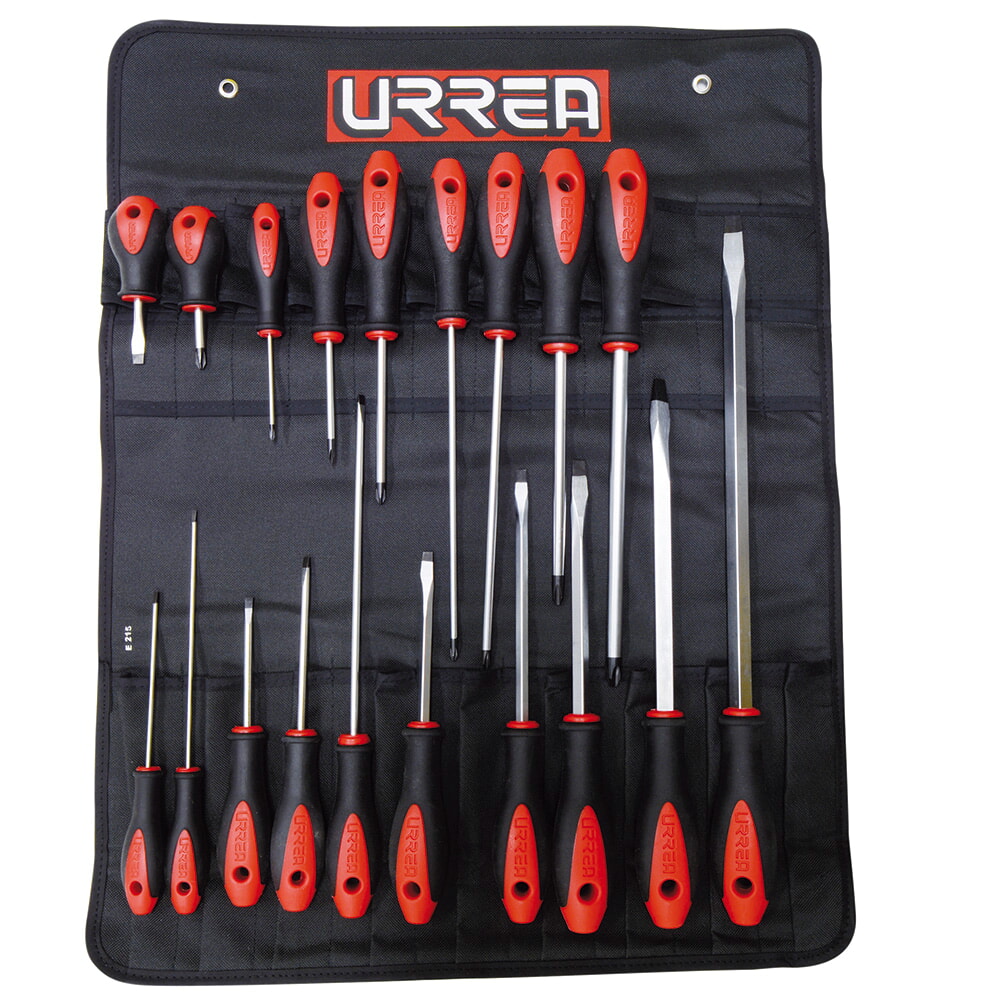
One of the primary mistakes is using the wrong type of screwdriver for a given screw head. This not only results in stripped screw heads but also hampers your ability to turn screws effectively.Solution: Familiarize yourself with the various screwdriver types, including flathead, Phillips, Torx, and more. Match the screwdriver to the screw head to achieve a snug fit and optimal torque application.
2. Poor Grip and Technique
,p>Inadequate grip and incorrect handling can lead to slippage, causing damage to both the screw head and the surface you're working on.Solution: Hold the screwdriver handle firmly, ensuring your hand is positioned towards the end for better control and pressure application. Maintain a downward pressure to prevent slippage.3. Over-Tightening Screws
Over-tightening screws can damage the fastener, surrounding material, or even create a raised surface.Solution: Apply gradual pressure while turning the screwdriver. Once you feel resistance, stop tightening to avoid any unnecessary strain on the screw or the material.
4. Under-Tightening Screws
Conversely, under-tightening screws can result in instability, loose connections, and eventual wear and tear.Solution: Apply enough pressure to ensure a snug fit between the screw and the material without straining the screwdriver or the material itself.
5. Ignoring Screwdriver Maintenance
Neglecting the maintenance of your screwdrivers can lead to decreased performance and potentially damage the screws and materials you're working with.Solution: Regularly inspect the tips of your screwdrivers for signs of wear or damage. Keep them clean and dry to prevent rust and ensure efficient performance.
6. Using Excessive Force
Using excessive force when turning screws can lead to stripped screw heads or even snap the screwdriver itself.Solution: Use steady and controlled force, allowing the screwdriver to do the work. Consider using a screwdriver with a longer handle for additional leverage if you encounter significant resistance.
7. Incorrect Alignment
Placing the screwdriver at an incorrect angle can lead to slipping, resulting in scratches and damage to the surrounding area.Solution: Align the screwdriver precisely with the screw head, ensuring it's straight and parallel. This minimizes the chances of slippage and ensures effective torque transfer.
8. Rushing the Task
Haste often leads to mistakes, especially when it comes to handling small components like screws.Solution: Take your time. Approach the task patiently, focusing on precision and proper technique rather than rushing to complete it quickly.
Summary
Screwdriver mistakes can be frustrating and damaging, but with some knowledge and attention, they can easily be avoided. By selecting the right screwdriver type, maintaining proper technique, applying controlled force, and taking your time, you'll achieve better results and preserve the quality of your work and your tools. Remember, mastery of the screwdriver comes with practice, patience, and a commitment to continuous improvement.
Tagged Products