Logo200.png)
Socket Set Guide: Deep vs. Shallow, Impact vs. Chrome
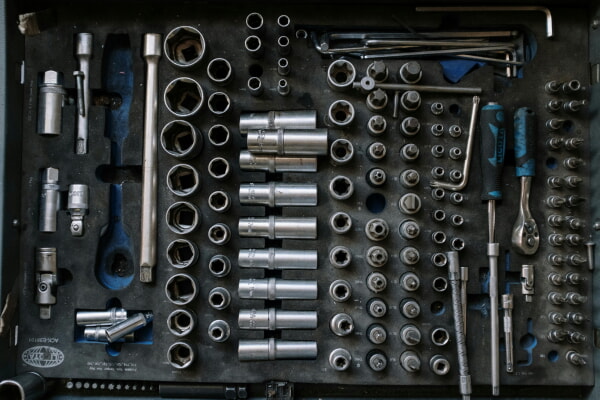
If you've ever stood in front of a wall of socket sets at a hardware store and felt a little overwhelmed, you're not alone. With terms like deep vs. shallow and impact vs. chrome being thrown around, it can be tough to know exactly what you need — especially if you're just getting into DIY repairs or building out your toolbox. Whether you're a weekend tinkerer or a seasoned mechanic, understanding the differences between socket types will help you make better decisions and get the job done right.
Deep vs. Shallow Sockets
Shallow sockets are your go-to for most everyday tasks. For instance, brake jobs, working under the hood, or tightening furniture bolts—they give you a snug fit and good torque — just don’t expect them to reach down into recessed nuts.
- Best for: Tight spaces and shorter bolts
- Advantages: Compact, easier to use in confined areas
- Limitations: Won’t reach nuts on long threaded bolts or studs
Deep sockets shine when you’re dealing with nuts set deeper onto a bolt or when the bolt itself protrudes beyond a shallow socket’s reach. They’re essential in automotive work and HVAC repairs.
- Best for: Long bolts, threaded rods, and recessed fasteners
- Advantages: Extra depth allows full nut coverage
- Limitations: May not fit in tight spaces
Pro Tip: If you can only pick one type, deep sockets offer more versatility — though they’re bulkier.
Impact vs. Chrome Sockets
Chrome sockets are the shiny, silver ones you’ll see in most socket sets. They’re tough, but they aren’t made for impact tools. Use them with hand ratchets or torque wrenches — not with an impact gun unless you want to risk shattering the socket.
- Material: Hardened steel, polished chrome finish
- Best for: Manual ratchets and light-duty power tools
- Pros: Rust-resistant, easy to clean, lightweight
- Cons: Not designed for high torque applications
Impact sockets are built for punishment. They’re black, bulky, and built with thicker walls to absorb torque from impact guns. If you're doing anything like removing rusted bolts or working with suspension components, these are the sockets you want.
- Material: Heat-treated chrome molybdenum (Cr-Mo) steel, black oxide coating
- Best for: Impact wrenches and high-torque applications
- Pros: Designed to flex under stress, less likely to crack
- Cons: Heavier, can rust if not maintained
Safety Note: Never use a chrome socket on an impact wrench. It might save a few seconds, but it could also shatter — and that’s a fast track to injury.
Which Socket Set Should You Buy?
This will depend on what you plan to do. Keep in mind the drive size (1/4", 3/8", 1/2", etc.) and whether the set includes both SAE and metric sizes—you'll probably need both at some point.
- For general home use: A standard chrome socket set with both shallow and deep sockets will cover most needs.
- For automotive or heavy-duty work: Get both impact and chrome sets. Use chrome for precision, and impact when you need power.
- If you’re just starting out: A versatile deep chrome socket set in 3/8" drive is a great middle-ground choice.
Conclusion
Having the right socket makes a huge difference — not just in how easy the job is, but in keeping your tools (and your knuckles) safe. By understanding what each type is designed for, you’ll avoid common pitfalls and save time in the long run. Next time you’re in the tool aisle, you won’t be staring blankly at socket sets. You’ll know exactly what to look for — and maybe even help the next confused shopper.
Tagged Products