Logo200.png)
How to Pick the Right Ear Protection for Your Worksite
When it comes to worksite safety, we often focus on hard hats, steel-toed boots, and hi-vis clothing—and ear protection gets overlooked. The truth is, repeated exposure to loud noise can lead to permanent hearing damage, and it's far more common than people think. Whether you’re working on a construction site, in manufacturing, or around heavy machinery, choosing the right ear protection isn't just smart—it’s essential.
1. Understand the Noise Level
If you're not sure how loud your worksite is, consider using a sound level meter or a noise-detecting app. If sound levels exceed 85 decibels (dB), hearing protection is required to ensure safety.
Here's a reference of some noise levels:
- Normal conversation: ~60 dB
- Lawnmower: ~90 dB
- Chainsaw: ~110 dB
- Jackhammer: ~120 dB
2. Know the Types of Hearing Protection
There are a few main types of ear protection suited for different needs:
- Foam Earplugs: Soft, disposable, and inserted into the ear canal. Ideal for occasional use or consistent noise levels.
- Reusable Earplugs: Made of silicone or rubber. More durable and washable, good for frequent use.
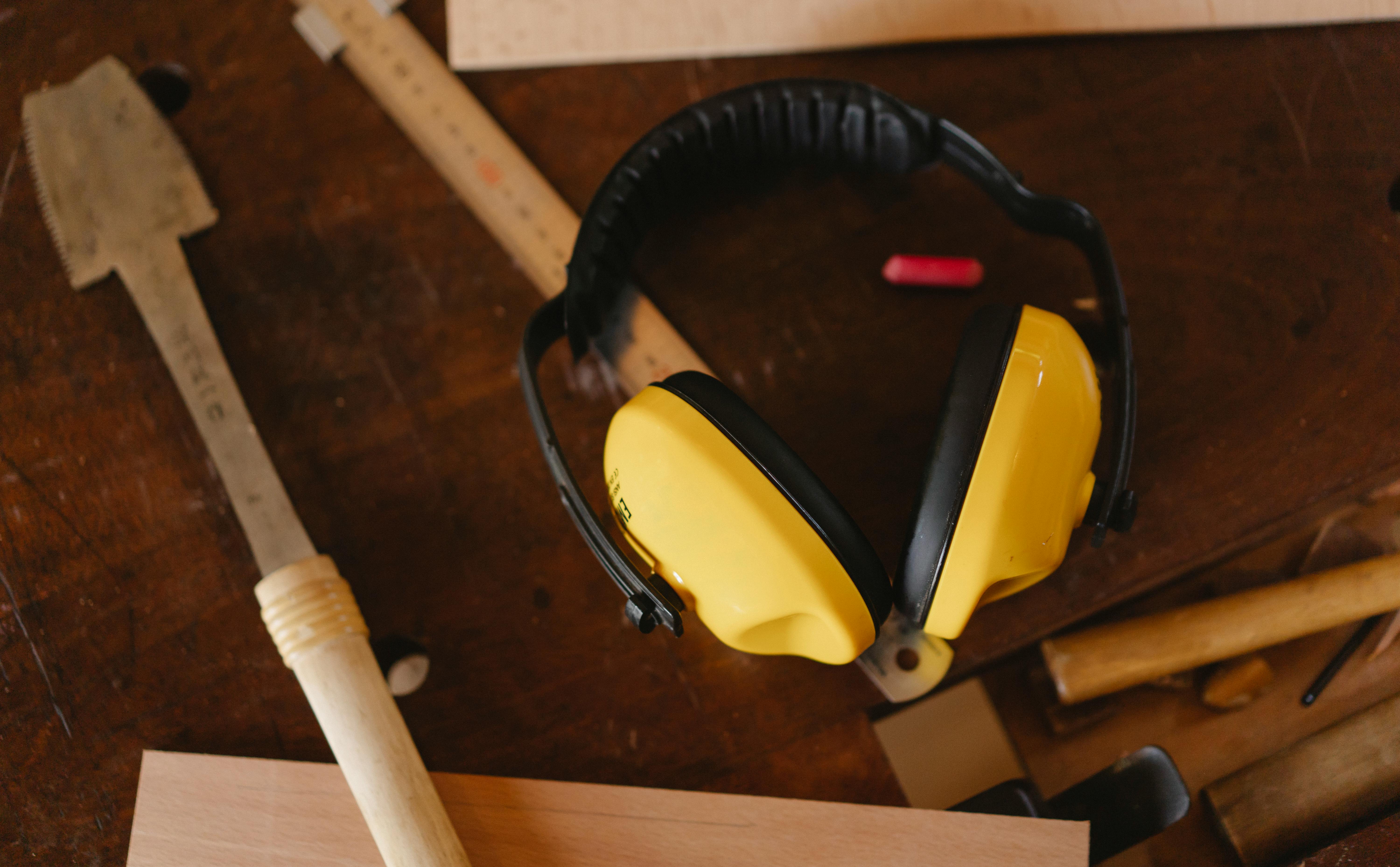
- Earmuffs: Worn over the ears and adjustable. Convenient for intermittent noise and available with communication features.
- Electronic Ear Protection: Blocks harmful noise while allowing speech and alerts to pass through—ideal for high-communication environments.
3. Consider Comfort and Fit
If ear protection is uncomfortable, people won’t wear it consistently. Look for options that:
- Fit well without causing pressure
- Are compatible with other PPE
- Allow communication if needed
4. Look at the NRR Rating
The Noise Reduction Rating (NRR) tells you how much sound the protection blocks. The higher the NRR, the more protection it provides.
Typical values include:
- Foam earplugs: ~30 NRR
- Earmuffs: ~20–30 NRR
- Earplugs + earmuffs (double protection): ~35–40 NRR
Choose protection based on your worksite’s noise level, aiming for a balance of safety and usability.
5. Think About the Work Environment
Environment matters when picking protection. Different environments call for different gear. Don’t just go for the most protective option—go for what makes sense for the job.
- Hot and humid sites: Earplugs are more breathable.
- Dusty environments: Consider earmuffs to avoid debris entering the ear canal.
- High-communication tasks: Electronic hearing protection allows speech while blocking noises.
6. Train and Enforce Use
The best protection is the one that’s actually worn and encourage a culture of safety to keep hearing damage at bay. Ensure to provide training on:
- Proper wear and fit
- When and where to use protection
- How to clean or replace equipment
Conclusion
Choosing the right ear protection isn’t a one-size-fits-all deal. It’s about what keeps your team safe, comfortable, and able to get the job done. Taking a little time to pick the right gear now can help protect their hearing down the road—and that’s definitely worth it. Visit Abolox’s Ear Protection page to explore the right products for your needs.
Tagged Products


![Radians FP30-B250 Detour® 32 dB NRR Disposable Winged Foam Earplugs Uncorded [250 Pairs]](assets/images/_radians/thumbnails/Radians_FP30-B250_thumb.jpg)
![Radians FP43 Resistor® II dB NRR 27 Reusable Flanged Corded Earplugs [100 Pairs Box]](assets/images/_radians/thumbnails/Radians_FP43_thumb.jpg)
![Radians FP70ABG50 Resistor® 32 Foam Earplugs Bag Uncorded Aqua - [Bag of 50 Pairs]](assets/images/_radians/thumbnails/Radians_FP70ABG50_thumb.jpg)
![Radians RB2100 Rad-Band™ Orange Reusable Banded Earplugs 25 dB NRR [1 PAIR]](assets/images/_radians/thumbnails/Radians_RB2100_thumb.jpg)
