Logo200.png)

Hi-Vis vs. Reflective Clothing: What’s the Difference—and Why It Matters
You’ve probably seen those bright orange vests with silver stripes—maybe you even wear one every day. But have you ever wondered what the difference is between hi-vis and reflective clothing? Is there a difference, or are they just two names for the same thing? If you work outdoors, near traffic, or in low-light environments, understanding how visibility gear works isn’t just helpful—it can literally save lives.
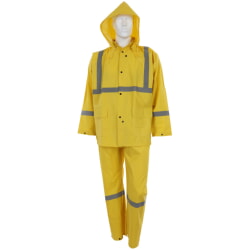
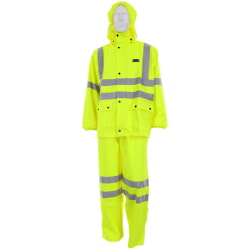
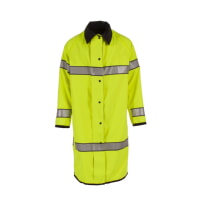
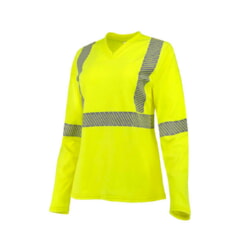
High-visibility (hi-vis) clothing is exactly what it sounds like—clothing that makes you easier to see. Usually, it comes in neon colors like lime yellow, safety orange, or bright green. You’ll spot it on highway crews, warehouse workers, and landscapers. This is recommended to use during the daytime as it's made with fluorescent materials that react with sunlight—even when it’s cloudy—to make you stand out from your surroundings.
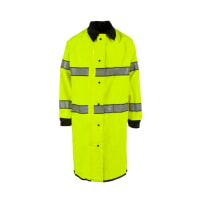
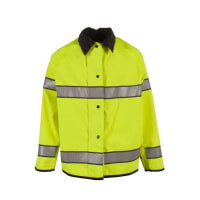
Reflective clothing, on the other hand, comes into play when the sun goes down. It’s all about visibility in low-light or nighttime settings. The magic happens in the reflective tape—those shiny gray or silver strips sewn onto vests, jackets, pants, and even gloves. When light hits it (like headlights), it reflects directly back toward the source, making the person wearing it pop out in the dark.
Usually seen on:
- Safety vests
- Work shirts and jackets
- Outerwear for construction and road crews
Common scenarios where both are essential include:
- Road and highway crews working around traffic 24/7
- Construction workers on early-morning or evening shifts
- Warehouse and logistics teams operating in dim lighting
Compliance and Safety Standards
OSHA and ANSI have specific standards for visibility gear, particularly ANSI/ISEA 107, which defines classes of hi-vis clothing (Class 1, 2, and 3) based on worksite risk.
- Class 1: Low-risk areas, minimal traffic
- Class 2: Higher visibility for areas with faster vehicles
- Class 3: Maximum visibility, often required for road crews and emergency responders
Wearing ANSI-rated gear ensures you meet industry safety requirements—and helps keep you protected on the job.
Conclusion: Visibility Saves Lives
Whether you're working under the sun or in pitch-dark conditions, visibility matters. Hi-vis and reflective clothing serve different purposes but are most powerful when used together. Fluorescent materials grab attention during the day, while reflective strips protect you at night.
“Hi-Vis clothing is designed to be highly visible during the day, while reflective materials are crucial for low-light and nighttime conditions. Choosing the right gear for the right environment can significantly reduce accidents.”
— Jenna Marshall, Safety Expert
Therefore, knowing the difference helps you make smart choices about your gear—and stay safe in any environment. Always check your worksite’s requirements and choose the right combination of hi-vis and reflective features to stay visible, compliant, and protected.
Tagged Products