Logo200.png)
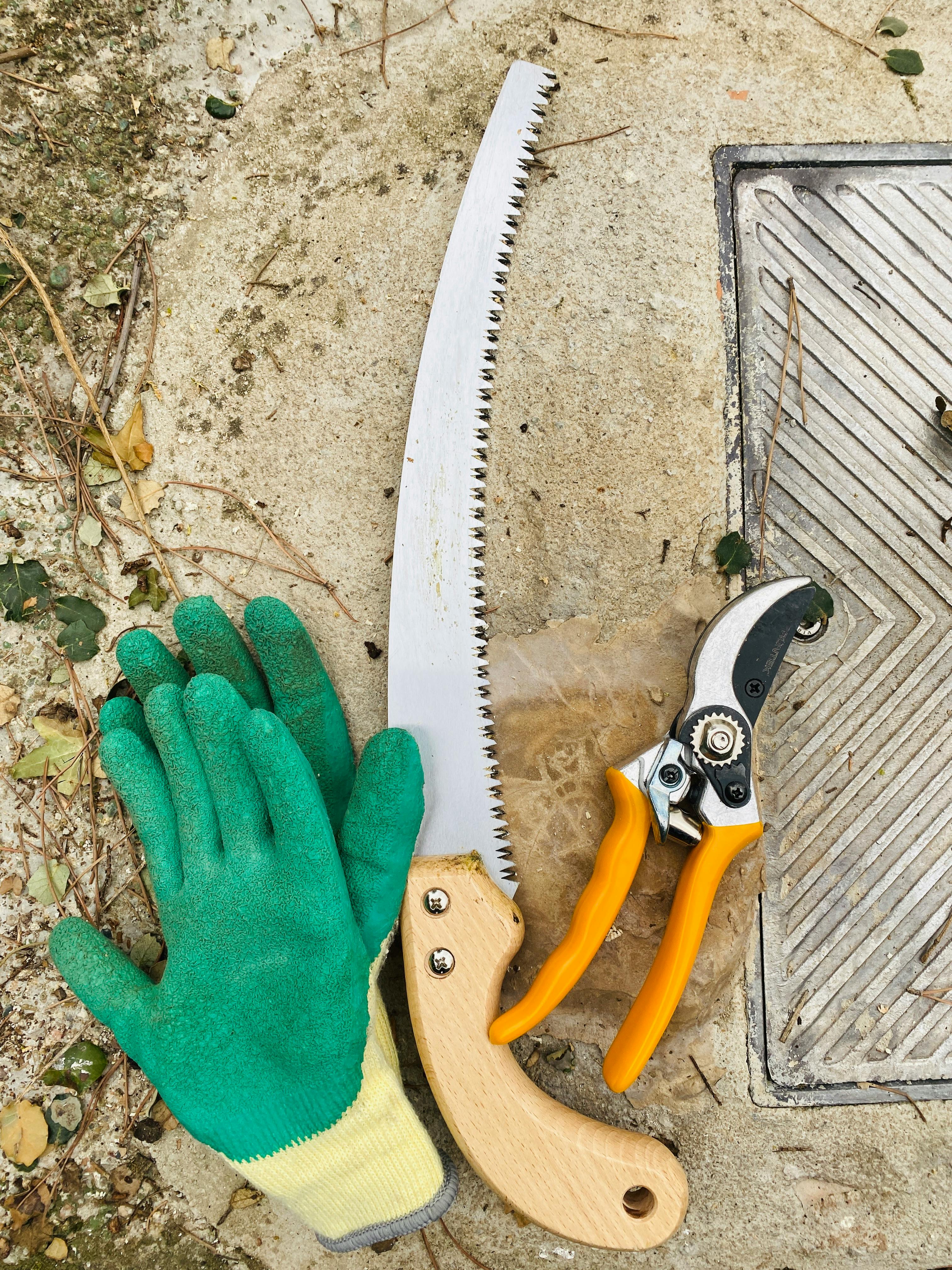
Proper Use and Care of Pruning Saws & Bypass Loppers
Whether you're a professional landscaper or a weekend gardener, having the right cutting tools—and knowing how to use and maintain them—is key to healthy plants and efficient work. Pruning saws and bypass loppers are two of the most commonly used tools for trimming, shaping, and managing plant growth. But using them incorrectly or neglecting maintenance can shorten their life and even harm your plants. This guide will walk you through the best practices for using, cleaning, and storing your pruning tools to get the most out of them.
1. Choosing the Right Tool for the Job
Understanding when to use a pruning saw versus bypass loppers is the first step. Bypass loppers are ideal for cleanly cutting live branches up to 1.5 inches thick. Their scissor-like action allows for precise, non-crushing cuts that promote healthy regrowth. Pruning saws, on the other hand, are designed for thicker branches—typically over 1.5 inches—and are available in various blade shapes and tooth configurations depending on the task.
2. Proper Cutting Technique
When using bypass loppers, position the cutting blade on the side of the branch you intend to keep, as this provides the cleanest cut on the remaining branch. Make sure the tool is sharp and avoid twisting or rotating during the cut, which can damage both the plant and the tool. For pruning saws, use steady back-and-forth strokes, allowing the saw’s teeth to do the work without applying excessive pressure. Start with a shallow notch on the underside of the branch (about a third of the way through), then saw from the top to prevent bark from tearing when the branch falls.
3. Cleaning After Use
Plant sap, dirt, and moisture can all contribute to tool deterioration. After each use, wipe down your blades with a damp cloth and dry them thoroughly. For sticky residue, use mineral spirits or a mild detergent. Regular cleaning not only prevents rust and corrosion but also reduces the chance of spreading plant diseases from one cut to the next.
4. Sharpening and Blade Care
Sharp tools make cleaner cuts, which are better for both the plant and your arms. Bypass loppers should be sharpened with a flat or diamond file, following the original bevel of the blade. Pruning saws may require a special saw file or may need to be replaced entirely, depending on the design. Always check the manufacturer’s recommendations before sharpening, especially for curved or impulse-hardened blades that aren’t meant to be filed.
5. Lubrication and Storage
Hinges and moving parts on bypass loppers should be lubricated regularly with a light machine oil. For long-term storage, apply a light coat of oil to the blades to prevent oxidation. Store tools in a dry place, preferably hung or in a tool rack to prevent blade damage or warping.
Bonus Tip:
Keep a dedicated rag or cloth for blade maintenance in your garden kit. A quick wipe after each use goes a long way in extending tool life and improving performance.
Conclusion
Pruning saws and bypass loppers are staples of yard and landscape maintenance, but they’re only as effective as their condition allows. By choosing the right tool, using it properly, and keeping it clean and sharp, you’ll ensure better results, healthier plants, and a longer life for your investment. Ready to upgrade your pruning gear? Explore our selection of professional-grade pruning tools at Abolox and make every cut count.
Tagged Products

