Logo200.png)
Comparing Ratcheting Screwdrivers: Manual vs Power-Assisted
Whether you're assembling cabinets, servicing equipment, or working on delicate electronics, screwdrivers are essential to any toolkit. While traditional models have their place, ratcheting screwdrivers—both manual and power-assisted—have raised the bar for speed and convenience. But which one is better for your workflow? In this guide, we’ll break down the differences between manual and power-assisted ratcheting screwdrivers so you can make the best choice for your projects.
1. What Is a Ratcheting Screwdriver?
A ratcheting screwdriver allows continuous turning in one direction without repositioning your hand. The internal ratchet mechanism turns the fastener in one direction and resets in the other. This not only reduces wrist fatigue but also speeds up repetitive tasks. Both manual and power-assisted versions offer this advantage, but they function very differently in terms of power, control, and use cases.
2. Manual Ratcheting Screwdrivers: Precise and Reliable
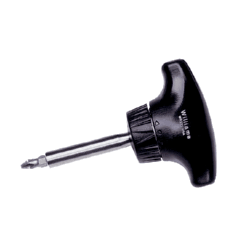
Manual ratcheting screwdrivers are a favorite among technicians and field workers who prioritize control and compact portability. With no batteries or motors involved, these tools are highly dependable. They're great for confined spaces where a power tool may not fit, and offer a tactile feedback that’s hard to beat. Most models include forward, reverse, and locked modes, and often come with interchangeable bits for versatility.
Manual ratchets shine in jobs requiring fine torque control—think tightening terminal screws or mounting wall plates. And because there’s no motor, you don’t need to worry about overdriving or stripping soft material. They’re also generally more affordable and have virtually no maintenance beyond keeping the bits clean.
3. Power-Assisted Ratcheting Screwdrivers: Speed and Convenience
Power-assisted or electric ratcheting screwdrivers, often powered by rechargeable batteries, offer one key advantage: speed. These tools are ideal for high-volume work like furniture assembly, electronics installation, or shop use. Most models allow for automatic drive with a manual override, so you still have some of the finesse of manual use when needed.
Power models often feature variable speed control, torque settings, LED lighting, and quick-swap bit systems. They drastically cut down on time and physical effort—especially on long screws or in repetitive tasks. However, they’re bulkier, require charging, and can be pricier than manual versions.
4. Which One Should You Choose?
If you need portability, affordability, and control, a manual ratcheting screwdriver is likely your best option. It’s ideal for light-duty tasks and projects where finesse matters more than speed. On the other hand, if you’re working on large projects or tackling dozens of fasteners a day, a power-assisted model will save you time and effort. Some power-assisted screwdrivers come with integrated clutch systems to prevent overdriving screws—this is especially helpful when working with soft materials like MDF or drywall. If you opt for electric, make sure to choose one with variable torque control for versatility.
Conclusion
Both manual and power-assisted ratcheting screwdrivers have their strengths. The key is knowing your workflow. For occasional repairs, small tasks, and portability, manual tools are more than sufficient. For speed, volume, and ergonomic relief, electric screwdrivers win the day. No matter your choice, explore the full range of ratcheting screwdrivers at Abolox and find the perfect fit for your needs.
Tagged Products