Logo200.png)
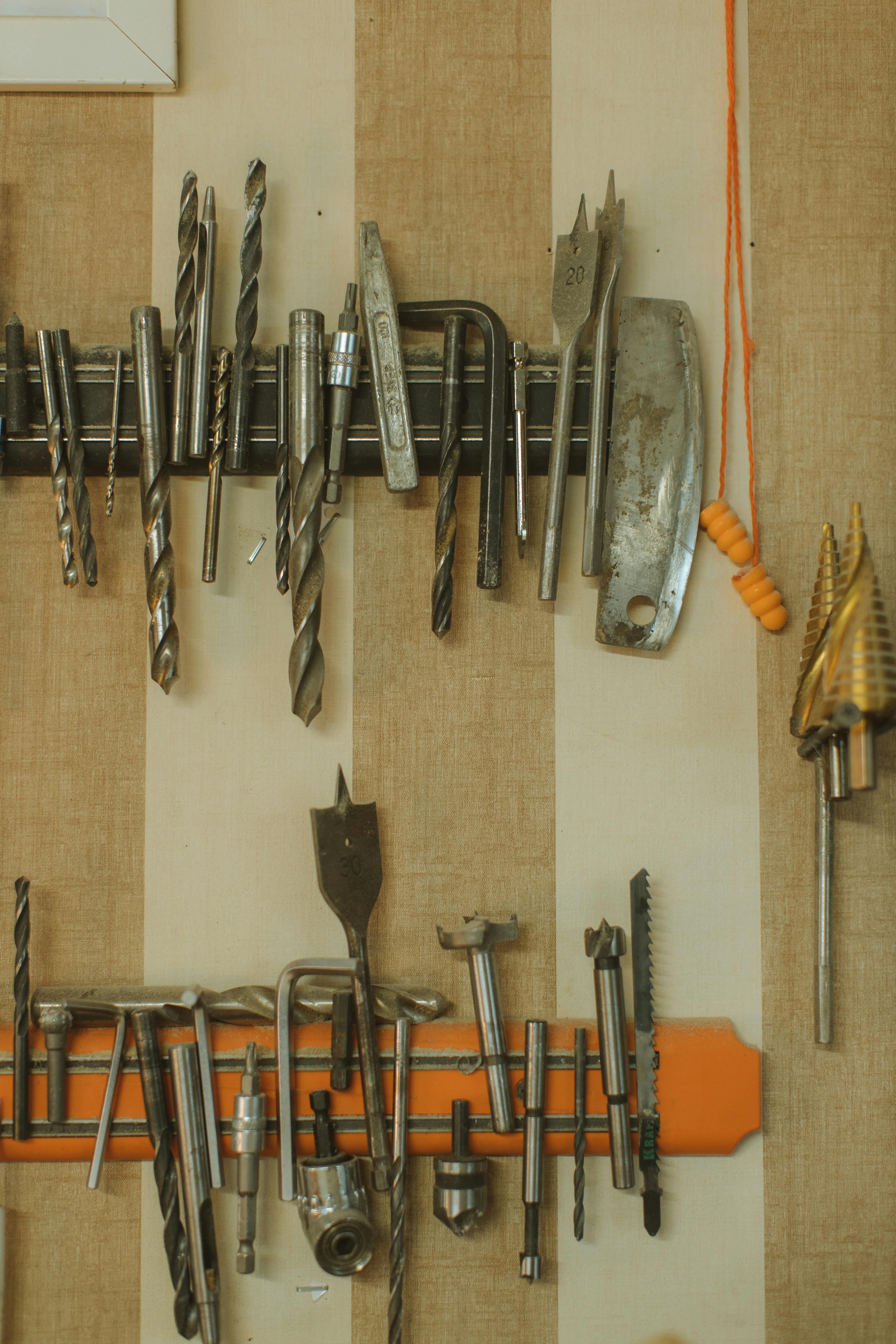
Non-Magnetic Tools: Essential When Working Around Electronics
When working with sensitive electronics or precision devices, the last thing you want is to unintentionally magnetize a component—or worse, damage a circuit board due to magnetic interference. That’s where non-magnetic tools become not just helpful, but essential. Designed specifically to avoid disrupting magnetic-sensitive environments, these tools help ensure accuracy, longevity, and safety in a range of technical jobs. Whether you're an electronics technician, medical equipment installer, or aerospace contractor, non-magnetic tools are a quiet but powerful ally in your toolkit.
1. Preventing Interference in Sensitive Equipment
Electronic systems, especially those in medical, military, and aerospace environments, often contain magnetic-sensitive sensors and components. Magnetic tools—even slightly magnetized ones—can affect signal accuracy or disrupt alignment. Non-magnetic tools, typically made from materials like titanium, brass, beryllium copper, or certain high-grade stainless steels, are engineered to eliminate that risk. This allows you to work confidently in fields like MRI servicing, avionics repair, and lab calibration.
2. Safer for Repair and Assembly
If you’ve ever dropped a magnetic screwdriver near a sensitive hard drive, you know the risk. Even a light magnetic field can corrupt data or cause alignment issues in compact electronic devices. Non-magnetic tools drastically reduce the risk of static discharge and magnetism-related damage, making them safer for assembly lines and diagnostic repairs where tight tolerances and static control are critical.
3. Ideal for Medical and Cleanroom Use
Non-magnetic tools are also crucial in environments like hospitals, research labs, and semiconductor cleanrooms. In MRI rooms, for example, bringing in a magnetic tool isn’t just a bad idea—it’s dangerous. Strong magnetic fields can turn ferromagnetic tools into projectiles. Tools made from titanium or ceramic composites offer strength, corrosion resistance, and zero magnetic signature, making them ideal for surgical and diagnostic use cases.
4. Rust-Resistance and Durability
Another hidden benefit of non-magnetic tools is corrosion resistance. Many non-magnetic alloys are less prone to rust, especially in high-humidity or chemical-exposed environments. For technicians who often work outdoors or around fluids, this adds a layer of reliability and longevity. Brass and beryllium-copper tools, for example, won’t rust like carbon steel and are safe for use in explosive environments as well.
5. Precision Work Without Magnetic Pull
Ever tried placing a tiny screw with a magnetic bit, only to have it snap out of alignment? Non-magnetic tools offer greater control for micro-assembly, especially when handling small hardware or precision parts. With no magnetic field to disrupt the positioning, technicians can perform cleaner installations and achieve higher-quality builds in devices like smartphones, circuit boards, or sensors.
Bonus Tip:
Many non-magnetic tool sets come with anti-static handles or are ESD-safe rated. This further protects delicate components from electrostatic discharge, making your workspace safer and more compliant.
Conclusion
In today’s precision-driven industries, non-magnetic tools have become a cornerstone of responsible electronic work. They reduce damage risk, enhance accuracy, and meet the high standards required in technical, medical, and aerospace fields. Whether you're servicing an MRI machine, assembling a motherboard, or fine-tuning a lab device, using non-magnetic tools from Abolox is a simple way to boost quality and safety. Don’t let magnetism become your hidden liability—make the switch today.
Tagged Products