Logo200.png)
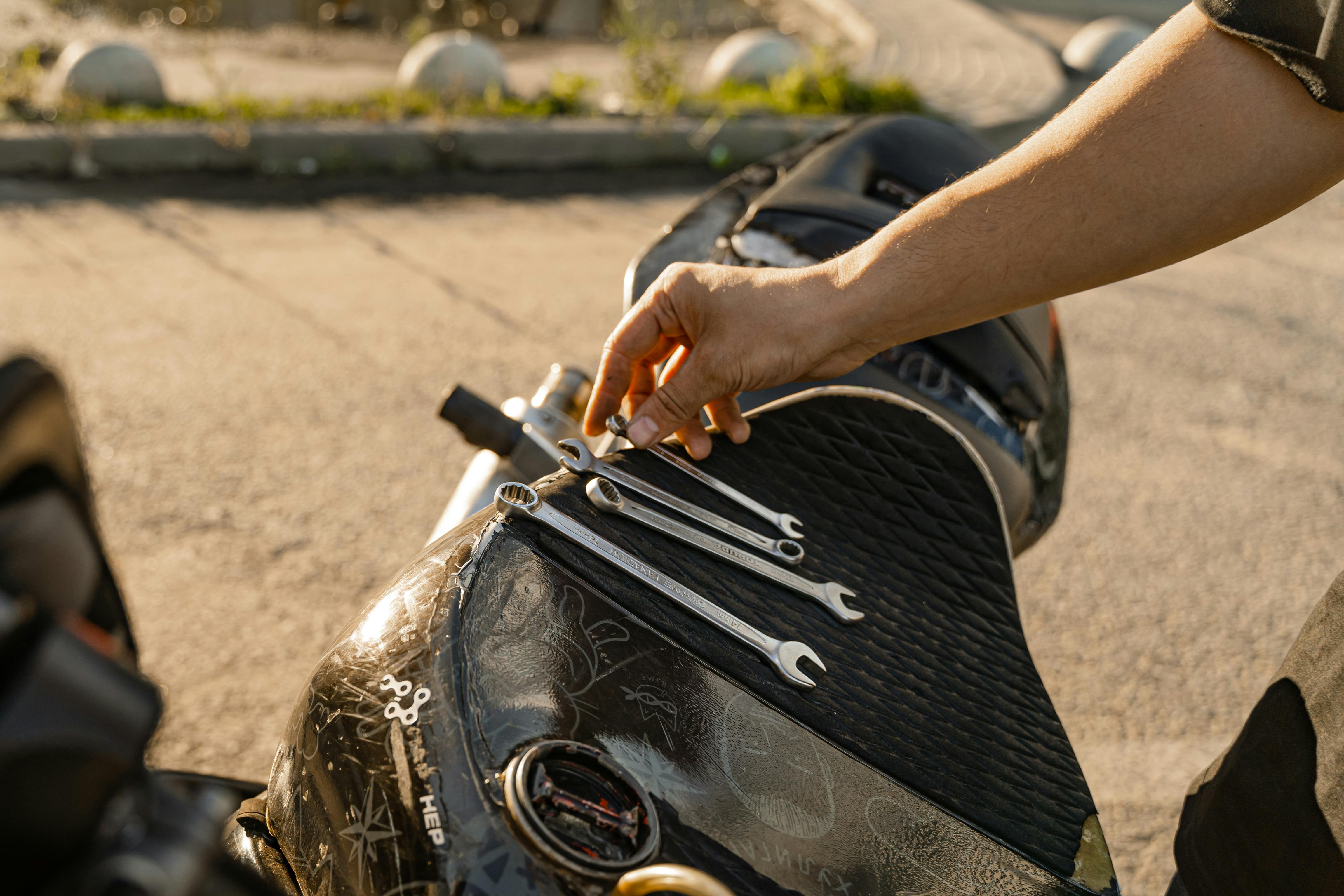
How to Select the Right Line Wrenches vs. Standard Wrenches for Fluid Lines
Working on fluid lines—whether it’s for brake systems, HVAC setups, or hydraulic lines—requires precision, care, and the right tools. When it comes to loosening or tightening fittings on these lines, choosing between line wrenches and standard wrenches isn’t just a matter of convenience; it’s a matter of safety, efficiency, and preventing costly damage. Let’s break down when to use each and why it matters.
What Are Line Wrenches?
Also known as flare nut wrenches, line wrenches are designed specifically for gripping nuts on fluid lines. These wrenches look like open-end wrenches but with a partially enclosed head—typically covering about 5 or 6 sides of the nut. This extra contact offers a better grip without fully encasing the nut like a socket, making them ideal for tight spaces where lines are still connected.
What Are Standard Wrenches?
Standard wrenches include open-end and box-end wrenches, commonly used for a wide variety of fastening and loosening tasks. They come in numerous shapes and sizes, with open-end types being more accessible and box-end types offering greater torque and grip.
Why Line Wrenches Matter for Fluid Lines
Fluid lines are often made of soft metal like aluminum or brass. The fittings can be delicate, and over-torquing or stripping them can lead to leaks or a complete system failure. Line wrenches are designed to apply pressure more evenly across the nut, reducing the chances of rounding off the edges.
They’re especially valuable when dealing with:
- Brake lines
- Fuel lines
- Air conditioning tubing
- Hydraulic lines
Key Differences: Line Wrench vs. Standard Wrench
| Feature | Line Wrench | Standard Wrench |
|---|---|---|
| Jaw Design | Enclosed (almost like a socket) | Open or box-end |
| Contact Points | More surface area contact | Less grip on soft fittings |
| Best Use Case | Soft metal fittings on fluid lines | General fasteners |
| Risk of Damage | Low | Higher (risk of rounding) |
| Accessibility | Great for tight spaces | Varies |
When to Use Each
Use Line Wrenches When:
- You’re working with fluid lines under pressure or with soft metal fittings.
- The fitting is already installed and can’t be removed without disconnecting the system.
- Space is tight, and a socket wrench won’t fit.
Use Standard Wrenches When:
- You're working with regular nuts and bolts, not connected to fluid lines.
- The nut is not prone to rounding.
- You need more leverage or are dealing with stuck fasteners (box-end or adjustable wrenches may be more appropriate).
Selecting the Right Tool: Practical Tips
- Assess the Material: If the fitting is soft brass or aluminum, default to a line wrench.
- Check the Space: Use a line wrench for tight, confined areas.
- Inspect the Nut: If it’s already rounded, a line wrench may not grip well—consider a flare nut socket instead.
- Match the Size: Always use the correct size. A loose wrench will strip the fitting regardless of type.
- Invest in Quality: Higher-end line wrenches offer tighter tolerances and better steel—critical for high-pressure lines.
Conclusion
While both line and standard wrenches serve essential roles in a tool kit, knowing when to use one over the other is vital for professionals and DIYers alike. Line wrenches offer a safer, more efficient way to handle fluid line fittings without damage, while standard wrenches provide the versatility needed for general mechanical tasks. By understanding their differences and ideal applications, you’ll save time, prevent damage, and ensure a job well done.
Tagged Products