Logo200.png)

How to Use a Pipe Wrench
For beginners entering the world of DIY repairs and plumbing projects, a pipe wrench can be an indispensable tool. Its distinctive design is tailored for gripping and turning pipes and fittings with precision. In this guide, we'll walk you through the fundamental techniques and offer valuable tips to help beginners effectively use a pipe wrench for a variety of tasks.
Understanding the Pipe Wrench
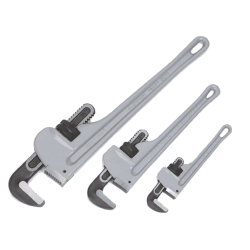
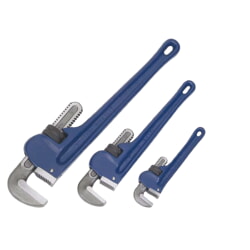
A pipe wrench is recognized by its adjustable jaw and serrated teeth that provide a strong grip on pipes and other cylindrical objects. Its robust construction and torque-enhancing design make it ideal for plumbing work, as well as loosening or tightening threaded connections.
Techniques for Using a Pipe Wrench
- Choosing the Right Size: Select a pipe wrench that matches the size of the pipe you're working with. A wrench that's too small won't provide sufficient grip, while one that's too large may damage the pipe.
- Positioning: Place the wrench's jaws onto the pipe or fitting you want to turn. Ensure the jaws are positioned perpendicular to the pipe for maximum grip.
- Gripping Technique: While gripping the wrench handle with one hand, use your other hand to adjust the jaw size if needed. Place the jaw as close to the threaded end as possible for better leverage.
- Righty-Tighty, Lefty-Loosey: Remember that pipe threads follow the "righty-tighty, lefty-loosey" rule. Turn the wrench clockwise to tighten and counterclockwise to loosen.
- Applying Pressure: As you turn the wrench, exert steady pressure in the direction you want to move the pipe. Avoid sudden jerks that could strain the pipe or the wrench.
- Avoid Over-Tightening: While pipe wrenches are powerful tools, be cautious not to overtighten. Overexerting force could damage the pipe or fittings, leading to leaks or cracks.
Tips for Using a Pipe Wrench Effectively
- Protect the Pipe: To prevent damage to the pipe's surface, consider wrapping the area with a cloth or using a rubber pad attachment for the wrench jaws.
- Lubrication: If a pipe is particularly stubborn, applying a small amount of lubricant to the threaded area can make turning smoother.
- Dual Wrench Method: For better control, use two pipe wrenches—one to grip the pipe and the other to provide leverage on the wrench handle.
- Plumbing Tape: Wrap pipe threads with plumbing tape to reduce friction, making it easier to turn and helping prevent leaks.
- Safety Gear: Wear appropriate safety gear, such as gloves and safety goggles, to protect yourself from potential debris or hazards.
- Practice: If you're new to using a pipe wrench, practice on scrap pieces of pipe to get a feel for the tool's grip and turning technique.
Mastering the use of a pipe wrench is a valuable skill for beginners venturing into plumbing projects and repairs. By selecting the right size, positioning the wrench correctly, and applying proper techniques, you can confidently tackle a variety of tasks. Remember that practice makes perfect, so start with simple projects and gradually progress to more complex ones. With patience and experience, you'll become adept at using a pipe wrench effectively, making your plumbing endeavors smoother and more successful.
Tagged Products