Logo200.png)

Box Wrenches for Automotive Repair Must-Have Tools for Car Enthusiasts
Working on automobiles can be a profoundly satisfying experience for car enthusiasts and DIY mechanics. However, having the right tools is crucial to ensure successful repairs and maintenance. Box wrenches are versatile and indispensable tools among the essential tools for automotive repair. Whether tackling routine maintenance, minor repairs, or major overhauls, box wrenches are vital in accessing and tightening various nuts and bolts in your vehicle. In this blog, we'll explore why box wrenches are must-have tools for car enthusiasts and how they can make automotive repairs more efficient and enjoyable.
What are Box Wrenches?
Box wrenches, and ring spanners, are hand tools designed to grip nuts and bolts. They feature a closed-loop, ring-shaped end with a hexagonal or 12-point opening. The wrench box end provides maximum contact with the fastener, minimizing the risk of slippage and rounding off the edges. Box wrenches are available in metric and standard (imperial) sizes to accommodate various fasteners commonly found in vehicles.
Flexibility in Automotive Repairs
Box wrenches offer exceptional Flexibility for automotive repairs. Here are some typical applications where box wrenches shine:
- Engine Repairs: Whether changing spark plugs, adjusting belts, or removing valve covers, box wrenches are essential for accessing tight spaces and securely fastening bolts in the engine bay.
- Suspension and Steering: Box wrenches are vital for working on suspension components, including tie rods, ball joints, and control arms, ensuring proper alignment and smooth handling.
- Brake Maintenance: Box wrenches are frequently used to remove brake calipers and bleed brake lines, crucial tasks for maintaining optimum braking performance.
- Exhaust System Repairs: When dealing with exhaust components, such as bolts connecting the exhaust manifold to the downpipe, box wrenches are ideal for their secure grip and accessibility.
- Transmission and Differential: Box wrenches are invaluable when servicing transmission and differential components, ensuring proper torque and preventing leaks.
- Fuel System Repairs: Whether replacing fuel filters or working on fuel lines, box wrenches provide the torque necessary to handle fuel system repairs confidently.
Single-Ended vs. Double-Ended Box Wrenches
Box wrenches come in two main types: single-ended and double-ended.
- Single-Ended Box Wrench: A single-ended box wrench has a box end on one side and an open end on the other. The open end is useful for quick application and removing nuts and bolts, while the box end provides additional grip and torque.
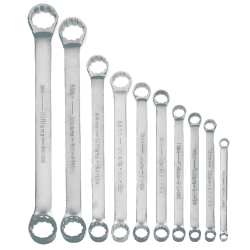
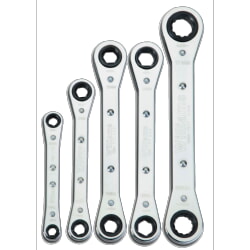
- Double-Ended Box Wrench: A double-ended box wrench features a box end on both sides, each with a different size. This design provides versatility and saves time by offering two sizes in one tool.
Both types of box wrenches are valuable for automotive repairs, but the choice may depend on personal preference and the specific task at hand.
Ratcheting Box Wrenches for Efficiency
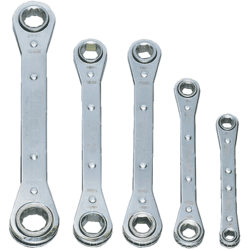
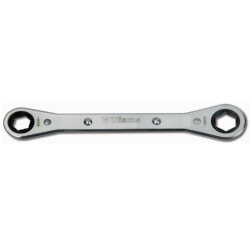
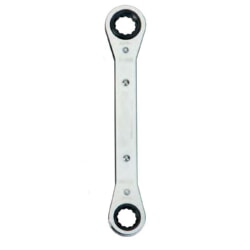
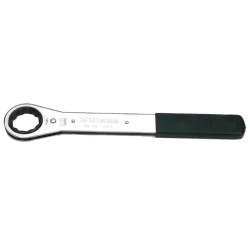
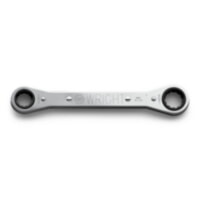
Ratcheting box wrenches are a game-changer for car enthusiasts and mechanics, especially when dealing with repetitive tasks. These wrenches feature a gear mechanism in the box end that allows continuous rotation in one direction while maintaining the wrench's position during the opposite stroke. This eliminates the need to lift and reposition the wrench, making automotive repairs more efficient and saving time and effort.
Offset and Flexible Box Wrenches for Tight Spaces
Automotive repairs often involve working in tight spaces where standard box wrenches may not have enough clearance. In such cases, offset or flexible box wrenches come to the rescue:
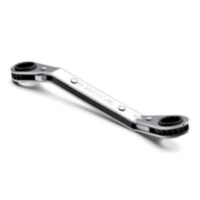
- Offset Box Wrenches: These wrenches have a slight bend in the box end, providing enhanced reach and access to nuts and bolts in confined areas.
- Flexible Box Wrenches: Flexible box wrenches feature a hinged or pivoting box end, allowing even greater access to tight spaces and challenging angles.
These specialized box wrenches are invaluable for reaching components tucked away behind other parts in the engine bay or underneath the vehicle.
Investing in Quality Box Wrench Sets
For automotive enthusiasts, investing in a high-quality box wrench set is wise. A comprehensive set will include metric and standard sizes, along with ratcheting, offset, and flexible options. Look for box wrench sets made from durable materials such as chrome vanadium or alloy steel, as they can withstand the rigors of automotive repair work.
Proper Maintenance for Longevity
Proper maintenance is essential to ensure that your box wrenches remain reliable and last for years to come. Follow these maintenance tips:
- Regular Cleaning: Clean your box wrenches after each use to remove dirt, grime, and debris. Use a mild detergent and a rag or brush to clean the wrench thoroughly.
- Lubrication: Lubricate any moving parts, such as ratcheting mechanisms or flexible heads, with lubricating oil or silicone spray to ensure smooth operation.
- Storage: Store your box wrenches in a clean, dry toolbox or hang them on a pegboard to prevent exposure to moisture and dust.
- Inspections: Regularly inspect your box wrenches for signs of wear, damage, or rounding of the edges. Replace any worn-out wrenches promptly.
Safety Considerations
While box wrenches are versatile and efficient tools, it's essential to follow safety precautions during automotive repairs:
- Secure the Vehicle: Always park the vehicle on a level surface and engage the parking brake before starting any repairs.
- Wear Safety Gear: Wear appropriate safety gear, including safety glasses, gloves, and closed-toe shoes, to protect yourself from potential hazards.
- Use the Right Tool: Ensure that you're using the correct size and type of box wrench for the task at hand to avoid damaging the fastener or the wrench.
- Torque Properly: Follow the manufacturer's specifications for torque settings to prevent over-tightening or under-tightening fasteners.
Tagged Products