Logo200.png)
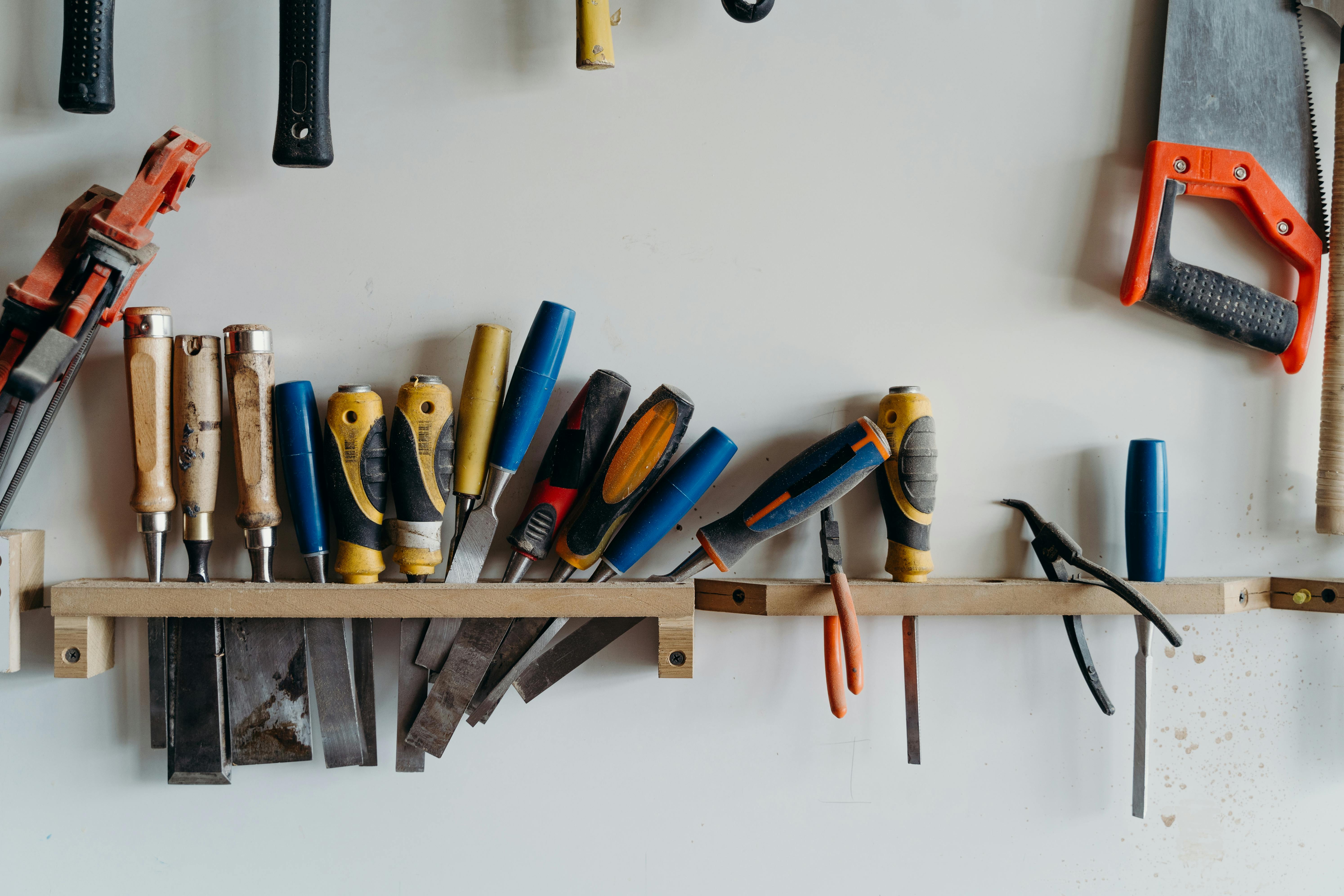
Choosing Ergonomic Handles for Chisels and Punch Tools
For professionals in construction, metalworking, woodworking, or maintenance, chisels and punch tools are everyday essentials. While their blades and tips do the actual cutting or shaping, the handle is where comfort, control, and safety come into play. Choosing an ergonomic handle isn’t just about comfort—it directly impacts work efficiency, reduces fatigue, and minimizes the risk of injury. Here’s how to make sure your next chisel or punch tool handle is designed to work with you, not against you.
1. Why Ergonomics Matter
Ergonomics is the science of designing tools that fit the user’s body, reducing strain and improving efficiency. Poorly designed handles can lead to repetitive strain injuries (RSI), blisters, or even joint pain over time. An ergonomic handle allows you to maintain a firm, natural grip with less effort, which is critical for high-impact work where precision and power are both required.
2. Handle Shape and Grip Design
Ergonomic handles often feature contoured shapes that match the natural curves of the hand. For chisels, this may mean a slightly tapered midsection that allows for a secure grip during both pushing and striking. For punch tools, a flared base can help prevent slippage during hammer strikes. Look for designs that encourage proper wrist alignment to reduce strain during extended use.
3. Material Matters
The handle material can make a significant difference in both comfort and durability. Common ergonomic handle materials include:
- Thermoplastic Rubber (TPR): Offers a cushioned, slip-resistant grip, even in wet or oily conditions.
- Polypropylene: Durable and lightweight, often combined with rubber overlays for comfort.
- Hickory or Hardwood: Traditional choice with excellent shock absorption, though less cushioned than synthetic materials.
Many modern ergonomic handles use a dual-material approach, combining a rigid inner core for strength with a softer outer layer for comfort.
4. Shock and Vibration Reduction
High-impact tasks like striking chisels or punches can transmit significant vibration into your hands and arms, leading to fatigue or long-term injury. Ergonomic handles often incorporate vibration-dampening features, such as rubber overmolds, cushioned grips, or composite handle materials. These features help absorb impact and reduce the strain on your joints.
5. Size and Weight Balance
The diameter of the handle should fit comfortably in your hand—too large and it causes fatigue, too small and you lose control. A balanced weight distribution between the handle and working end of the tool is also essential for precision and control. Ergonomic handles are designed with this balance in mind, reducing the effort required for each strike or cut.
Bonus Tip:
If you often work in cold environments, look for handles with insulating properties to prevent heat loss through your hands. This can make a big difference in comfort and control during long shifts.
Conclusion
The right ergonomic handle on a chisel or punch tool isn’t just about luxury—it’s about improving safety, reducing fatigue, and increasing productivity. A comfortable, well-designed grip allows you to work longer with greater precision and less risk of injury. If you’re looking to upgrade your tools, explore our full range of ergonomic chisels and punch tools at Abolox, where professional-grade design meets lasting comfort.
Tagged Products


