Logo200.png)
Why 6-Point vs 12-Point Sockets Matter in Heavy Equipment Maintenance
When it comes to heavy equipment maintenance, the difference between a smooth repair and a costly delay can come down to the type of socket you use. Many technicians grab whatever socket is closest without thinking much about the number of points—until a bolt head rounds off or a tool slips. The truth is, choosing between 6-point and 12-point sockets isn’t just about preference—it’s about performance, safety, and protecting expensive hardware.
1. The Key Difference: Points and Contact Area
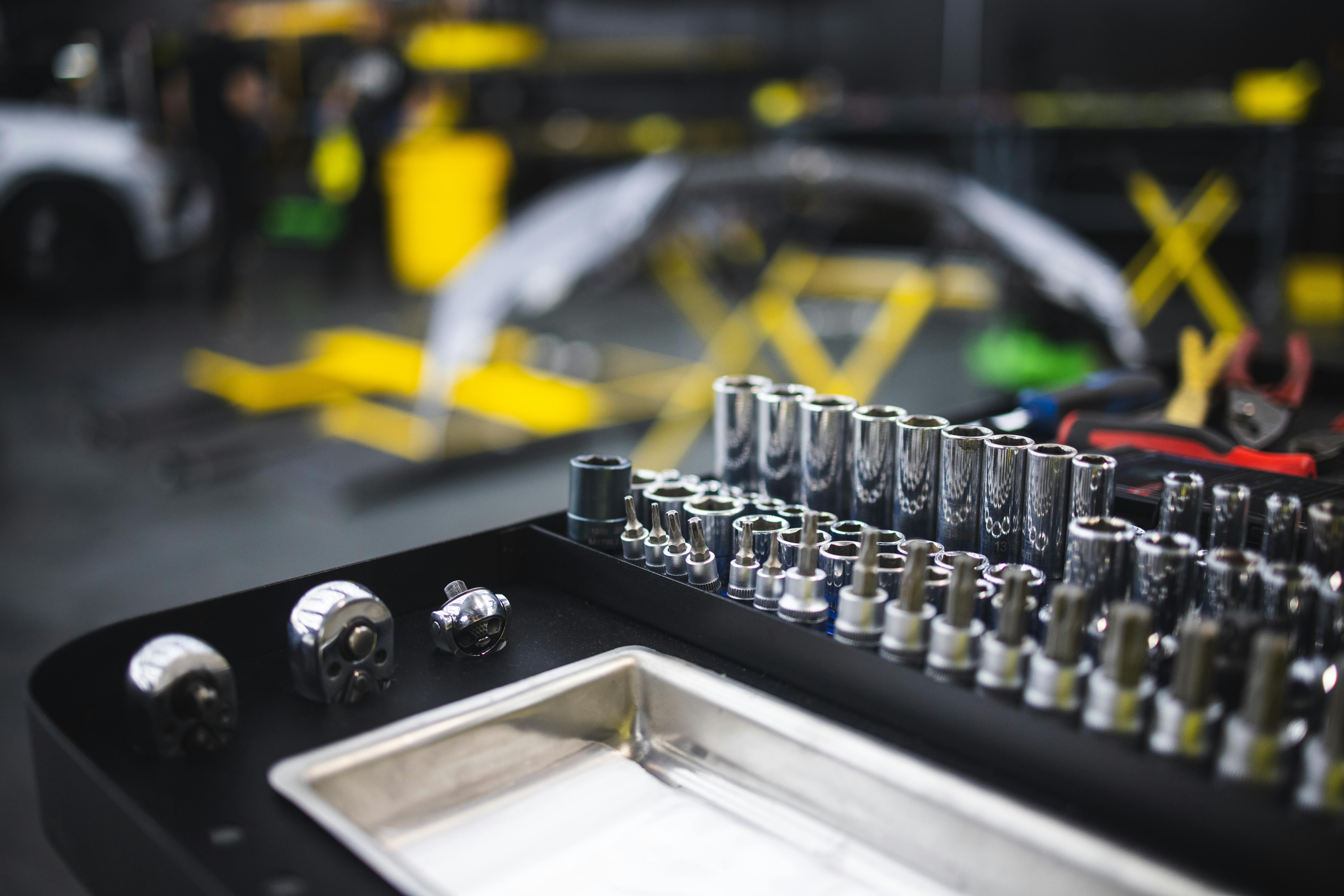
6-point sockets have six points of contact, forming a hexagon that perfectly matches the shape of most fasteners. This design offers more surface contact with the bolt or nut, reducing the risk of rounding off edges. In contrast, 12-point sockets have double the points, allowing them to grip a fastener at more angles, which can be useful in tight spaces but comes at the cost of less surface contact per point.
2. Why 6-Point Sockets Excel in Heavy Equipment Work
Heavy equipment bolts and nuts are often larger, torqued tighter, and subjected to extreme stress. A 6-point socket distributes the turning force over a larger contact area, making it less likely to deform the fastener. This is especially important on high-torque applications like engine mounts, track assemblies, hydraulic fittings, and structural bolts on dozers, loaders, and excavators.
With fewer contact points, the 6-point design grips the sides of the fastener rather than its corners, drastically reducing the risk of rounding. This is critical when you’re dealing with corroded or high-grade hardware that’s expensive to replace.
3. When 12-Point Sockets Are the Better Choice
12-point sockets have a place in a heavy equipment technician’s toolbox—particularly when speed and accessibility matter. Because you can engage the socket at more angles, it’s easier to fit a 12-point socket in tight spaces where you can’t get a full swing of the ratchet. They’re also compatible with both hexagonal and double-square fasteners, which can sometimes be found on specialty equipment.
For light- to medium-duty fastening where the torque isn’t extreme, a 12-point socket can make the job faster. However, they’re best avoided on high-torque bolts or damaged fasteners, as their reduced contact area increases the likelihood of slippage.
4. Impact vs. Chrome: Material Considerations
Whether you choose 6-point or 12-point, always match the socket material to the job. Impact-rated sockets, often made of chrome molybdenum, are essential when using impact wrenches on heavy equipment. Chrome-plated sockets are great for hand tools but can crack under the shock load of power tools. Combining the right point design with the right material ensures both safety and efficiency.
5. The Cost of Choosing Wrong
Using the wrong socket design in heavy equipment maintenance can result in stripped bolts, damaged tools, and costly downtime. Replacing a rounded bolt on an excavator arm isn’t just expensive in parts—it’s the lost hours of operation that really hit the budget. The right socket helps you work faster, safer, and with less wear on both tools and hardware.
Bonus Tip:
Keep both 6-point and 12-point sets in your kit. Use 6-point sockets for high-torque, high-value fasteners and 12-point sockets for quick access in tight spots where torque requirements are lower.
Conclusion
In heavy equipment maintenance, choosing between 6-point and 12-point sockets can make all the difference. 6-point sockets provide unmatched strength and grip for demanding applications, while 12-point sockets offer versatility and accessibility when space is limited. The smart technician knows when to use each—and keeps both within reach. Explore our full selection of professional-grade sockets at Abolox and make sure you’re always prepared for the job.
Tagged Products