Logo200.png)
When to Swap from Cotton to Woven Aramid Gloves for Heat Resistance
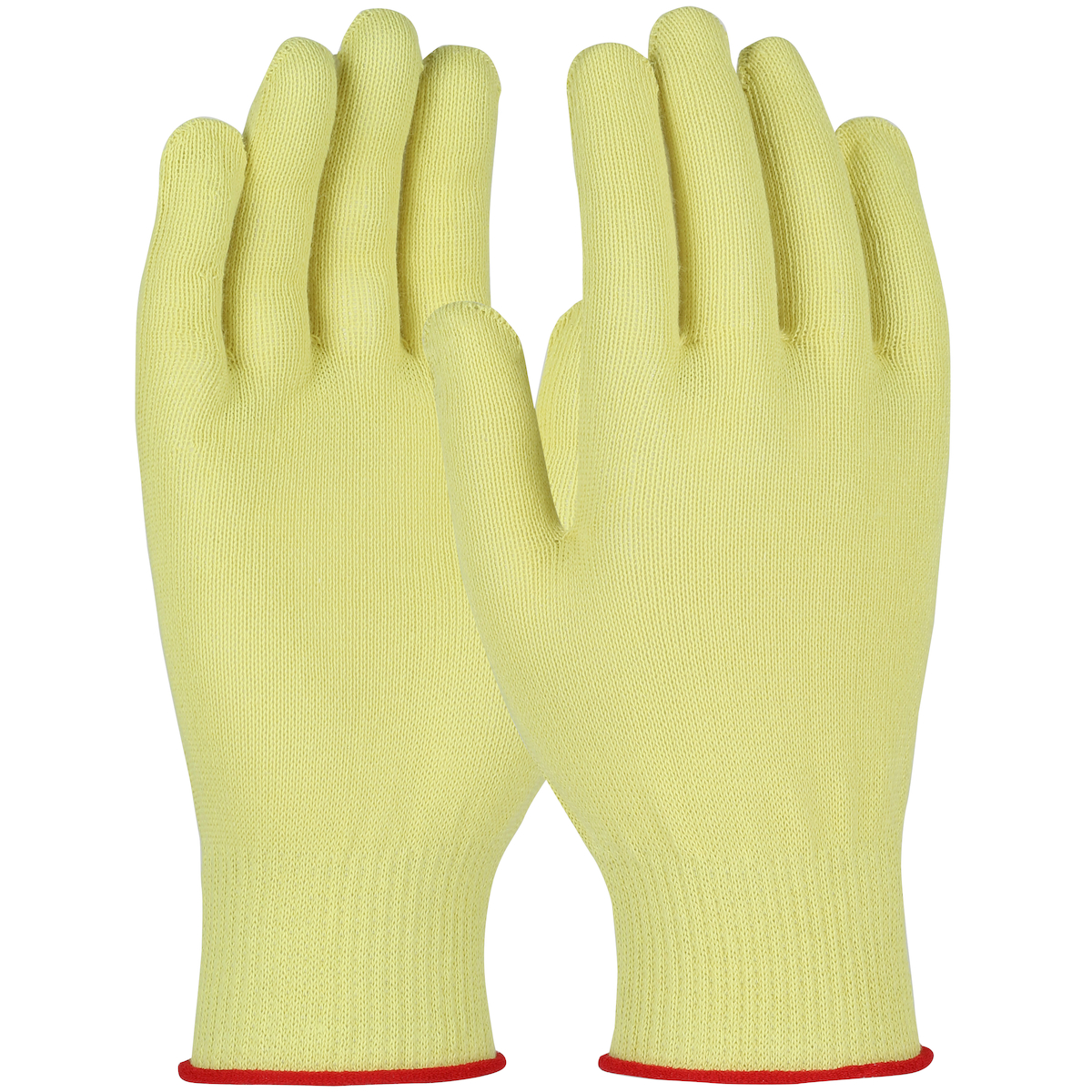
Cotton work gloves are the everyday go-to: breathable, affordable, and comfortable for light tasks. But when the job involves steady heat, intermittent contact with hot parts, or handling components fresh off a process line, cotton can reach its limits fast. That’s where woven aramid gloves (e.g., Kevlar®-type fibers) step in. They’re engineered to retain strength at elevated temperatures, resist flames, and protect hands from contact and convective heat far beyond what cotton can handle. Not sure when to make the switch? Use this guide to decide.
1. Heat Exposure: Temperature & Dwell Time
Temperature: Cotton begins to char and lose integrity at relatively low temperatures compared to aramid. If surfaces or parts routinely exceed ~200–250°F (93–121°C), cotton’s protective value drops quickly. Woven aramid fibers maintain strength at higher temps and won’t melt or drip, giving a wider safety margin.
Dwell time: Even “brief” contact adds up. If you’re repeatedly grasping warm components, opening hot oven doors, or clearing jams near heated tooling, the sustained load on cotton can become unsafe. Aramid’s structure disperses heat more effectively across the glove surface.
2. Contact Type: Radiant, Convective, or Contact Heat
Radiant heat from furnaces, heat tunnels, or ovens can quickly fatigue cotton fibers and overheat the hand. Aramid weaves—often paired with aluminized backs or layered liners—reflect and resist heat more effectively.
Convective heat (moving hot air/steam) penetrates cotton easily. Aramid fabrics with tighter weaves or blended liners slow heat transfer.
Direct contact heat with warm fixtures, trays, or stamped parts is where aramid shines: higher contact thresholds and slower heat conduction to the skin mean safer handling windows.
3. Cut, Abrasion, and Spark Resistance
Cotton tears and abrades quickly around sharp edges. Woven aramid typically delivers better cut performance (often ANSI A2–A4, depending on construction) and stands up to burrs, sheet metal edges, and trimmed parts. Around grinders or hot work, aramid resists occasional sparks and will not melt—important if you’re near weld spatter or hot chips.
4. Grip, Dexterity, and Coatings
Modern aramid gloves come in multiple gauges and coatings to balance heat with control. For dry hot parts, a rough or crinkle finish helps grip. For oily components near heat, look for nitrile-coated aramid blends—they maintain hold without sacrificing thermal protection. Lighter-gauge aramid knits improve dexterity for fine assembly near heat sources, while thicker terry-knit aramid excels at handling trays or molds.
5. Compliance and Ratings
Check for ANSI heat levels, EN 407 (contact, convective, radiant heat, and small splashes of molten metal), and cut ratings if sharp parts are in play. Cotton seldom carries meaningful thermal certifications; aramid SKUs often publish tested performance so you can match the glove to your task.
6. When Cotton Is Still Fine
Cotton remains a smart pick for ambient-temp, light-duty handling, general packaging, and non-heated assembly. If your heat exposure is incidental (e.g., warm but not hot), or you only need a liner under a separate thermal shell, cotton can still be economical. The moment you face repeat heat exposure, higher temps, sparks, or sharper edges, move up to woven aramid.
Bonus Tip:
Layering boosts protection. Pair a thin aramid knit liner for dexterity with a thicker outer mitt or terry aramid glove for handling hot trays. Rotate pairs to keep dry—moisture accelerates heat transfer.
Conclusion
Choose cotton for cool, light-duty tasks and woven aramid when heat, time-on-contact, or hazard complexity increases. Aramid gives you stability at elevated temperatures, better cut resistance, and safer handling windows around hot equipment. Ready to upgrade? Explore our curated selection of woven aramid heat-resistant gloves at Abolox and match the right rating to your application.
Tagged Products
![MCR Safety 16010 Sidekick Leather Gloves Kevlar, 2.5" Cuff [12 PACK]](assets/images/mcr/thumbnails/16010_thumb.jpg)
