Logo200.png)
Pros and Cons of Built-In Cooling Vests vs Passive Cooling Towels
When the heat is on, staying cool isn’t just about comfort—it’s about safety and performance. Heat stress is a serious hazard for workers in construction, manufacturing, agriculture, and outdoor service industries. Two of the most popular personal cooling options are cooling vests and passive cooling towels. Both can help regulate body temperature, but they work very differently. Knowing the pros and cons of each will help you decide which is the right fit for your job site or activity.
1. How Cooling Vests Work
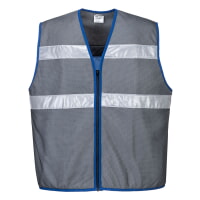
Cooling vests are designed to be worn over the torso and come in several variations:
- Phase-change vests: Use cooling packs that absorb heat as they melt, keeping the wearer cool for hours.
- Evaporative vests: Soak in water, then slowly release moisture to provide cooling as it evaporates.
- Active vests: Use circulating ice water or battery-powered fans for advanced cooling (less common on typical worksites).
These vests provide consistent, full-body cooling and are ideal for long shifts or high-heat environments.
2. How Cooling Towels Work
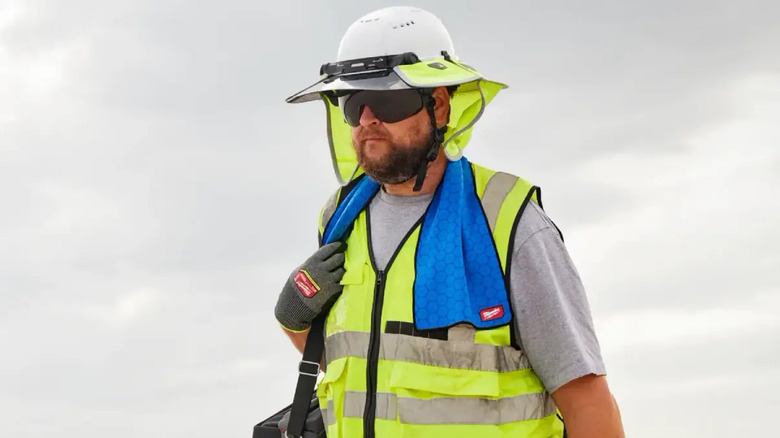
Cooling towels rely on evaporative cooling. Simply soak the towel in water, wring it out, and snap it to activate. As the water evaporates, the towel provides localized cooling on the neck, head, or arms. They’re lightweight, inexpensive, and highly portable, making them a quick and easy option for spot cooling.
3. Pros of Cooling Vests
- Provide longer-lasting cooling, often 2–4 hours per charge or soak, depending on type.
- Offer coverage for the body’s core, helping to reduce overall heat strain.
- Durable and reusable—especially phase-change packs.
- Can be paired with other PPE, such as hard hats and gloves, for full protection.
4. Cons of Cooling Vests
- Higher cost compared to cooling towels.
- Heavier and bulkier to wear, which may limit mobility.
- Require recharging, freezing, or soaking before reuse.
5. Pros of Cooling Towels
- Lightweight, compact, and easy to carry.
- Inexpensive and simple to replace.
- Provide quick, targeted relief for short-term cooling.
- Ideal for breaks or intermittent use.
6. Cons of Cooling Towels
- Shorter duration—usually 20–60 minutes before needing re-wetting.
- Limited cooling area (localized instead of full-body).
- Less effective in humid environments where evaporation is slow.
Bonus Tip:
For maximum effect, some crews use both: vests for continuous cooling and towels for quick relief during breaks or task transitions.
Conclusion
Choosing between a cooling vest and a cooling towel comes down to your work environment and duration of heat exposure. Vests provide steady, full-body relief but cost more and require prep, while towels are a quick, budget-friendly option for targeted cooling. For high-heat industries, combining the two may offer the best protection against heat stress. Explore cooling vests and towels at Abolox and keep your crew safe, cool, and productive all summer long.
Tagged Products