Logo200.png)
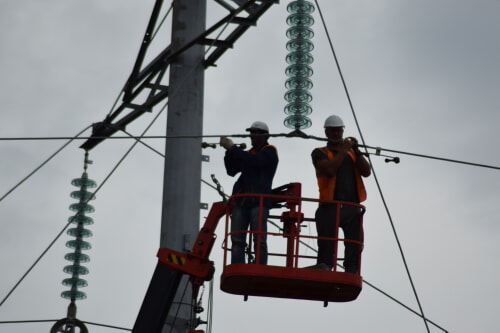
Certain industries where explosions and fires are common can be very hazardous to workers. Thus, these industries require workers to wear flame-resistant (FR) clothing. Even visitors to refineries and other gas operation sites must wear flame-resistant clothing. In the oil and gas industry, there were seven fatal injuries in 2017, three of which were from transportation accidents. None were from violence, fires and explosions, or falls.
In previous years, fires and explosions were the third most fatal injuries in the oil and gas industry. Since employers have been requiring flame-resistant clothing, the number of fatal injuries has significantly decreased.
Worker Safety Increases Over the Years
In 1989, 23 people lost their lives in the Pasadena, Texas, plant disaster – a series of explosions caused by an ethylene leak. The plant had poor safety procedures, it cut refinery maintenance, and people were not required to wear flame-resistant clothing.
That disaster was an eye-opener for the oil and gas industry. The 1989 incident brought to light the importance of safety clothing. Many of those who died might not have died if they had personal protective equipment that prevented their clothing from melting onto their bodies. Since the accident, workers have worn flame-resistant clothing and other personal protective equipment.
Limited-Flammability Garments
Limited-flammability and flame-resistant garments are not the same. Limited flammability clothing is designed for welders and other workers who have incidental contact with heat. Anything that is labeled as limited flammability will melt onto the wearer's body if the wearer comes into contact with flames. The materials used in limited-flammability garments are designed to extinguish sparks, but not flames, flash fires, and explosions – the materials will continue to burn.
Flame-Resistant Protection
Flash fires are more common in the oil and gas industry, thus the need for flame-resistant clothing. Though fire incidents could affect workers daily, they are still not as dangerous as flash fires.
Because flash fires happen suddenly and are intensely hot, they cause more thermal injuries to workers and are more likely to lead to fatal injuries. The size of a flash fire depends on the size of the vapor or gas cloud that ignites. Regardless of the size, a flash fire rarely last longer than a few seconds, but the temperatures could reach as high as 1,900 degrees Fahrenheit.
Industry Standards for Flame-Resistant Protection
If a garment is rated flame-resistant, it must withstand heat and resist burning. True flame-resistant clothing does not ignite, nor does it continue to burn, even in flash fires. Flame-resistant fibers either have resistance to flames built into the fibers, or they are chemically treated with flame-resistant material. Acrylic is a good material to use, as it is hard to ignite and it does not conduct heat very well. Nomex® is a popular flame-resistant material. As are modacrylic / aramid blended fabrics.

The National Fire Protection Association sets regulations and codes to define the standards for flame-resistant materials. The NFPA 2112 Standard has 17 tests that garments must pass to be considered flame-resistant:
- Thread melting.
- Tensile strength.
- Tear strength.
- Label legibility.
- Shrinkage.
- Colorfastness.
- Heat-resistance.
- Flame-resistance.
- ASTM F1930 Manikin testing.
The Manikin Test tests clothing in fires for 3 seconds with a pass or fail rate of 50 percent total body burn. If 50 percent of a person's body burns, he or she has an optimistic chance of survival. The odds drop considerably after that – as low as a 20 percent chance of survival. If less than 25 percent of a person's body burns, he or she has a 90 percent chance of survival.
The Manikin test ensures that no more than 50 percent of a person's body burns in a flash fire. If a piece of clothing allows more than 50 percent to burn, it is not considered flame-resistant.
Types Flame-Resistant Clothing for All Industries at Abolox
Abolox carries flame-resistant coveralls, pants, jackets, vests and shirts. Our flame-resistant clothing protects you because the material self-extinguishes and is difficult to ignite and keep burning.

Many industries, including electrical, utilities, construction and mechanical, require workers to wear flame-resistant clothing for protection against heat, sparks, flash fires and fires. Our flame-resistant clothing also comes in ANSI high visibility ratings of non-rated, Class 2 and Class 3. Regardless of what conditions you are working in, you'll be safe from traffic and fires.
Protect Your Workers with the Correct Products
Whether you provide flame-resistant clothing or you require your employees to get it, be sure they understand the difference between flame-resistant and limited flammability garments. Those who work where the risk of flash fires is less might wear vests and shirts instead of pants and long-sleeved jackets.
Features of our flame-resistant clothing might include (some features depend on brand):
- 100 percent DuPont™ Nomex® 4.5 oz. material.
- ASTM 1930 Certified.
- ASTM F1506 Electric Arc Protection.
- NFPA 2112 UL Certified.
- NFPA 70E Hazard / Risk CAT HRC1 / 5.1 cal/cm2.
- Adjustable snap closure on sleeve cuffs.
- 9 oz Indura Cotton FR Fabric - (CAT 2) - 11.5 cal/cm2.
- 7 oz Indura Cotton FR Fabric - (CAT 2) - 8 cal/cm2.
- 2-inch lime-yellow / silver tape on the upper arms, upper back and lower legs.
- Bi-swing action back gussets.
- Action-Back design.
- One-Piece Action Back Design with Elastic Waist
- Protective storm flap with snap closure to cover the front zipper.
- Heavy-duty two-way YKK® brass break-away zipper.
- FR Zipper front closure.
- FR Zipper Front & Lower Zipper Leg Closures.
- Front hook and loop flap closure.
- Non-sparking covered snaps.
- Available in red and red with reflective stripes.
- Leaf collar.
- Stand-up protective collar with neck closure.
- Bar-tacked stress points.
- Double-stitched pockets.
- Two waist side pockets with pass-through.
- Pen and mini flashlight pocket on the upper left sleeve.
- Two rear pockets with a flap closure.
- Right breast pocket with a flap closure.
- 9-inch radio pocket with a flap and microphone tab.
- Slant-cargo pocket on the left leg.
- Multi-cargo 5-in-1 pocket on the right leg.
- Wide elastic waist.
Abolox has the flame-resistant clothing you need, regardless of which industry you are in. Make sure your employees are safe by ordering your jackets, shirts, pants, vests and overalls today.
