Logo200.png)

The Complete Guide to Box Wrenches: Types, Sizes, and Uses
Box wrenches, known as ring spanners, are essential in any mechanic's or DIY enthusiast's toolkit. Their unique design and sturdy construction make them ideal for various tasks, from automotive repairs to plumbing projects. In this comprehensive guide, we'll explore everything you need to know about box wrenches, including the types available, their sizes, and the various uses that make them indispensable in any workshop.
Understanding Box Wrenches
Box wrenches are a type of wrench characterized by their enclosed, ring-shaped heads with a hexagonal opening on one or both ends. These wrenches are designed to fit snugly around nuts and bolts, providing a secure grip and reducing the risk of slippage or rounding off the fastener's edges. The enclosed design of box wrenches makes them suitable for tasks where space is limited and prevents the wrench from slipping off the fastener during use.
Types of Box Wrenches
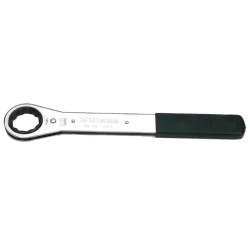
A. Single-Ended Box Wrenches
As the name suggests, these box wrenches have a box end on only one side. They are available in various sizes and are often used for tasks that require a specific wrench size. Single-ended box wrenches are standard in toolkits due to their versatility and ease of use.
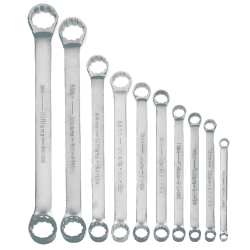
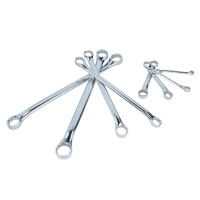
B. Double-Ended Box Wrenches
Double-ended box wrenches have box ends on both sides, offering two sizes in one tool. This design makes them convenient for working with multiple fastener sizes without switching between different wrenches.
C. Offset Box Wrenches
Offset box wrenches have a slight bend in their shafts, allowing them to reach fasteners positioned at an angle or in tight spaces. These wrenches are particularly handy when regular straight-box wrenches cannot access certain areas.
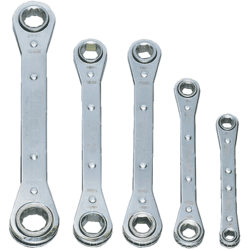
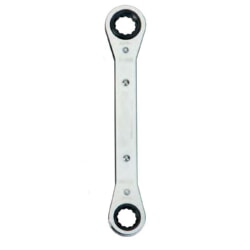
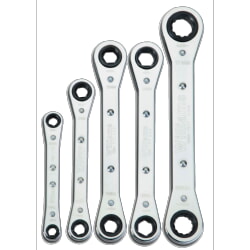
D. Ratcheting Box Wrenches
Ratcheting box wrenches feature a gear mechanism that enables continuous rotation in one direction while maintaining the wrench's position during the opposite stroke. This ratcheting action eliminates the need to lift the wrench after each turn, making it a time-saving option for repetitive tasks.
Box Wrench Sizes
Box wrenches come in various sizes to accommodate different nut and bolt dimensions. The most common heights are measured in inches or millimeters, and selecting the appropriate size is crucial to ensure a secure fit and proper torque application. Some box wrench sets may include metric and imperial sizes, catering to a broader range of applications.
Common Uses of Box Wrenches
A. Automotive Repairs
Box wrenches are frequently used in automotive maintenance and repairs. They are indispensable for tasks such as changing spark plugs, tightening or loosening nuts in the engine compartment, and adjusting brake calipers.
B. Plumbing Projects
Box wrenches are well-suited for plumbing tasks, such as tightening compression nuts, sink and faucet installations, and working on water supply lines.
C. Machinery Maintenance
In industrial settings, box wrenches find applications in maintaining and servicing various machines, where precise torque application is essential.
D. Assembly and Disassembly
Box wrenches are valuable in assembling and disassembling furniture, household appliances, and bicycles, where a secure fit is necessary to avoid damage.
Tips for Using Box Wrenches
A. Choose the Right Size
Ensure that the box wrench you select matches the nut or bolt you're working with. Using the wrong size can lead to slipping, rounding off the edges, and potential injury.
B. Check for Wear
Regularly inspect your box wrenches for signs of wear, such as rounded edges or bent shafts. Damaged wrenches should be replaced to maintain safe and efficient operation.
C. Apply Even Pressure
When using a box wrench, apply even pressure on the handle to prevent over-tightening or damaging the fastener.
D. Lubricate Moving Parts
For ratcheting box wrenches or offset box wrenches with moving parts, periodic lubrication with oil or grease will ensure smooth operation and extend their lifespan.
E. Store Properly
Store your box wrenches in a clean and dry tool chest or on a pegboard to prevent damage and keep them organized for easy access.
Tagged Products