Logo200.png)
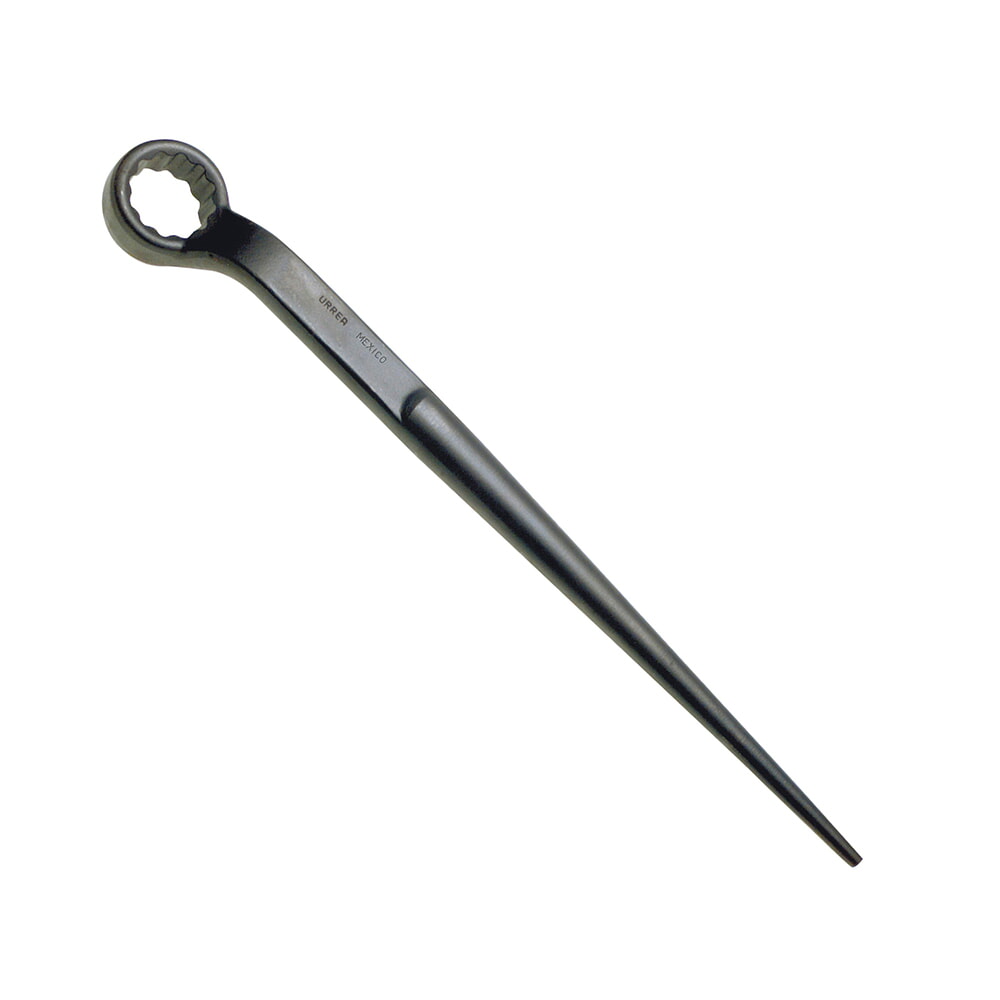
Structural Wrench Problems and Solutions
Structural wrenches are invaluable tools in construction and engineering, which allow us to tighten bolts, nuts and fasteners that hold vital structures together. However, like any tool, structural wrenches can encounter problems that hinder their effectiveness and compromise the quality of work. This article will delve into some common structural wrench problems and provide solutions to keep your projects on track.
Problem 1: Slippage and Stripping
One of the most frustrating issues is the wrench slippage from the bolt head or nut, leading to stripped fasteners or damaged surfaces. This problem is often caused by using the wrong size wrench, poor tool quality, or improper technique.
Solution:
Always use the correct size wrench for the job. A wrench that fits snugly reduces the risk of slippage. Invest in high-quality wrenches with well-defined gripping surfaces. Additionally, ensure the wrench is properly aligned with the fastener before applying force.
Problem 2: Over-Tightening
Over-tightening can result in distorted fasteners, damaged threads, or structural failures. It's a common problem when working with torque-sensitive applications.
Solution:
Use torque wrenches for applications that require precise torque values. These tools provide accurate control over the tightening force. Alternatively, practice using a calibrated touch to sense when the fastener is sufficiently tightened.
Problem 3: Under-Tightening
Under-tightened fasteners can lead to instability and compromised structural integrity. This problem may arise due to inadequate tool force, poor technique, or lack of knowledge about required torque levels.
Solution:
- Educate yourself about the recommended torque specifications for different fasteners.
- Use a calibrated torque wrench to achieve the desired torque level.
- If using manual wrenches, ensure consistent and sufficient force is applied.
Problem 4: Fatigue
Tightening numerous fasteners can be physically demanding and lead to user fatigue. Fatigue can affect tightening accuracy and overall efficiency.
Solution:
- Use wrenches with ergonomic handles to reduce strain on your hands and wrists.
- Take regular breaks to prevent exhaustion.
- If possible, consider using powered or air-driven tools to minimize physical exertion.
Problem 5: Rust and Corrosion
Rust and corrosion can affect the performance of the wrench, making it challenging to get a secure grip on the fastener.
Solution:
Regularly clean and maintain your wrenches to prevent rust buildup. Store them in a dry environment or use protective coatings to minimize corrosion. For added protection, opt for wrenches made from corrosion-resistant materials.
Problem 6: Inadequate Access
Sometimes, fasteners are located in tight or hard-to-reach spaces, making it difficult to use a standard wrench effectively.
Solution:
Invest in specialized wrenches with slim profiles or swivel heads to access confined spaces. Extension bars can also provide added reach.
Problem 7: Lack of Calibration
Using properly calibrated wrenches can result in accuracy in torque application, leading to potential failures.
Solution:
Regularly calibrate your torque wrenches as per the manufacturer's recommendations. This ensures consistent and accurate torque application.
Conclusion
Structural wrenches are critical tools for ensuring the safety and stability of construction projects. By identifying and addressing common wrench problems, you can maintain the quality of your work and enhance your efficiency. Remember to use the right tools for the job, follow torque specifications, prioritize proper technique, and invest in high-quality wrenches to overcome these challenges and achieve exceptional results.
Tagged Products