Logo200.png)


Adjustable Wrench vs. Socket Wrench
Having the right tools is essential when tackling various DIY projects or repairs. The most common tools found in any toolbox are adjustable and socket wrenches. These versatile tools can handle a wide range of tasks, but knowing when to use each can make a significant difference in the success of your project. In this article, we'll explore the differences between adjustable and socket wrenches, their advantages and disadvantages, and when it's best to reach for each tool.
A. The Adjustable Wrench
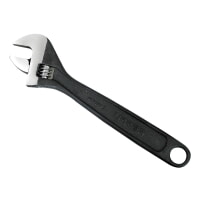
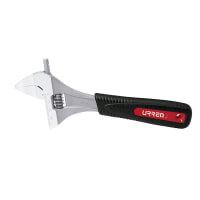
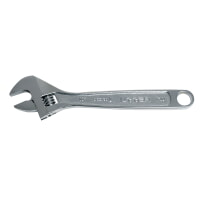
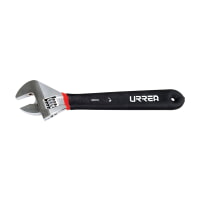
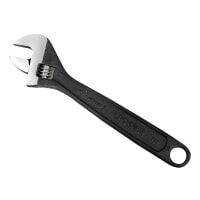
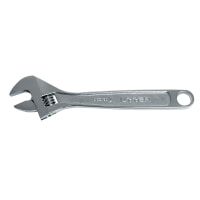
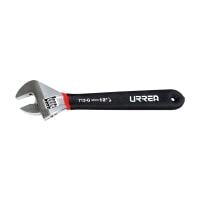
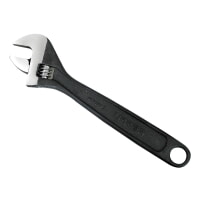
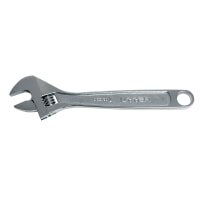
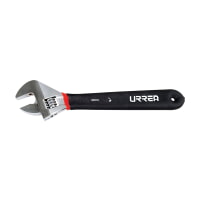
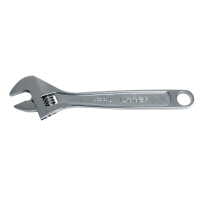
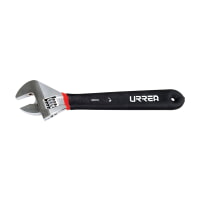
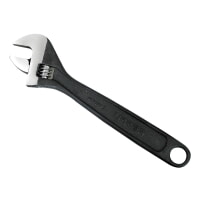
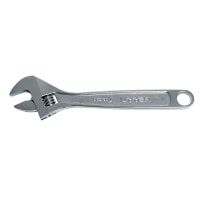
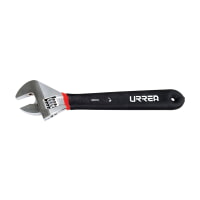
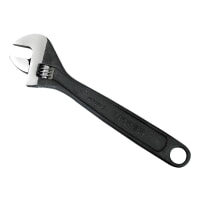
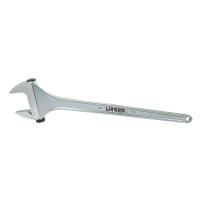
The adjustable wrench, a crescent wrench, or an adjustable spanner is a must-have tool for any handyman or DIY enthusiast. Its defining feature is the adjustable jaw, which allows you to change the wrench's opening size to fit various nuts and bolts. Adjustable wrenches come in different sizes; the most common ones have a standard jaw capacity ranging from 6 to 12 inches.
1) Advantages of Adjustable Wrenches:
- The adjustable jaw allows the wrench to fit different nut and bolt sizes, making it a versatile tool for various applications.
- Adjustable wrenches are easy to use and require no additional attachments or socket sets.
- They are often more affordable than socket wrenches, making them a cost-effective choice for occasional use or budget-conscious individuals
2) Disadvantages of Adjustable Wrenches:
- Due to the adjustable jaw, adjustable wrenches might not fit as snugly on nuts and bolts as socket wrenches, leading to potential slipping and rounded-off edges.
- The adjustable jaw design makes these wrenches bulkier than socket wrenches, which can be a drawback in tight spaces.
B. The Socket Wrench
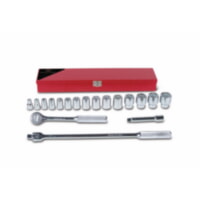
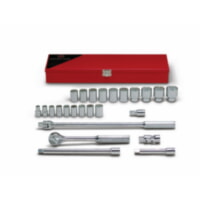
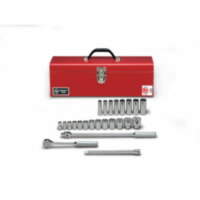
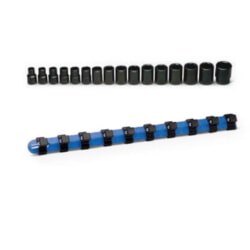
The socket wrench, also known as a ratchet wrench, is a specialized tool for socket attachments. These sockets are available in various sizes and shapes, each tailored to specific nut and bolt types. To use a socket wrench, you attach the appropriate socket to the ratchet handle, allowing you to turn fasteners easily.
1) Advantages of Socket Wrenches:
- Sockets provide a more precise fit on nuts and bolts, reducing the risk of slipping and minimizing the chances of damaging fasteners.
- Socket sets come with a wide range of socket sizes, making them suitable for various applications and ensuring you have the right tool for the job.
- The slim design of the socket wrench and interchangeable sockets make it ideal for working in tight spaces.
2) Disadvantages of Socket Wrenches:
- Socket wrenches and accompanying socket sets can be more expensive than adjustable wrenches, especially for high-quality sets.
- Working with socket wrenches requires some knowledge of socket sizes and the selection of the appropriate socket for each fastener.
When to Use Each Tool:
- Reach for an adjustable wrench when you have limited space, need to handle different nut and bolt sizes, or when cost is a concern. It's a reliable tool for occasional use and general tasks around the house.
- Choose a socket wrench when you require precise torque application, need to work in tight spaces, or are dealing with fasteners that must not be rounded off, such as those in automotive repair and machinery maintenance.
Tagged Products