Logo200.png)
Tools and PPE for Solar Panel Installers Working at Heights
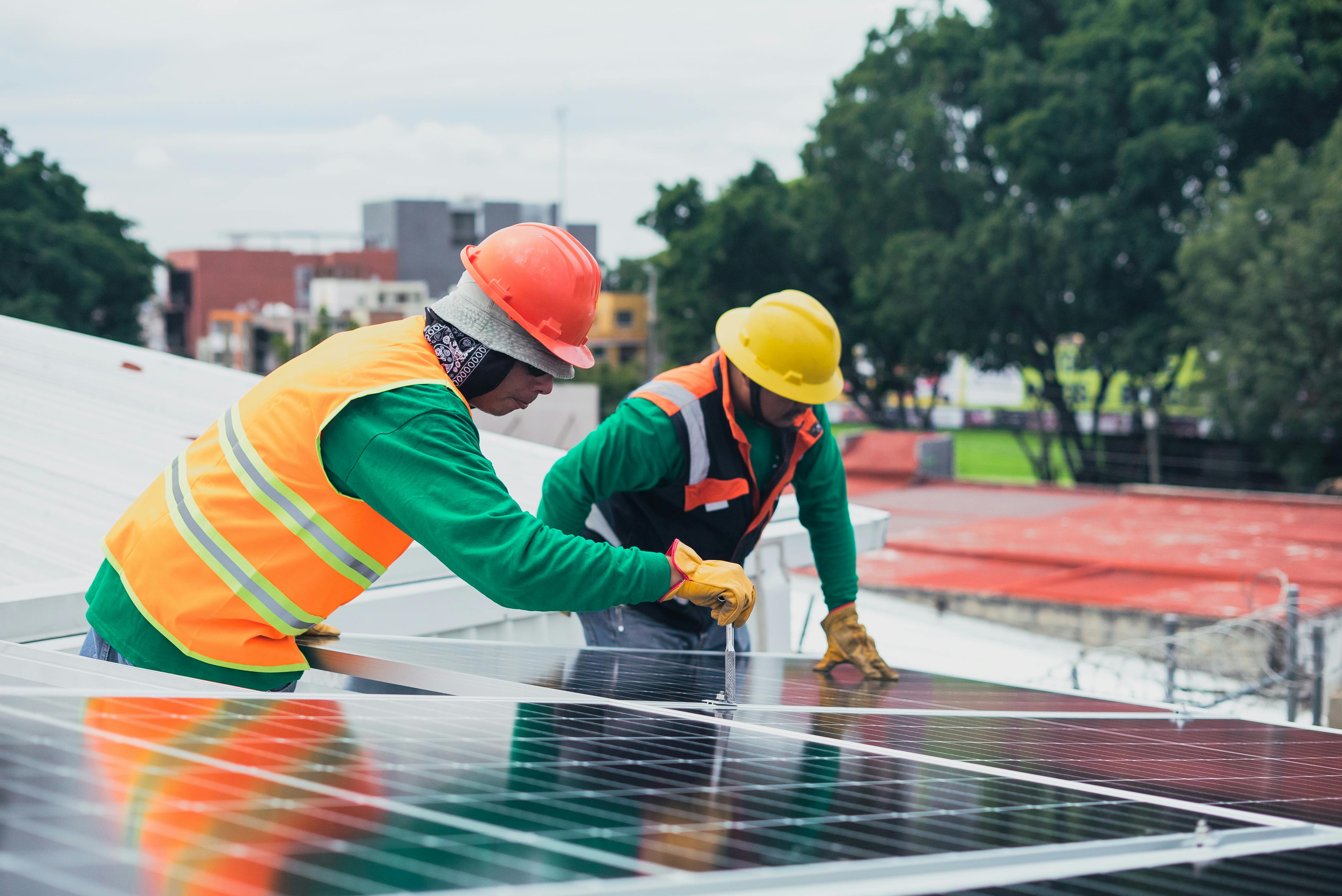
The solar industry is booming, and with it comes an increased focus on installer safety. Installing solar panels often means working at significant heights—on rooftops, scaffolds, or elevated structures. While efficiency and precision are important, nothing outweighs the need for proper tools and PPE to prevent falls, injuries, and costly downtime. Here’s a guide to the essentials every solar installation crew should have.
1. Fall Protection Equipment
Falls remain the number one hazard for solar installers. OSHA requires comprehensive fall protection when working at heights over 6 feet. Essential gear includes:
- Full-Body Harnesses: Distribute fall forces safely across the body.
- Lanyards and Self-Retracting Lifelines (SRLs): Provide fall arrest and minimize free-fall distance.
- Anchorage Points: Must be rated for at least 5,000 lbs per worker.
- Roof Anchors: Temporary or permanent anchors ensure secure tie-off points on sloped roofs.
2. Tools for Precision Installation
Solar panel work requires accuracy in alignment, fastening, and wiring. Common tools include:
- Torque Wrenches: Ensure bolts and clamps are tightened to manufacturer specs.
- Insulated Hand Tools: Protect against electrical hazards when connecting systems.
- Drills and Impact Drivers: Cordless models with extended battery life keep crews efficient.
- Measuring Tools: Levels, laser measures, and chalk lines guarantee proper alignment.
3. PPE for Roof Work
Solar panel installation exposes workers to sharp edges, hot surfaces, and potential electrical hazards. PPE should include:
- Hard Hats: Protect against falling tools or panels.
- Cut-Resistant Gloves: Essential for handling panels with sharp metal frames.
- Non-Slip Footwear: Keeps workers steady on sloped or slick roofs.
- Safety Glasses: Protect eyes during drilling, cutting, or handling wiring.
4. Weather and Environmental Considerations
Rooftop solar work often means direct exposure to the sun and heat. Crews should be equipped with cooling vests, hydration packs, and sun protection to reduce the risk of heat stress. In colder climates, insulated gloves and jackets ensure dexterity while protecting against frostbite and wind chill.
5. Training and Compliance
Even the best tools and PPE are ineffective without proper training. Workers must be trained in fall arrest systems, ladder safety, and the electrical hazards unique to solar installation. Regular inspections of harnesses, lifelines, and anchors are essential to maintain compliance and protect worker lives.
Bonus Tip:
Pre-assemble solar installation kits that include fall protection gear, insulated tools, and PPE. Having a ready-to-go package reduces setup time and ensures no critical equipment is left behind.
Conclusion
Solar panel installation is a rewarding but high-risk job when performed at heights. Outfitting crews with the right tools and PPE minimizes hazards and ensures compliance with safety standards. From fall protection harnesses to insulated tools, investing in proper gear pays off in both safety and efficiency. Explore tools and PPE for solar installers at Abolox and keep your teams safe under the sun.
Tagged Products

![Dewalt DPG108 Renovator Black Frame Premium Safety Glasses Clear Lens [12 PACK]](assets/images/_radians/thumbnails/DEWALT_DPG108-1D_thumb.jpg)