Logo200.png)

Essential Railcar Maintenance Tools and PPE Best Suited for Rail Workers
Railcars are the backbone of freight transportation, moving raw materials, chemicals, and goods across the country. But keeping these massive machines safe and operational requires specialized tools and personal protective equipment (PPE). From routine inspections to emergency repairs, rail workers face unique hazards that demand tailored protection. Here’s a breakdown of the most important tools and PPE for railcar maintenance teams.
1. Hand Tools Built for Heavy Duty
Railcar components are larger and tougher than typical machinery, so standard hand tools often fall short. Essential tools include:
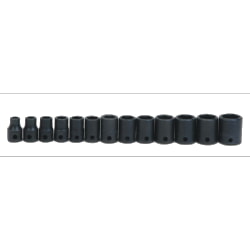
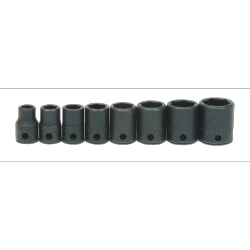
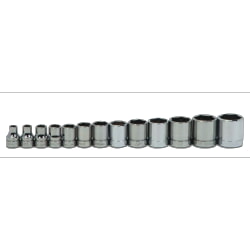
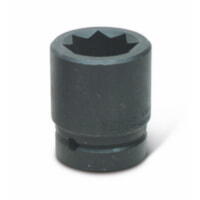
- Impact Sockets and Wrenches: Designed to handle high torque on large bolts and couplings.
- Track Wrenches: Specialty tools sized for rail-specific fasteners.
- Pry Bars and Alignment Tools: Used to adjust couplers, doors, and heavy components.
- Torque Wrenches: Ensuring bolts are secured to proper specs for safety compliance.
2. Power Tools for Efficiency
Working on railcars often requires mobile power solutions:
- Portable Impact Guns: Essential for loosening corroded bolts and fasteners.
- Grinders and Cut-Off Saws: Used in metal prep and component removal.
- Battery-Powered Tools: Cordless systems reduce downtime on remote tracks.
3. PPE for Rail Workers
Rail maintenance environments expose workers to falls, noise, chemicals, and heavy equipment. The right PPE reduces risks:
- Hard Hats: Protect against overhead hazards during inspections.
- High-Visibility Vests: Critical for visibility near tracks and moving cars.
- Hearing Protection: Rail yards are loud—earplugs or earmuffs are essential.
- Respiratory Protection: Needed when working around dust, solvents, or welding fumes.
- Fall Protection: Harnesses and lanyards required for elevated work on railcars.
- Gloves and Safety Glasses: Basic but non-negotiable for hand and eye safety.
4. Specialized Gear for Hazardous Loads
Railcars often carry hazardous materials such as chemicals, petroleum, or gases. In these cases, PPE requirements escalate:
- Chemical-Resistant Suits: For spill response or tank inspections.
- Arc-Rated Clothing: Protecting workers during electrical maintenance.
- Steel-Toe Boots with Metatarsal Guards: Prevent foot injuries from dropped tools or shifting loads.
5. Inspection and Safety Tools
Rail workers rely on inspection equipment to identify issues early:
- Ultrasonic Testers: For detecting cracks in wheels and axles.
- Measuring Gauges: Ensuring proper clearance and alignment.
- Lighting Tools: Headlamps and portable floodlights for night or tunnel work.
Bonus Tip:
Keep a dedicated railcar maintenance kit that includes both tools and PPE, ready for deployment in the field. Pre-packed kits save time and ensure no critical gear is left behind.
Conclusion
Railcar maintenance requires more than general-purpose tools and standard PPE—it demands gear designed for heavy loads, hazardous environments, and high compliance standards. From impact sockets to chemical-resistant suits, equipping workers with the right tools and protective gear reduces downtime and improves safety. Explore railcar tools and PPE solutions at Abolox and keep your crews safe, efficient, and compliant.
Tagged Products