Logo200.png)

Introduction
Hand tools are essential in professional and DIY settings, but they can pose significant risks if not properly used. Although injuries from hand tools are common, most are preventable with the right knowledge and precautions.
In this guide, we’ll discuss the most common injuries associated with hand tools and provide practical tips on preventing them, ensuring you work safely and effectively.
1. Understanding Common Hand Tool Injuries
Overview: Hand tool injuries can range from minor cuts and bruises to severe lacerations, fractures, and even amputations. Understanding the most common types of injuries can help you take proactive steps to prevent them.
Key Injuries:
- Cuts and Lacerations: These injuries, often caused by sharp tools such as knives, saws, and chisels, occur when the tool slips or is used improperly.
- Bruises and Blunt Force Injuries: These injuries typically result from hammers, wrenches, or other tools that require significant force.
- Puncture Wounds: If mishandled, tools like screwdrivers and awls can cause deep puncture wounds.
- Repetitive Strain Injuries (RSIs): Prolonged use of tools that require repetitive motions can lead to conditions like carpal tunnel syndrome or tendonitis.
- Fractures and Broken Bones: Heavy tools or improper tool use can cause fractures, particularly if they are dropped or misused.
Pro Tip: Always assess the potential risks associated with your hand tool and take necessary precautions to minimize those risks.
2. Tips for Preventing Hand Tool Injuries
Overview: Preventing injuries with hand tools requires proper technique, tool maintenance, and personal protective equipment (PPE). Here are some essential tips to help you work safely.
Key Prevention Tips:
- Choose the Right Tool: Always use the appropriate tool for the task. Using the wrong tool can lead to accidents and damage both the tool and the workpiece.
- Maintain Your Tools: Regularly inspect and maintain your tools. Sharp tools should be kept sharp, and damaged tools should be repaired or replaced to prevent accidents.
- Use Proper Grip and Posture: Maintain a firm grip on the tool and use proper body mechanics to reduce strain. Avoid awkward postures that can lead to injuries.
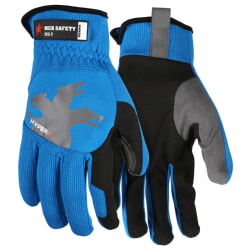
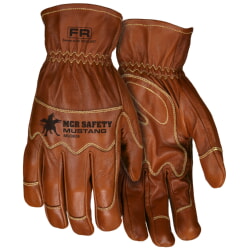
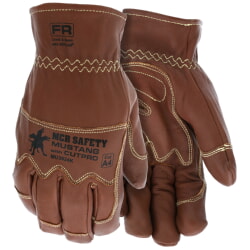
- Wear Protective Gear: Depending on the tool and task, wear the necessary PPE, such as gloves, safety glasses, or ear protection. This helps protect against cuts, flying debris, and excessive noise.
- Keep Your Workspace Organized: A cluttered workspace increases the likelihood of accidents. Keep tools organized and clear away any obstacles that could cause trips or falls.
- Work at a Steady Pace: Rushing through tasks increases the risk of mistakes and injuries. Take your time and focus on safety rather than speed.
- Educate and Train: Ensure that all users are properly trained in the correct use of hand tools. Understanding how to use tools safely is the first step in preventing injuries.
Pro Tip: Always follow the manufacturer’s tool use and maintenance instructions. Proper use and care extend the life of your tools and reduce the risk of injury.
3. Importance of Ergonomics in Preventing Injuries
Overview: Ergonomics is critical in preventing injuries, particularly those related to repetitive strain or improper tool use. Ergonomically designed tools are more comfortable to use and reduce the risk of long-term injuries.
Key Ergonomic Considerations:
- Tool Design: Choose tools with ergonomic handles that fit comfortably in your hand, reducing strain and improving control.
- Weight and Balance: Tools should be well-balanced and not too heavy, allowing you to work longer without fatigue.
- Vibration Control: Select models with vibration reduction features for power tools to minimize the risk of vibration-related injuries.
Pro Tip: If you use hand tools frequently, invest in ergonomically designed tools. They may be more expensive, but they can significantly reduce the risk of injury and increase your productivity.
4. Responding to Hand Tool Injuries
Overview: Despite best efforts, accidents can still happen. Knowing how to respond to a hand tool injury can minimize the damage and speed up recovery.
Immediate Actions:
- Stop the Bleeding: Apply pressure to cuts or lacerations to stop the bleeding. Elevate the injury if possible.
- Clean the Wound: For minor injuries, clean the wound with water and apply an antiseptic. Cover with a clean bandage.
- Seek Medical Attention: For more severe injuries, such as deep cuts, puncture wounds, or fractures, seek medical attention immediately.
- Report the Incident: If the injury occurred at work, report it to your supervisor and ensure it is documented.
- Review Safety Procedures: After an injury, review your safety procedures and tool use practices to prevent future accidents.
Pro Tip: Keep a well-stocked first aid kit in your workspace and ensure that all workers know how to use it in case of an emergency.
Conclusion
Preventing Common Injuries with Hand Tools: Safety should always be the top priority when using hand tools. Understanding the common types of injuries and following the tips provided can significantly reduce the risk of accidents. Whether you’re a professional or a DIY enthusiast, using tools safely will protect your health and ensure your projects are completed successfully.
Explore More: At Abolox, we offer a wide range of high-quality hand tools designed with safety and ergonomics in mind. Visit our hand tools collection to find the perfect tools for your next project.
Tagged Products