Logo200.png)
Introduction
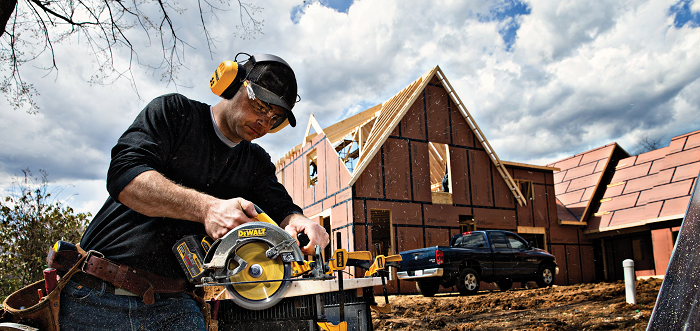
Eye protection should be a top priority when it comes to safety in the workplace or during DIY projects. Unfortunately, many people underestimate the importance of safety glasses, leading to unnecessary injuries. Whether you're using power tools, hand tools, or even performing basic tasks, wearing safety glasses is essential for protecting your eyes from potential hazards.
In this guide, we’ll explore why safety glasses are a must with every tool, the risks they mitigate, and how to choose the right pair for your needs.
1. The Importance of Eye Protection
Overview: The eyes are among the body's most vulnerable parts, and even a minor injury can result in severe damage or permanent vision loss. Safety glasses act as a critical barrier against various hazards, ensuring your eyes remain protected during any task.
Key Risks:
- Flying Debris: When using tools like saws, drills, or grinders, small particles can fly off at high speeds, posing a serious risk to your eyes.
- Chemical Splashes: Handling chemicals, whether in a lab or during household cleaning, can result in harmful splashes that can cause eye irritation or burns.
- Dust and Particles: Sanding, grinding, or cutting materials like wood, metal, or concrete can generate fine dust that irritates or damages the eyes.
- Radiation and Glare: Tools that emit intense light, such as welding equipment, can cause eye strain and long-term damage without proper protection.
Pro Tip: Always wear safety glasses even if the task seems minor. Accidents can happen unexpectedly, and proper protection can make all the difference.
2. How Safety Glasses Protect Your Eyes
Overview: Safety glasses are designed to provide comprehensive protection against various hazards, ensuring your eyes remain safe and injury-free. They are built to withstand impact, resist scratches, and offer a clear field of vision.
Key Features:
- Impact Resistance: Safety glasses are made from materials like polycarbonate, which is highly impact-resistant and can withstand flying debris and particles.
- Wraparound Design: Many safety glasses feature a wraparound design that provides side protection, preventing particles from reaching the eyes from the sides.
- Anti-Scratch Coating: High-quality safety glasses come with an anti-scratch coating, ensuring that your vision remains clear even in tough working conditions.
- UV Protection: Some safety glasses are designed to block harmful UV rays, making them suitable for outdoor work or tasks involving exposure to intense light.
Pro Tip: Choose safety glasses that are comfortable and fit securely. If they’re uncomfortable or keep slipping, you’re less likely to wear them consistently.
3. When to Wear Safety Glasses
Overview: Safety glasses should be worn during any task where there is a risk of eye injury. This includes both professional and DIY activities, whether indoors or outdoors.
Key Situations:
- Using Power Tools: Always wear safety glasses when using drills, saws, grinders, or other power tools that generate debris or particles.
- Chemical Handling: When working with chemicals, even common household cleaners, safety glasses are essential to prevent splashes from reaching your eyes.
- Outdoor Work: Tasks like mowing the lawn, trimming hedges, or using leaf blowers can result in flying debris, making eye protection necessary.
- Welding and Cutting: Intense light and sparks from welding or cutting tools require specialized safety glasses or goggles designed to block harmful radiation.
Pro Tip: Make it a habit to reach for your safety glasses before starting any task that involves tools or chemicals. Keeping them within easy reach will ensure you always remember to wear them.
4. Choosing the Right Safety Glasses
Overview: Not all safety glasses are created equal, and selecting the right pair for your needs is crucial for effective protection. Consider factors like comfort, durability, and the specific hazards you’ll face.
Key Considerations:
- Fit and Comfort: Safety glasses should fit snugly but comfortably, without pressing too hard on the nose or ears. Adjustable features can help achieve a better fit.
- Lens Type: Choose lenses based on your specific needs—clear lenses for general use, tinted lenses for outdoor work, or specialized lenses for welding.
- Certification: Ensure that the safety glasses meet ANSI Z87.1 standards, which indicate that they’ve been tested for impact resistance and safety.
- Anti-Fog and Ventilation: For tasks that involve heat or humidity, look for glasses with anti-fog coatings and proper ventilation to prevent lenses from fogging up.
Pro Tip: If you wear prescription glasses, consider getting prescription safety glasses or glasses that fit over your regular eyewear.
Conclusion
Why Safety Glasses Are a Must with Every Tool: Eye protection is non-negotiable when it comes to working with tools or handling hazardous materials. Safety glasses are a simple yet effective way to prevent serious eye injuries and ensure that you can work confidently and safely. Whether you’re a professional or a DIY enthusiast, always prioritize eye safety by wearing the right safety glasses for the job.
Explore More: At Abolox, we offer a wide range of safety glasses designed to meet various needs and provide top-notch protection. Visit our eye protection collection to find the perfect pair for your next project.
Tagged Products
![Radians BG1-11 Barricade Anti Fog Safety Goggles Clear Anti-Fog [10 PACK]](assets/images/_radians/thumbnails/Radians_BG1-11_thumb.jpg)

![Radians SE1-21 Serrator Safety Glasses with Soft Rubber Nosepiece Smoke Anti-Fog Lens [12 PACK]](assets/images/_radians/thumbnails/Radians_SE1-21_thumb.jpg)
![Radians SE1-40 Serrator Safety Glasses with Soft Rubber Nosepiece Amber Lens [12 PACK]](assets/images/_radians/thumbnails/Radians_SE1-40_thumb.jpg)
